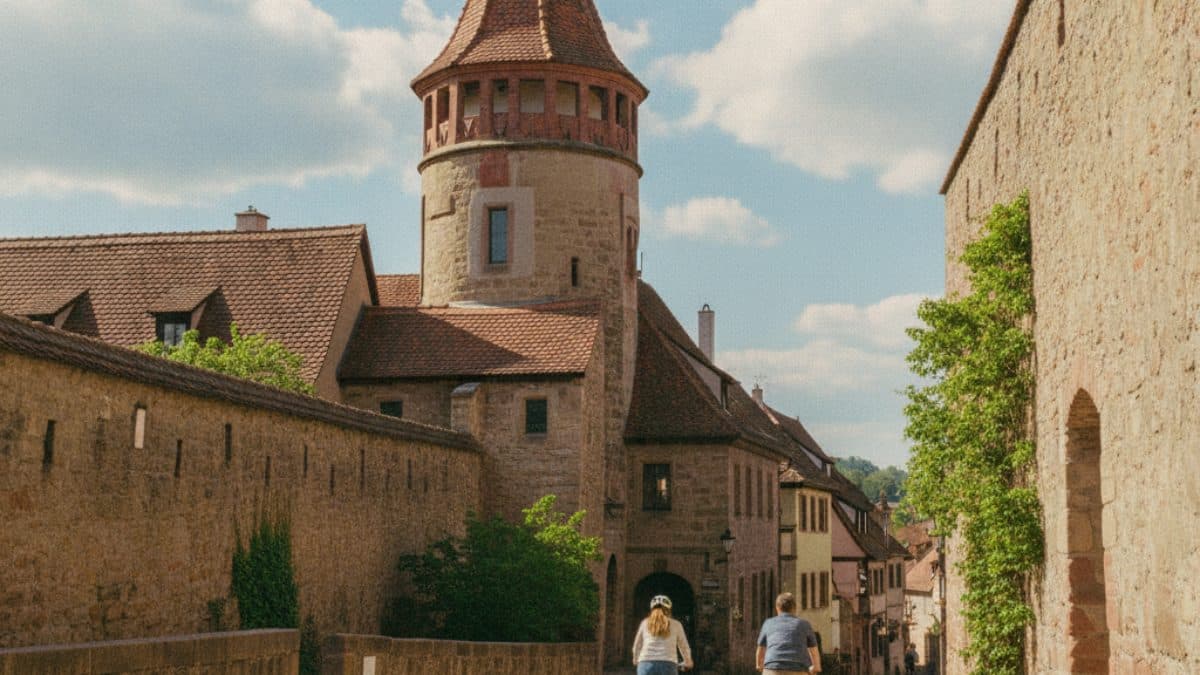
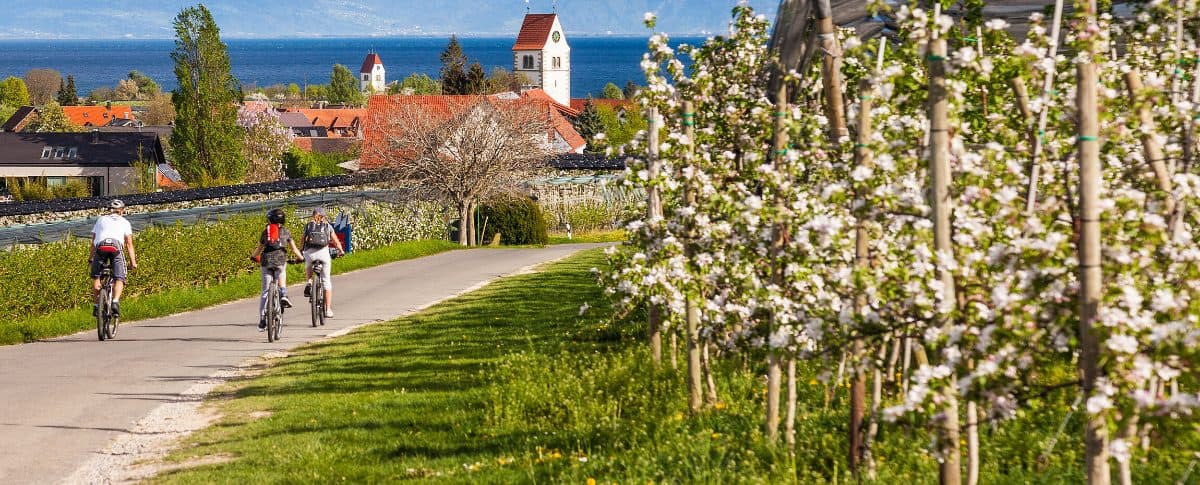
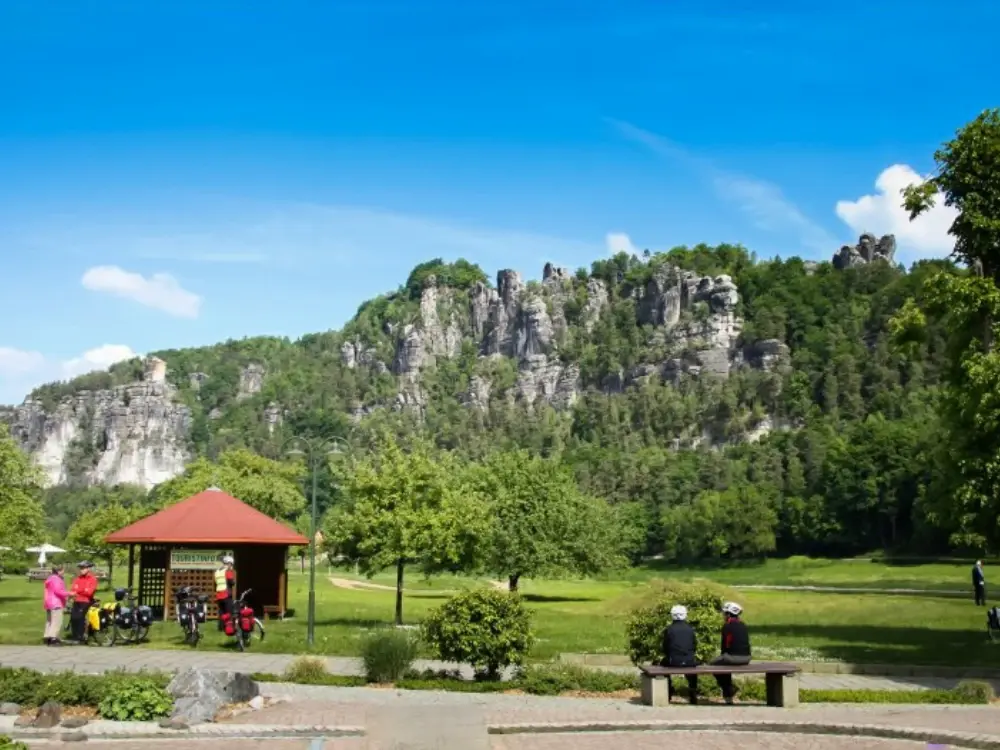
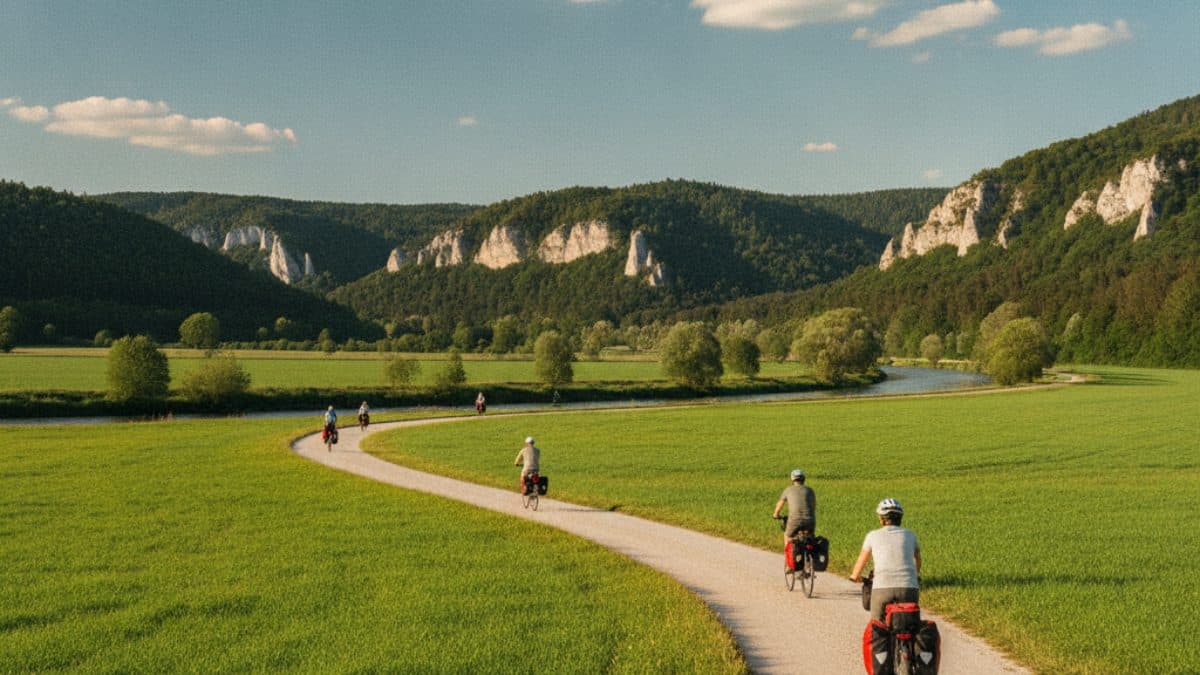
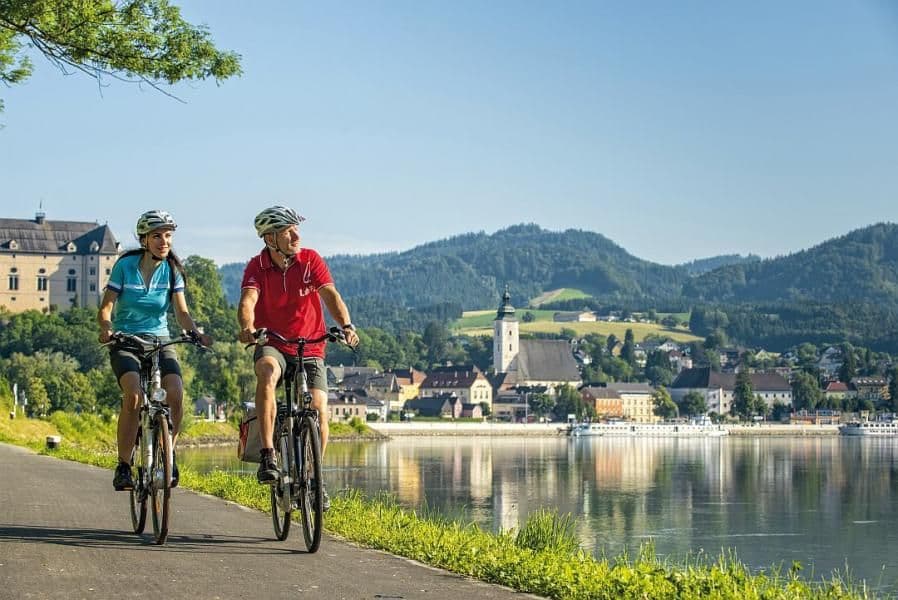
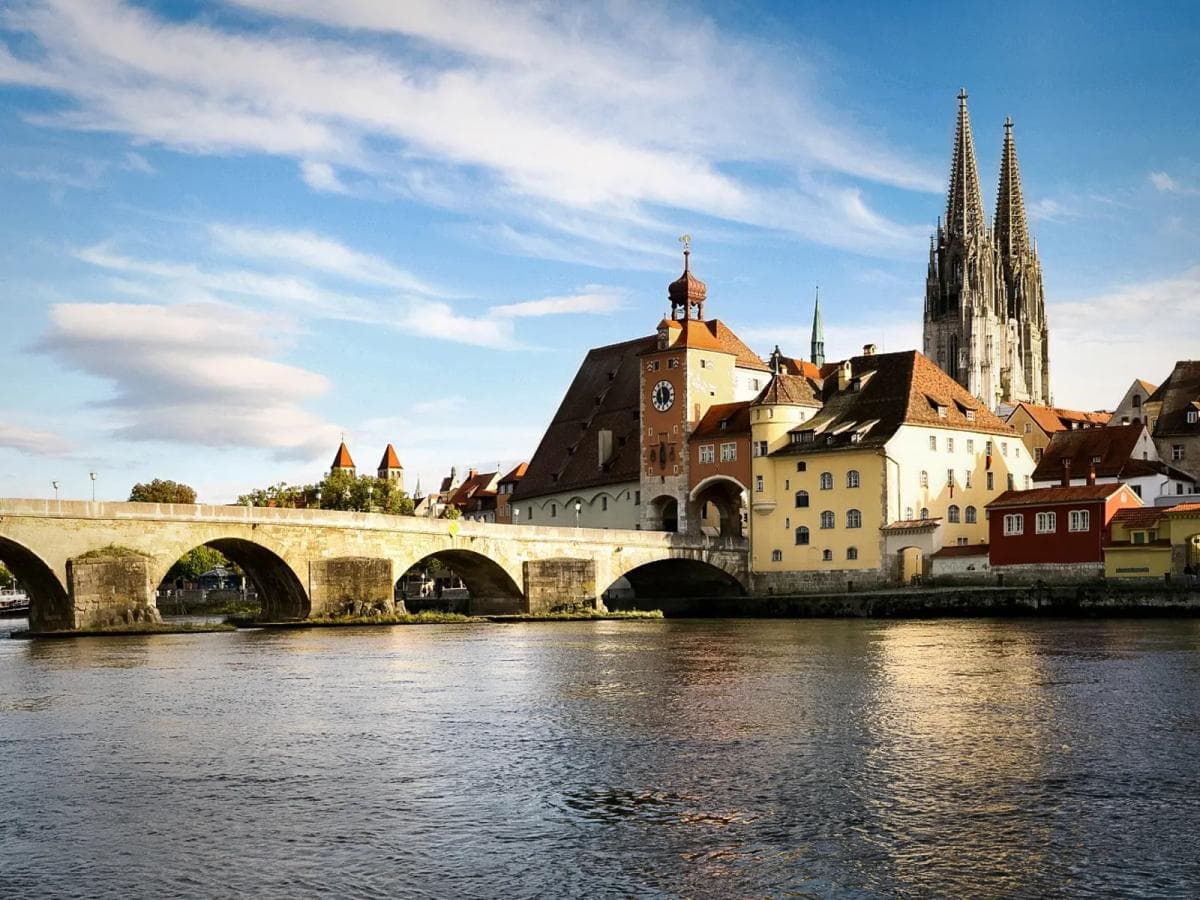
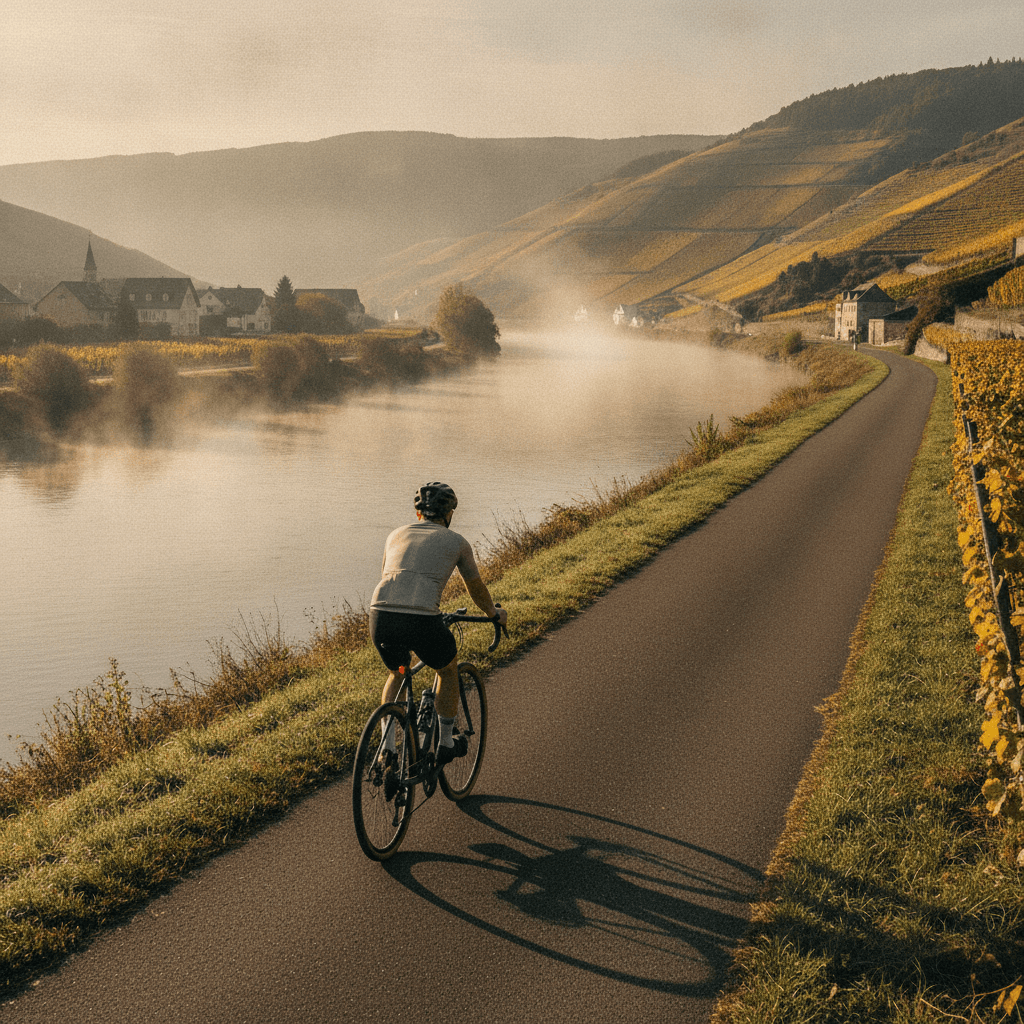
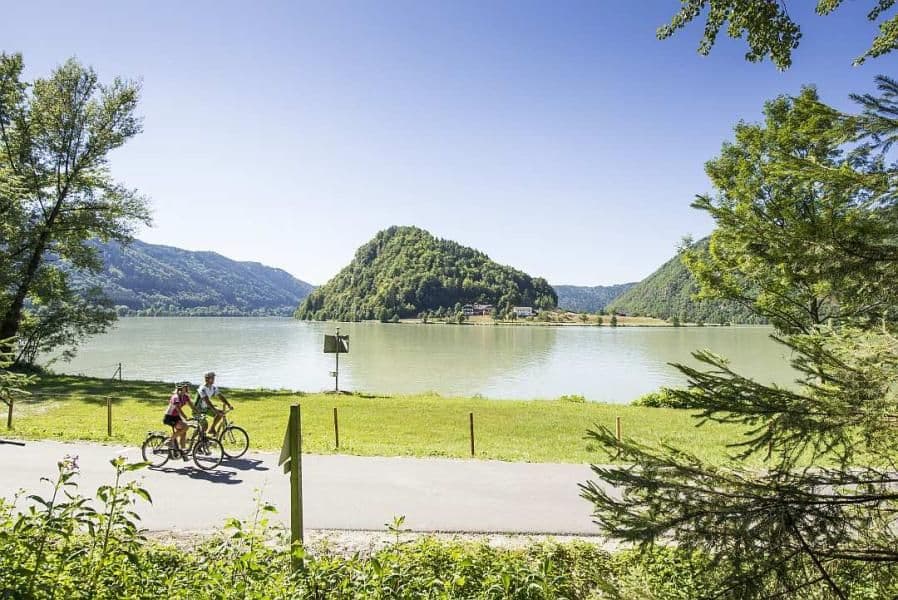
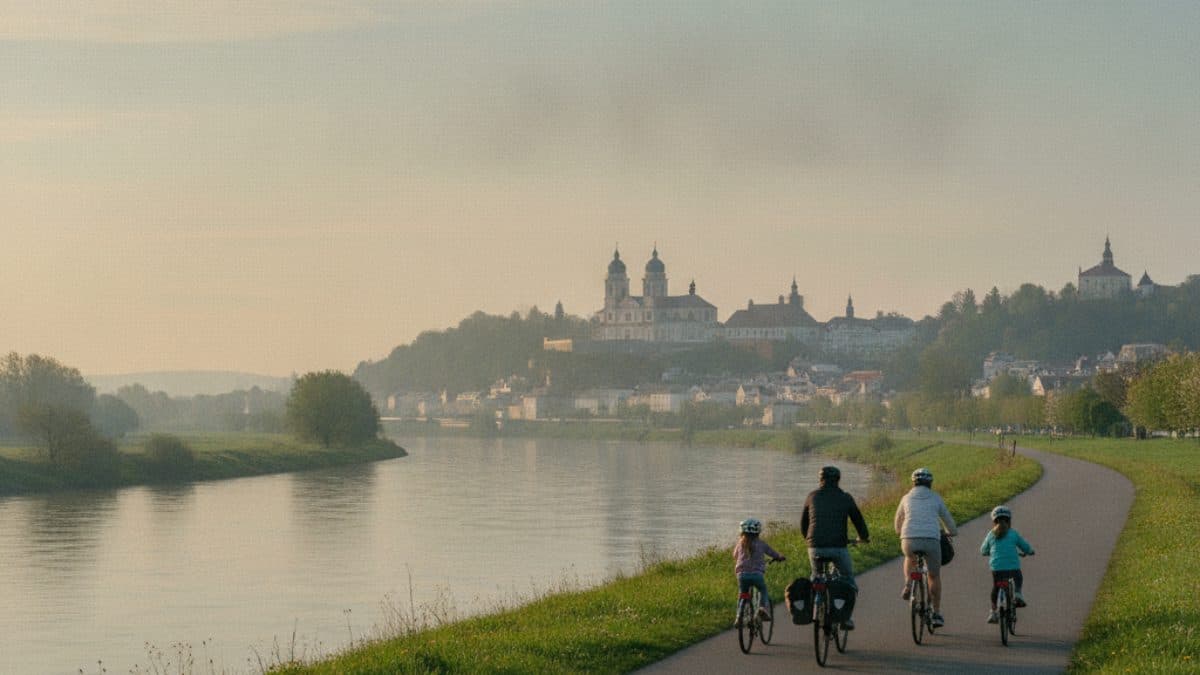
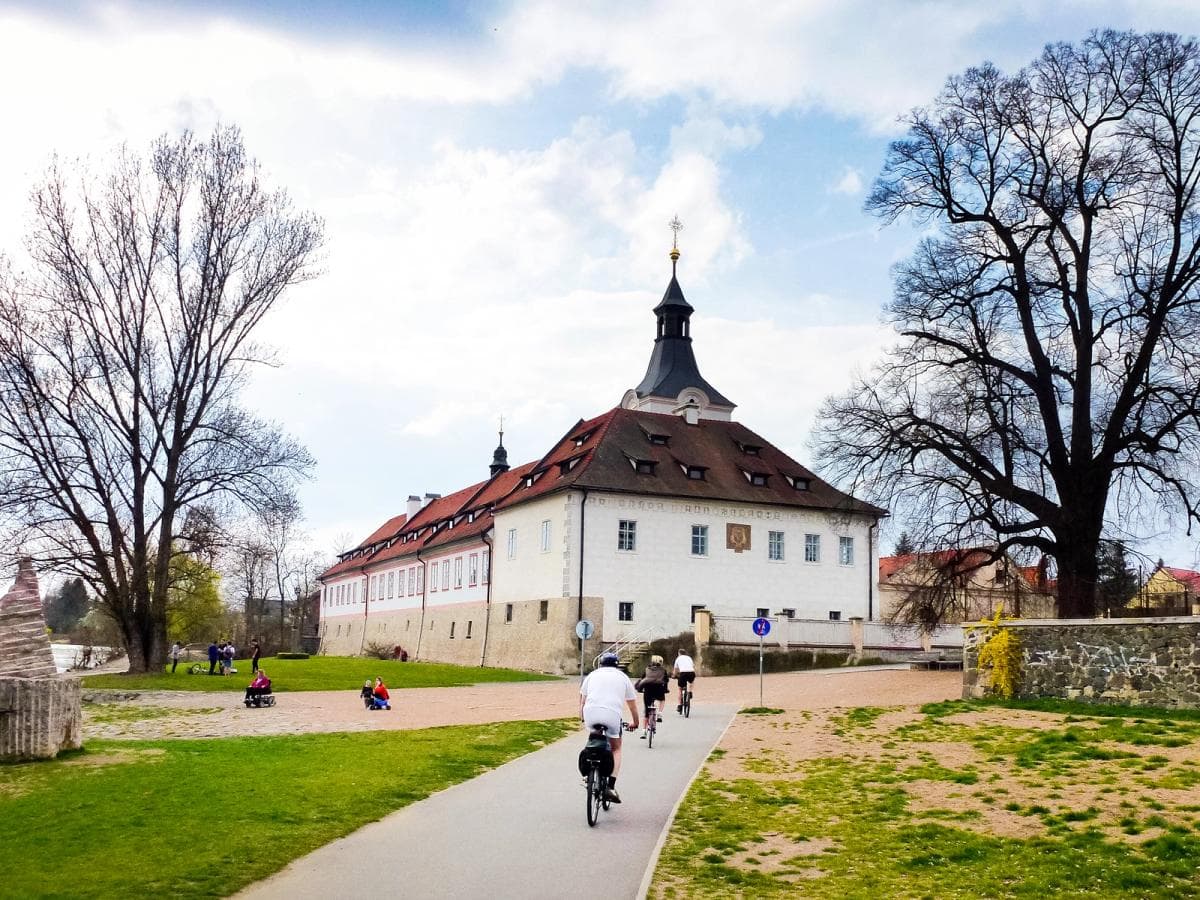
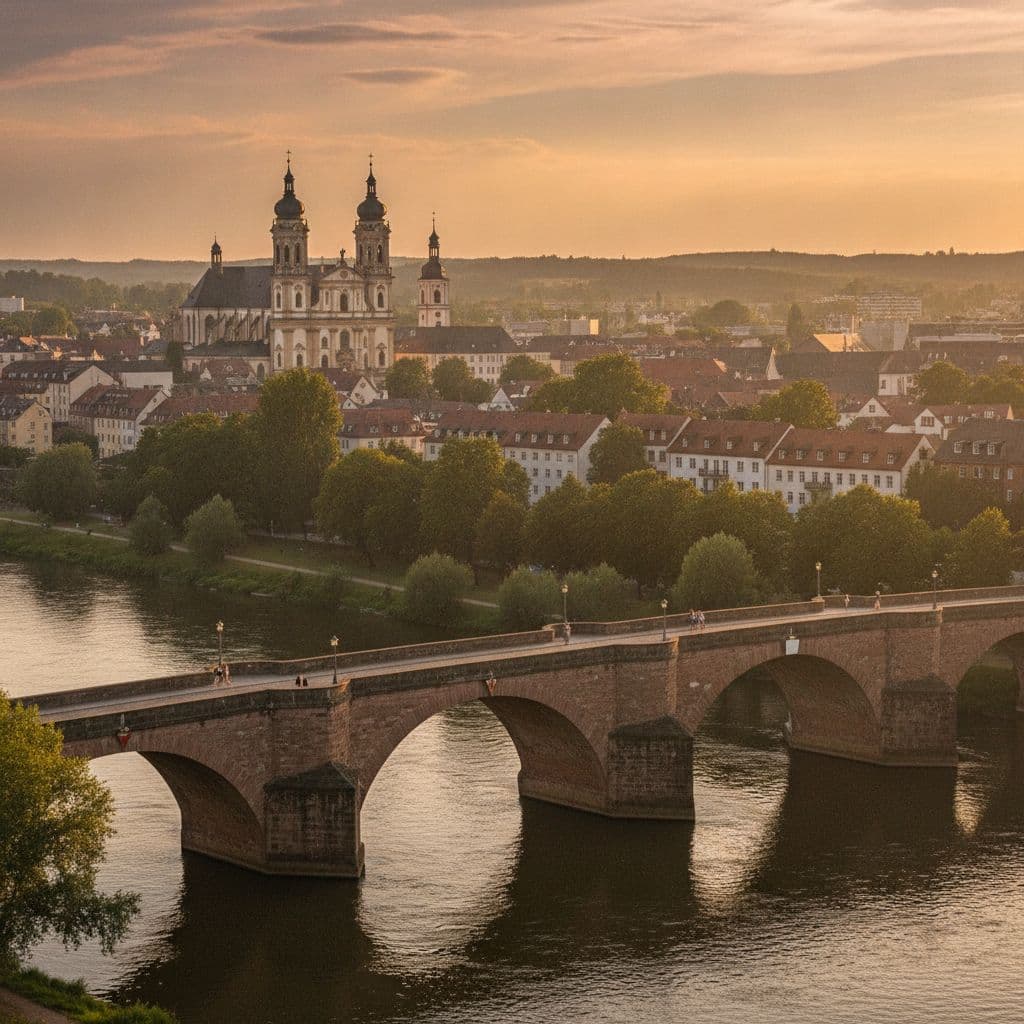
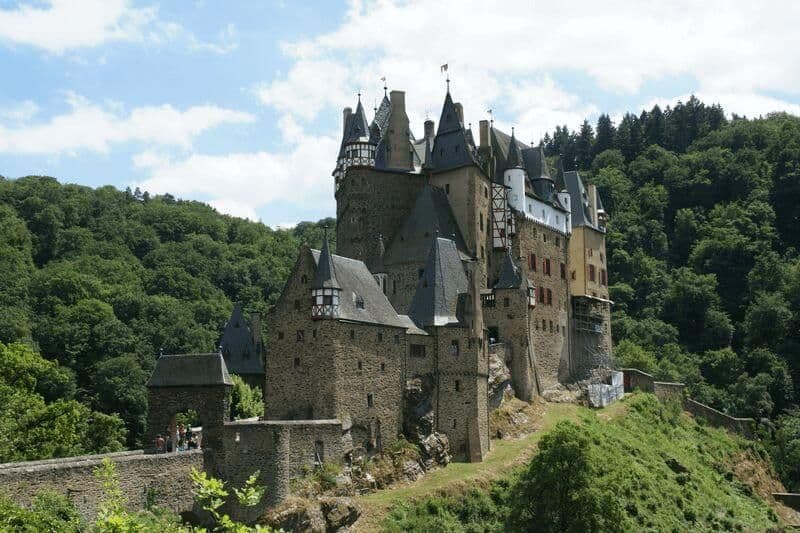
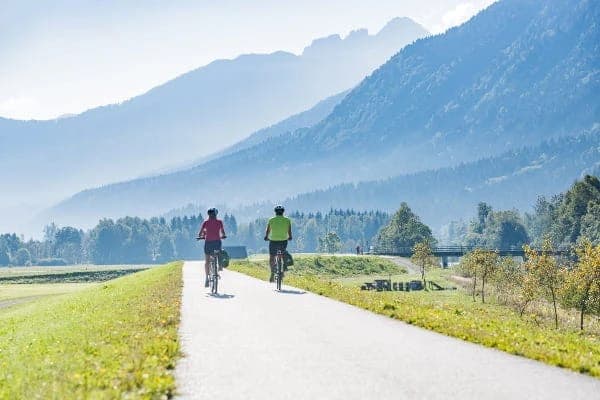
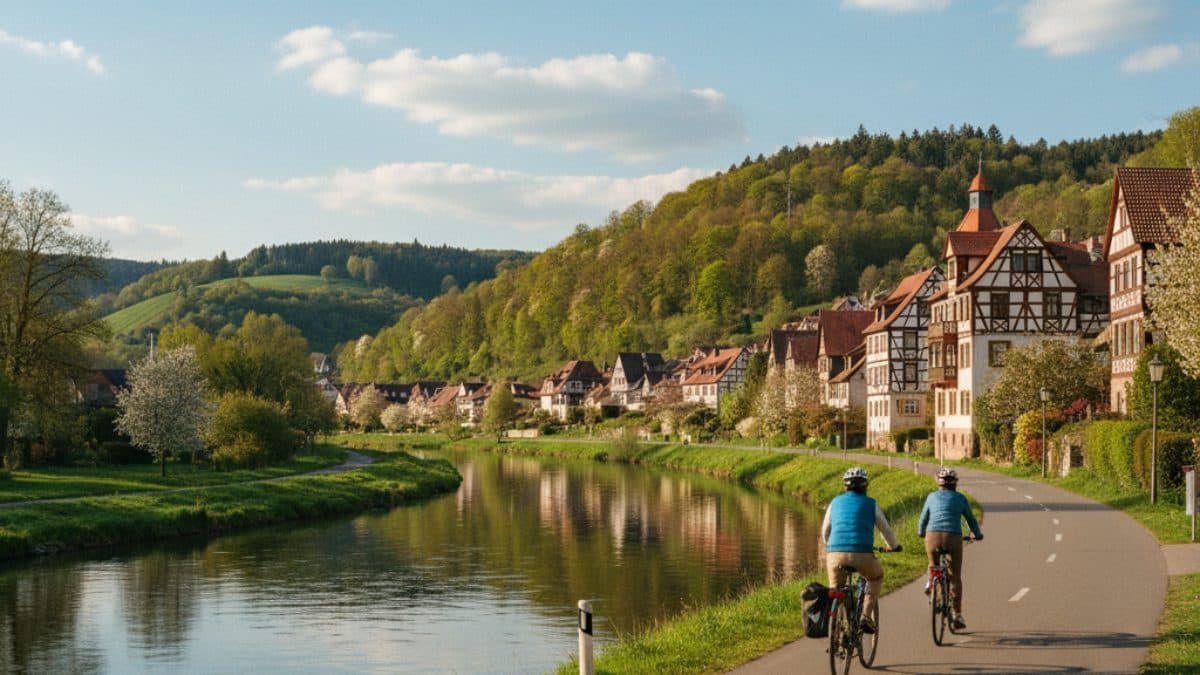
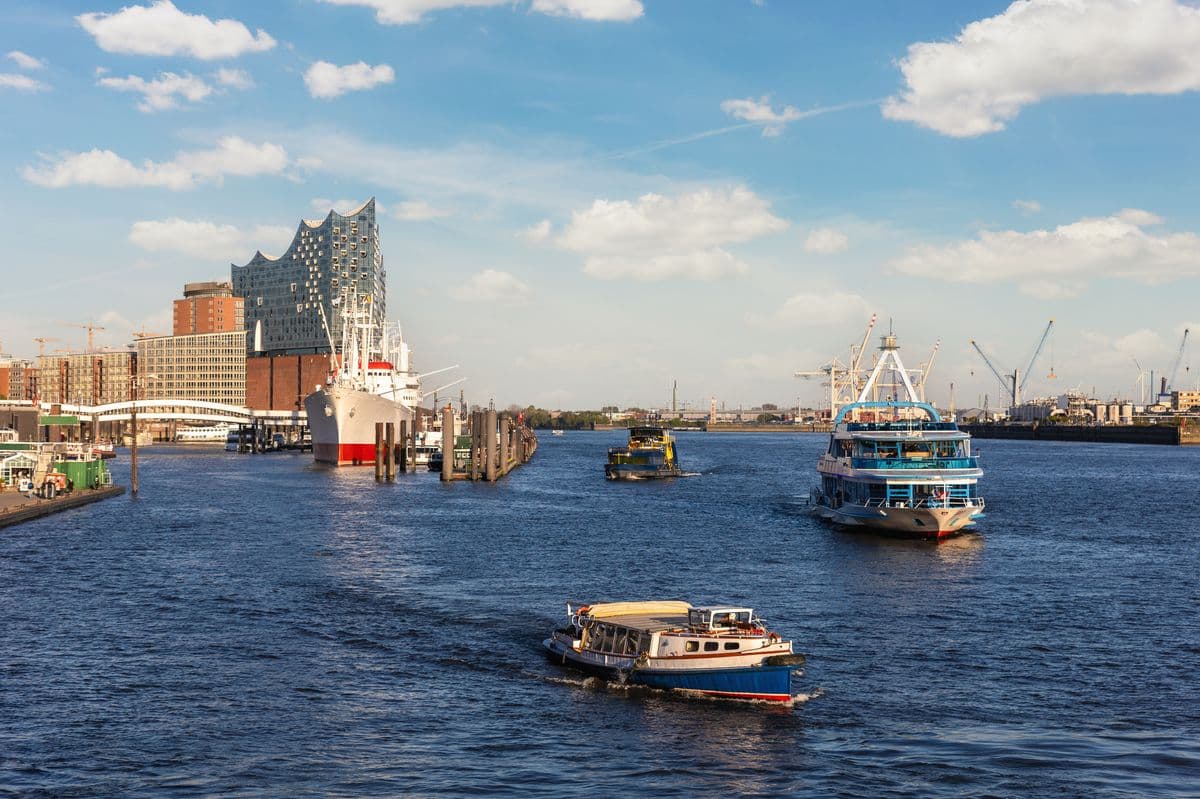
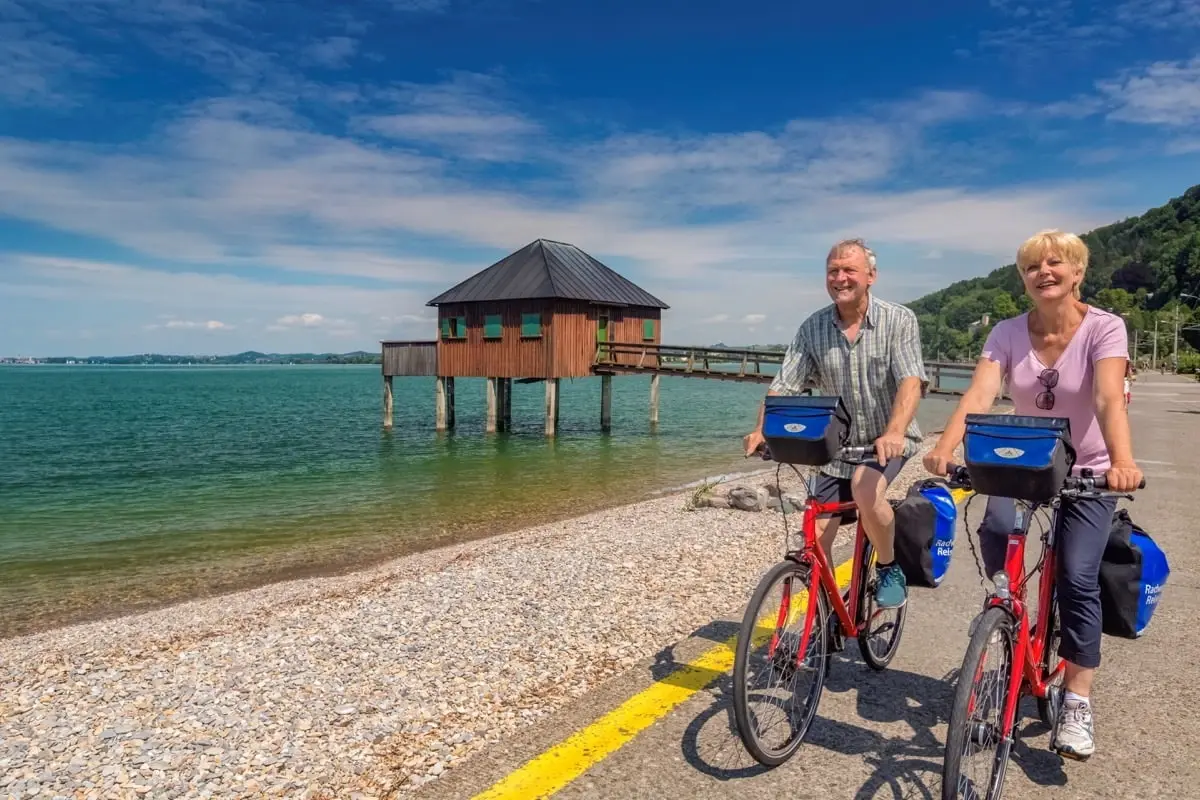
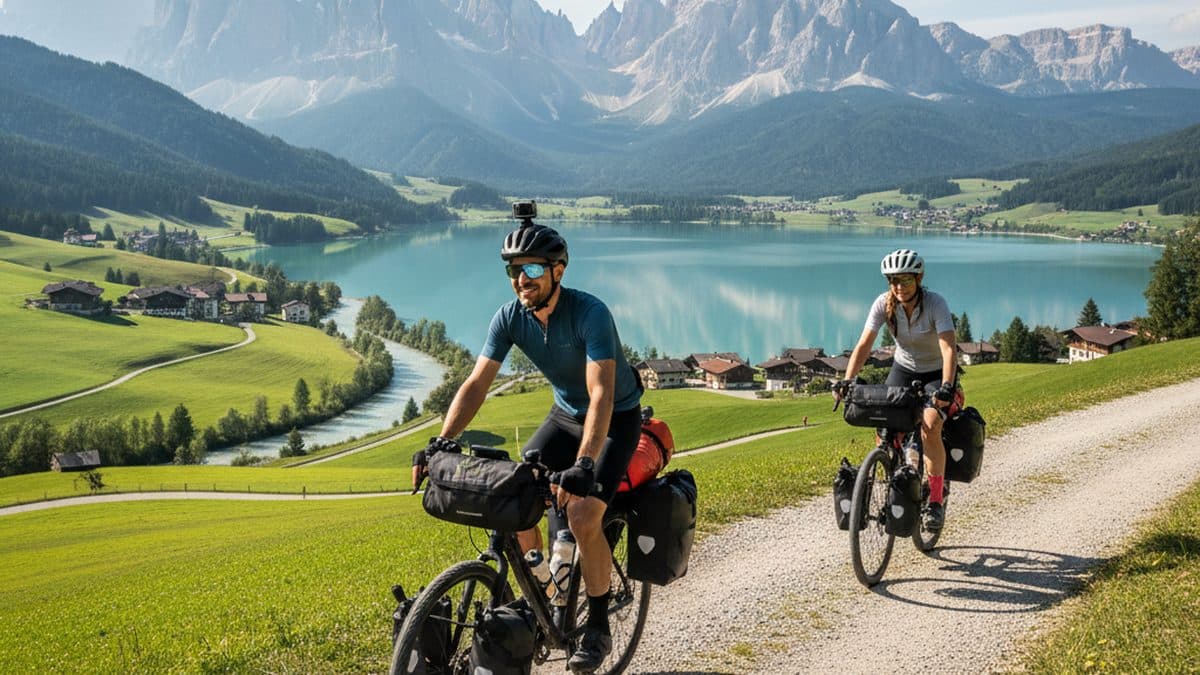
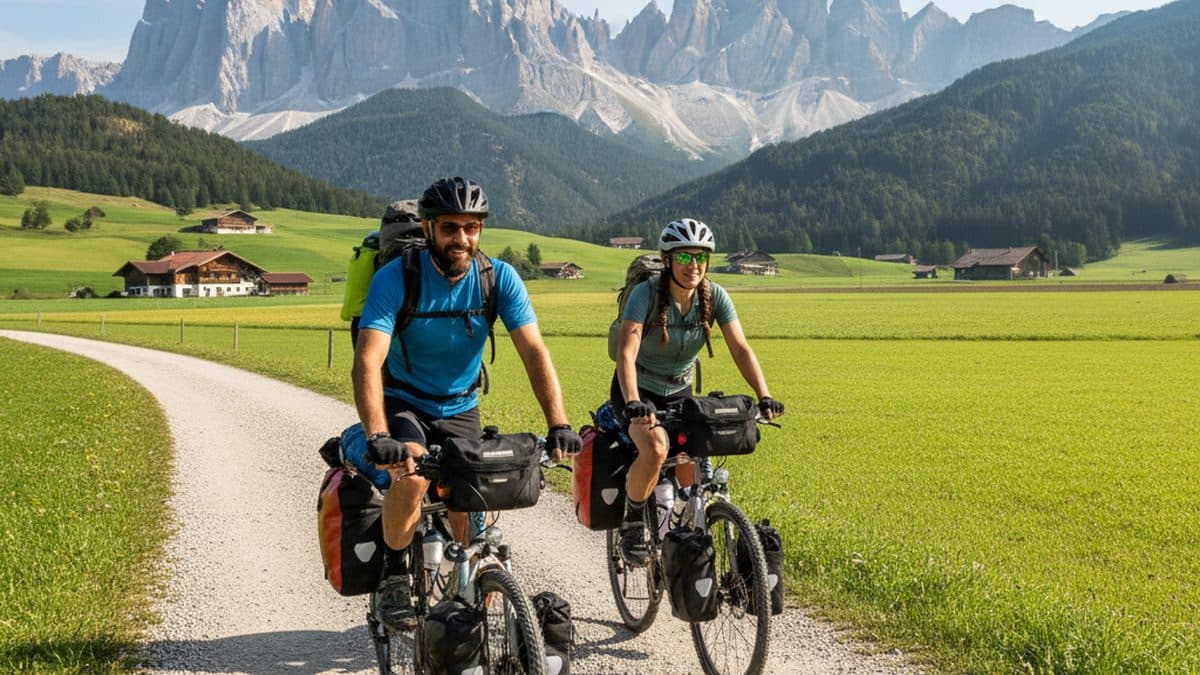
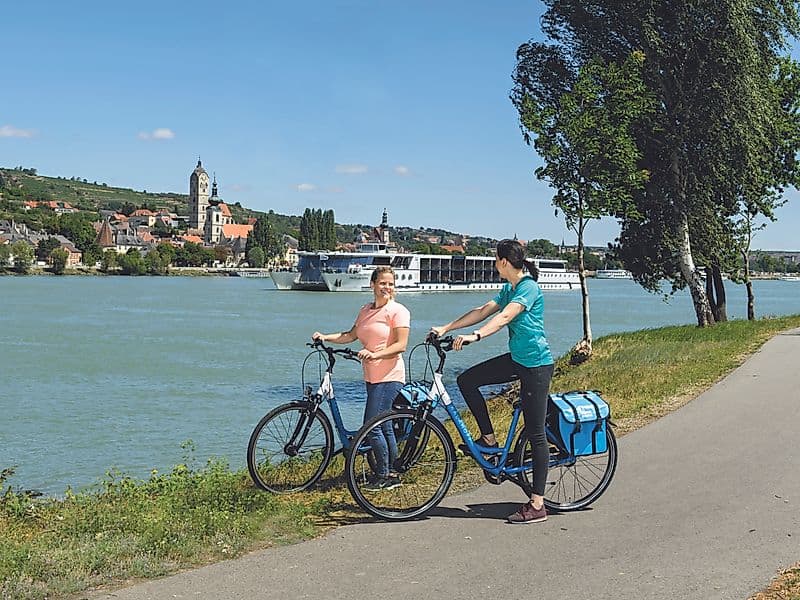
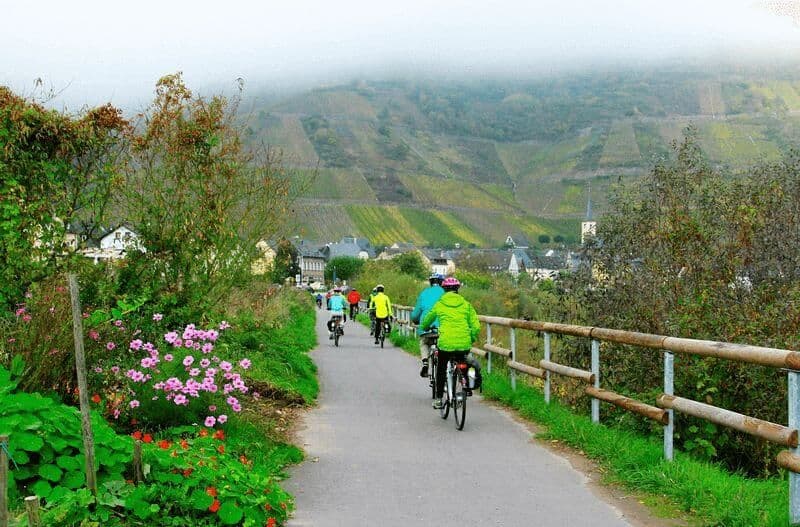
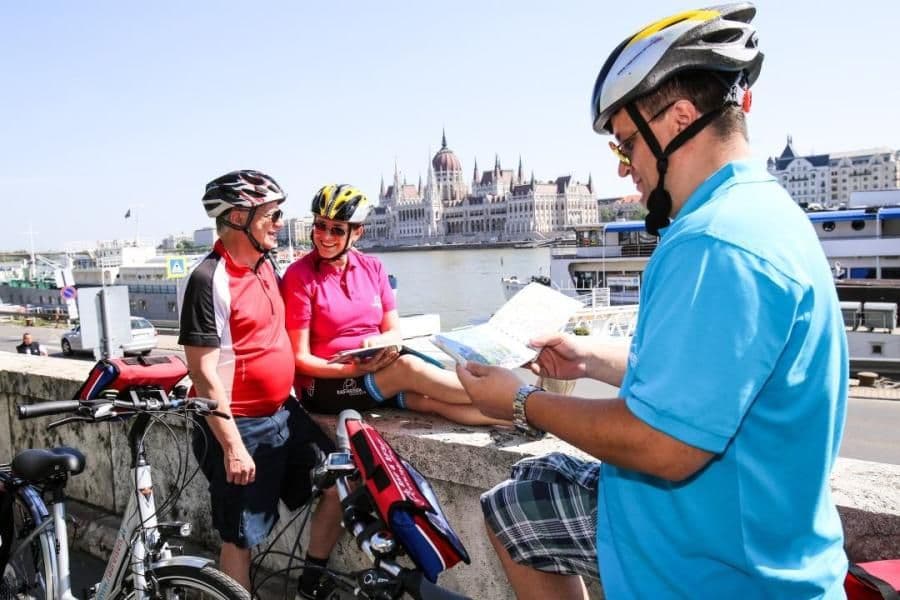
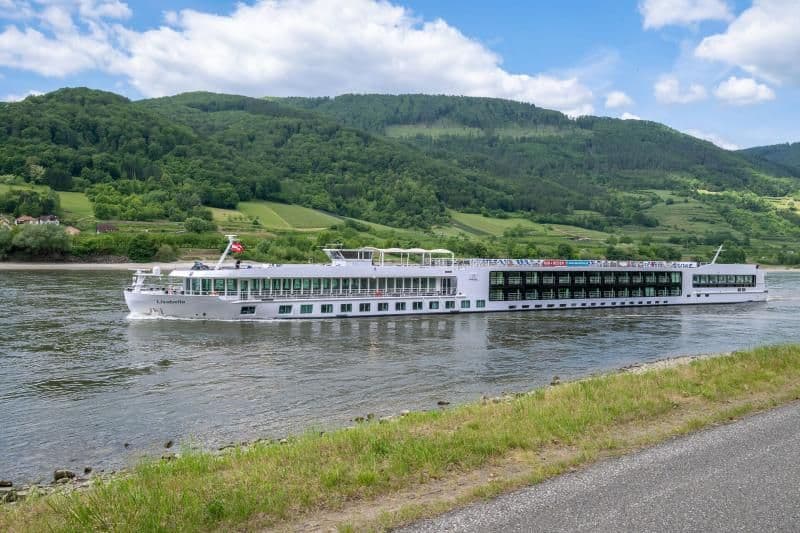
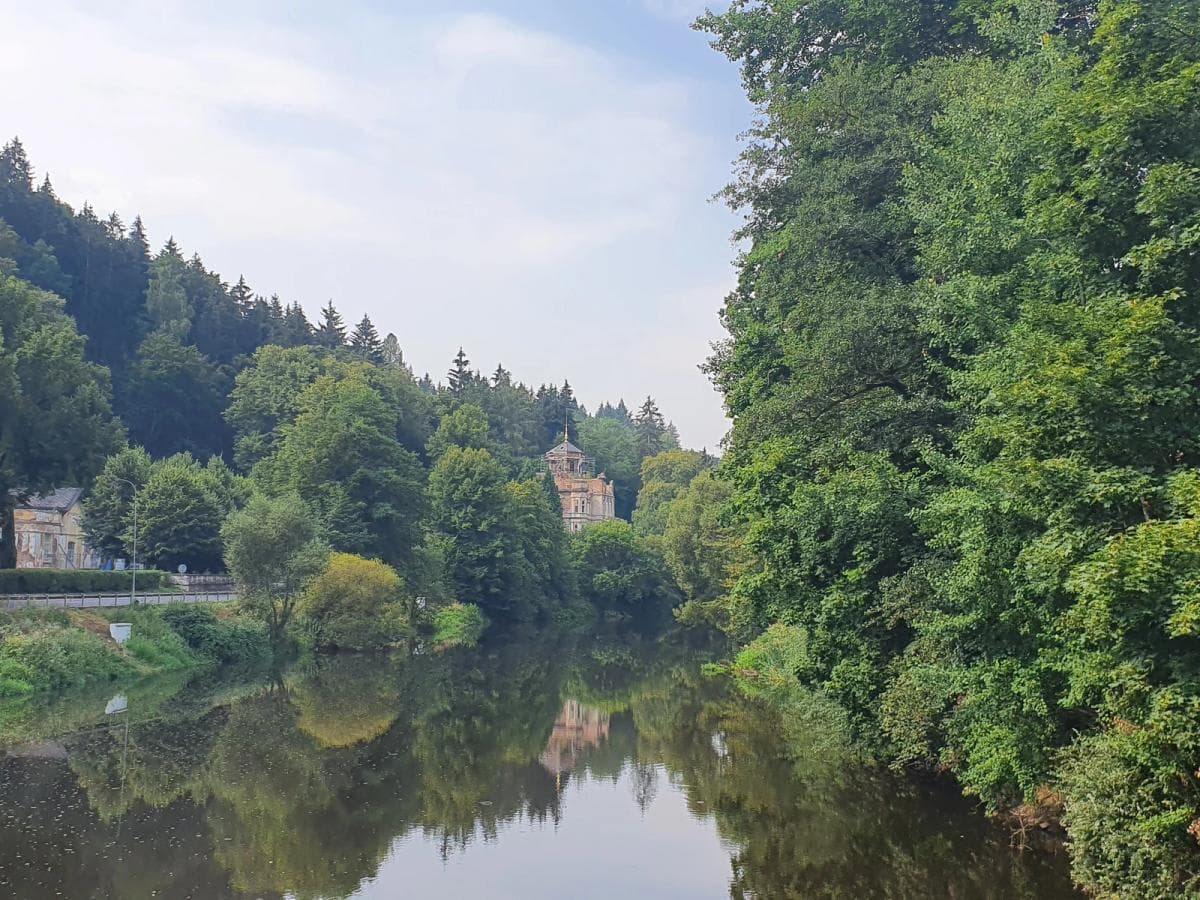
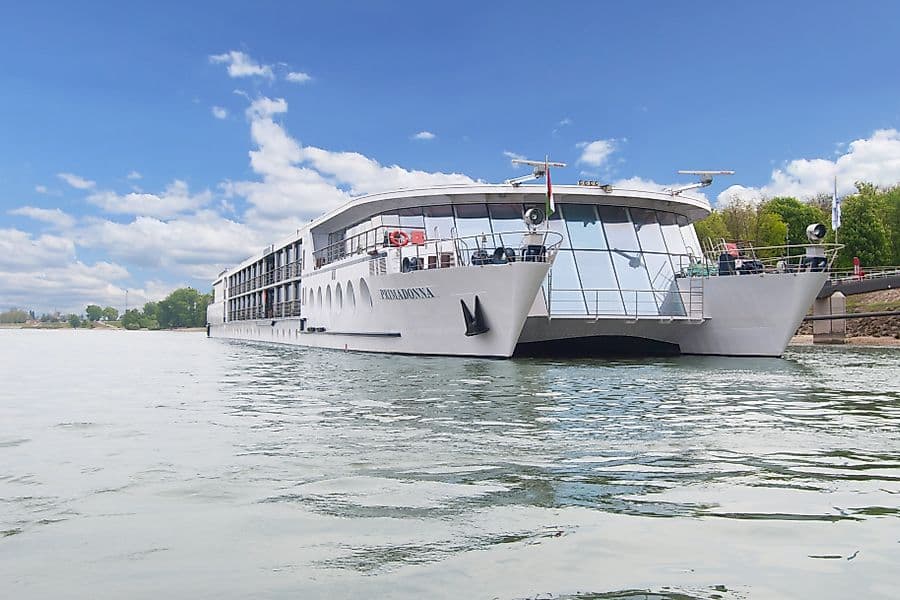
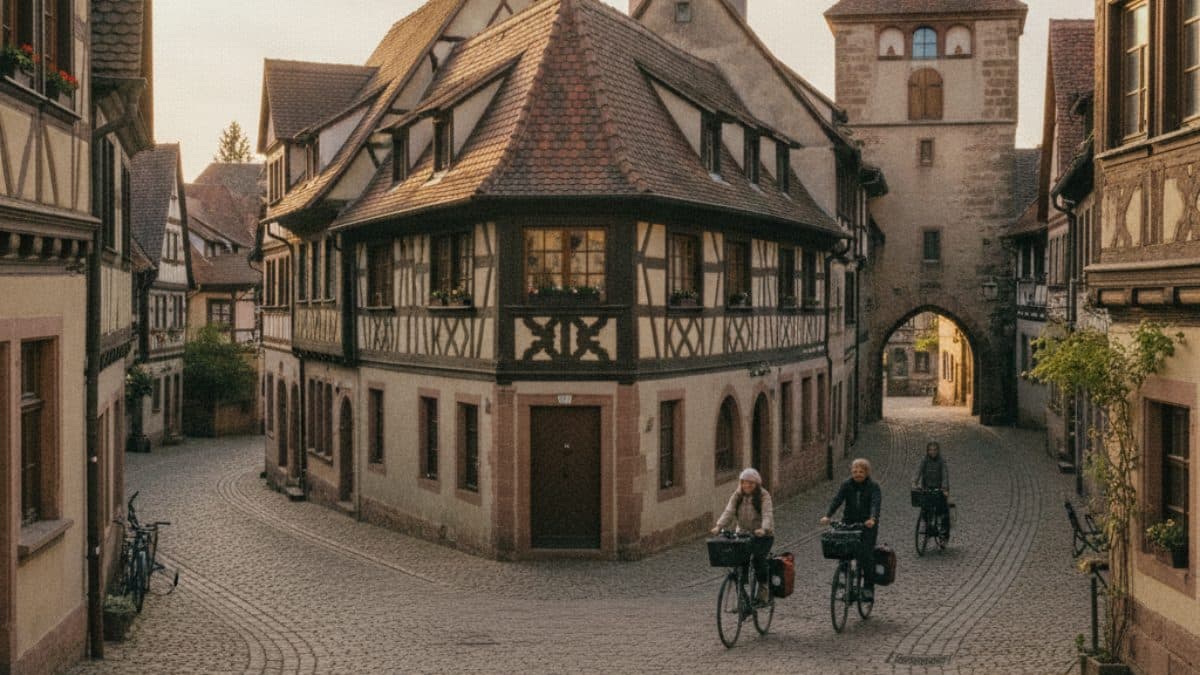
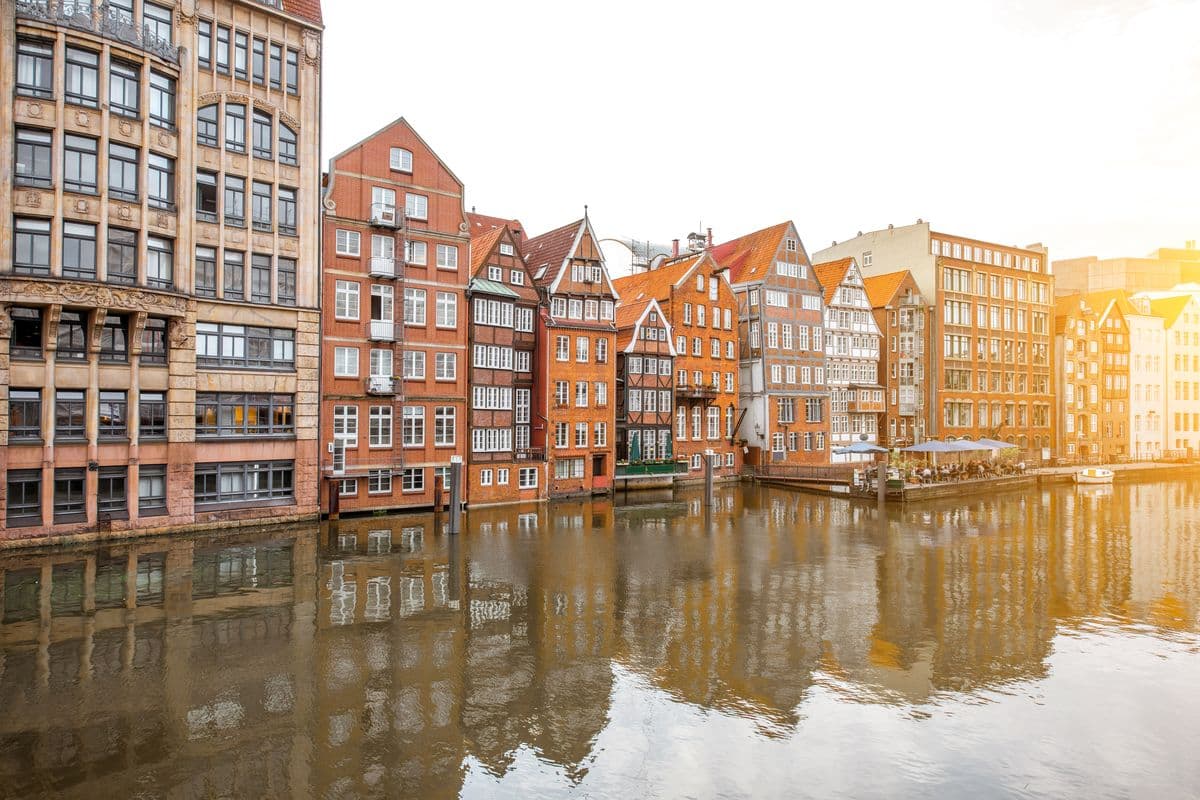
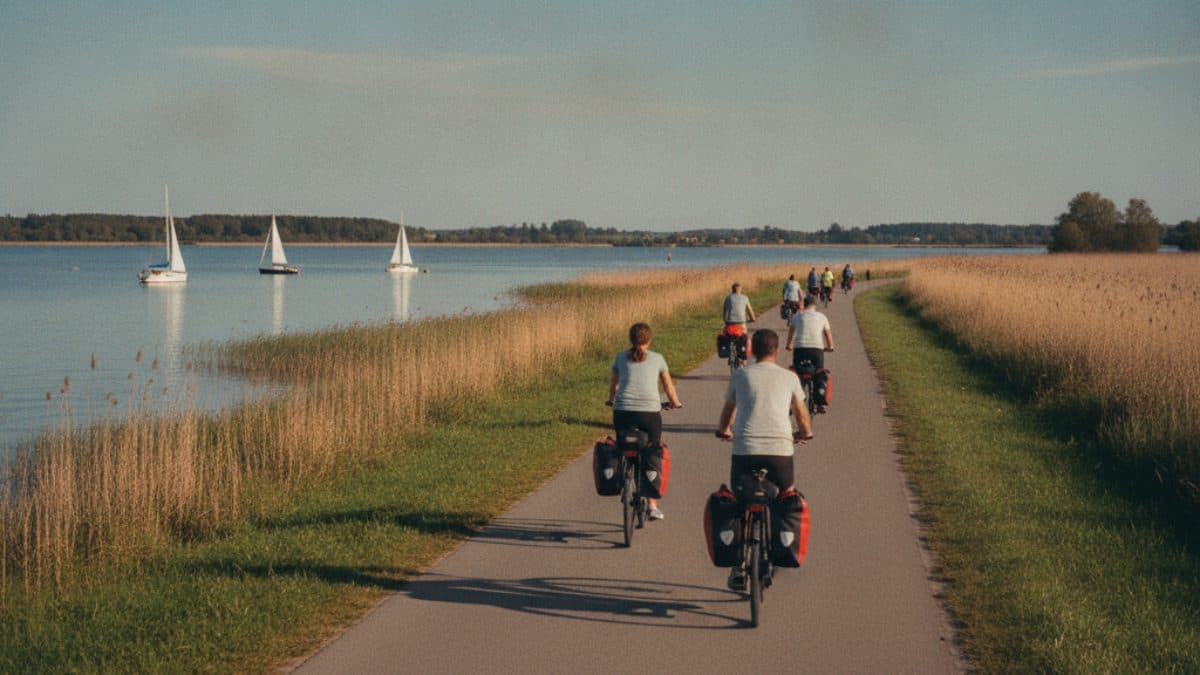
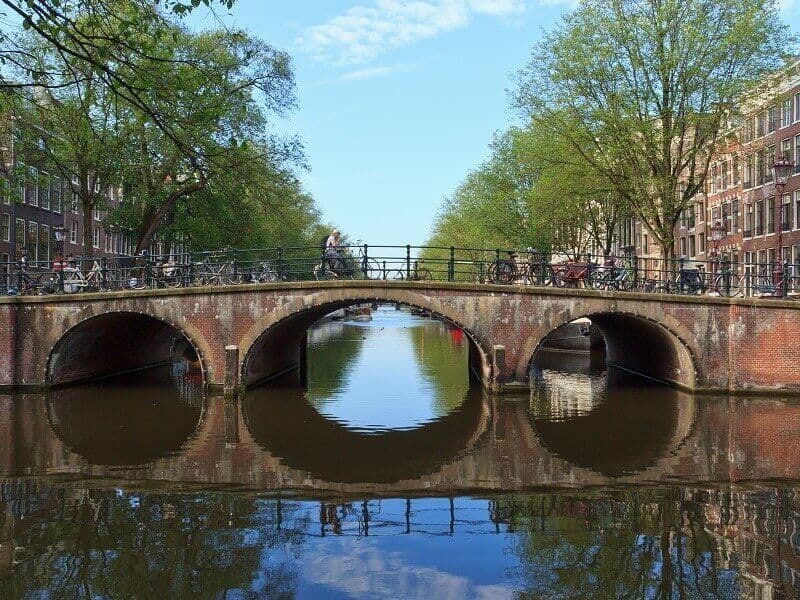
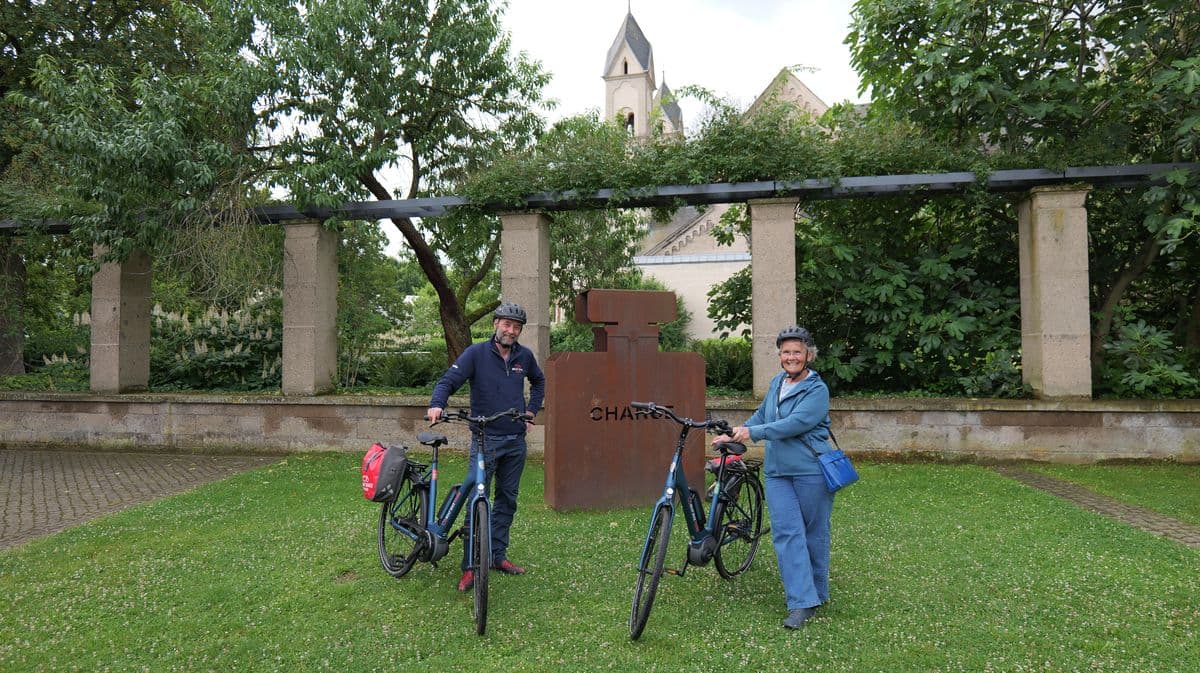
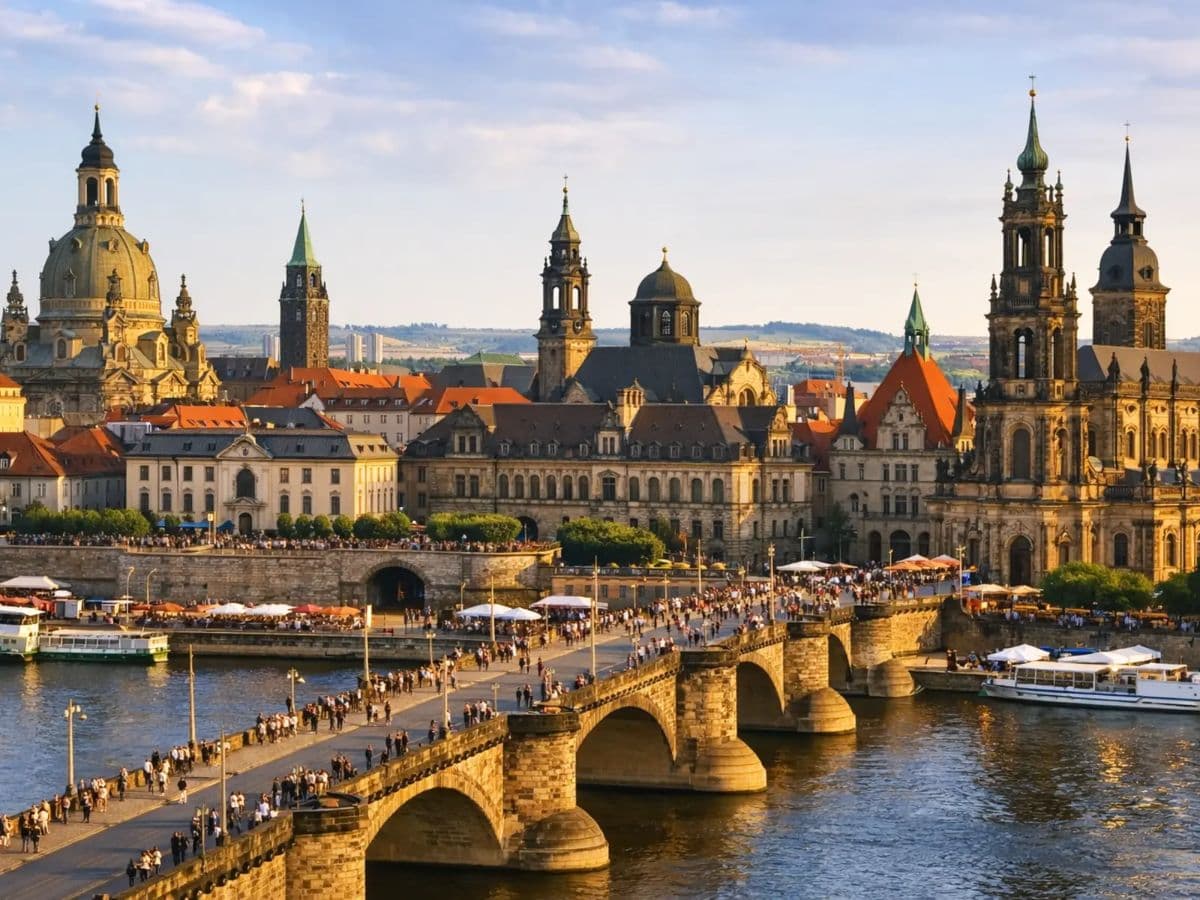
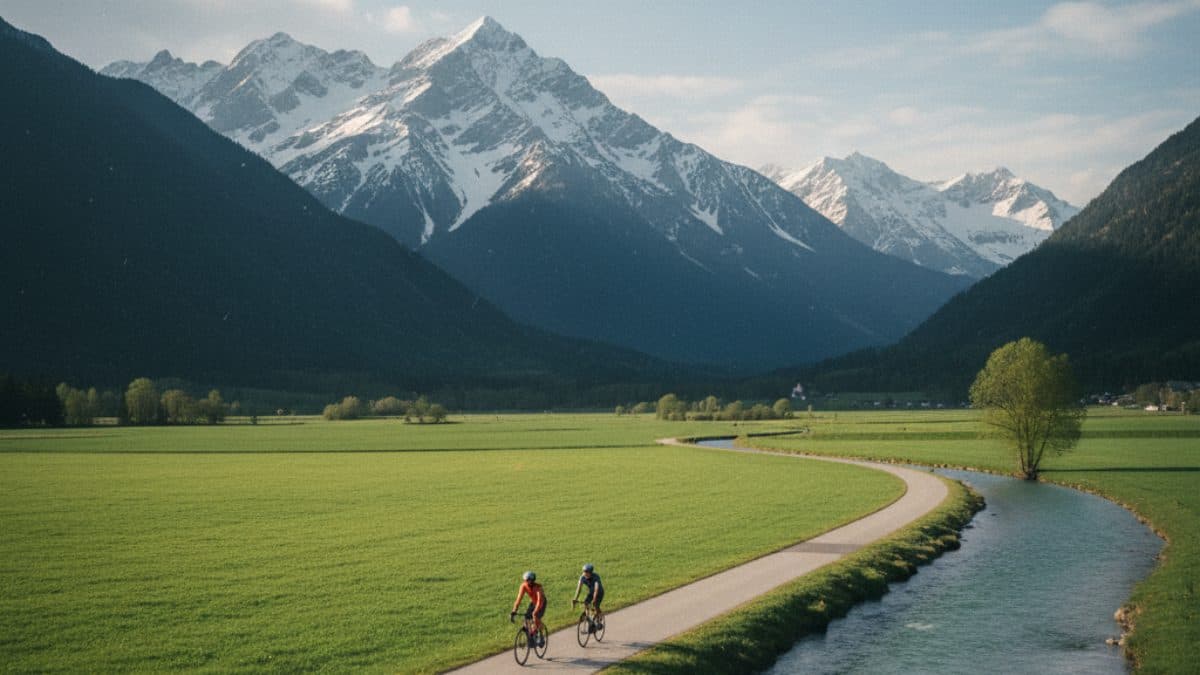
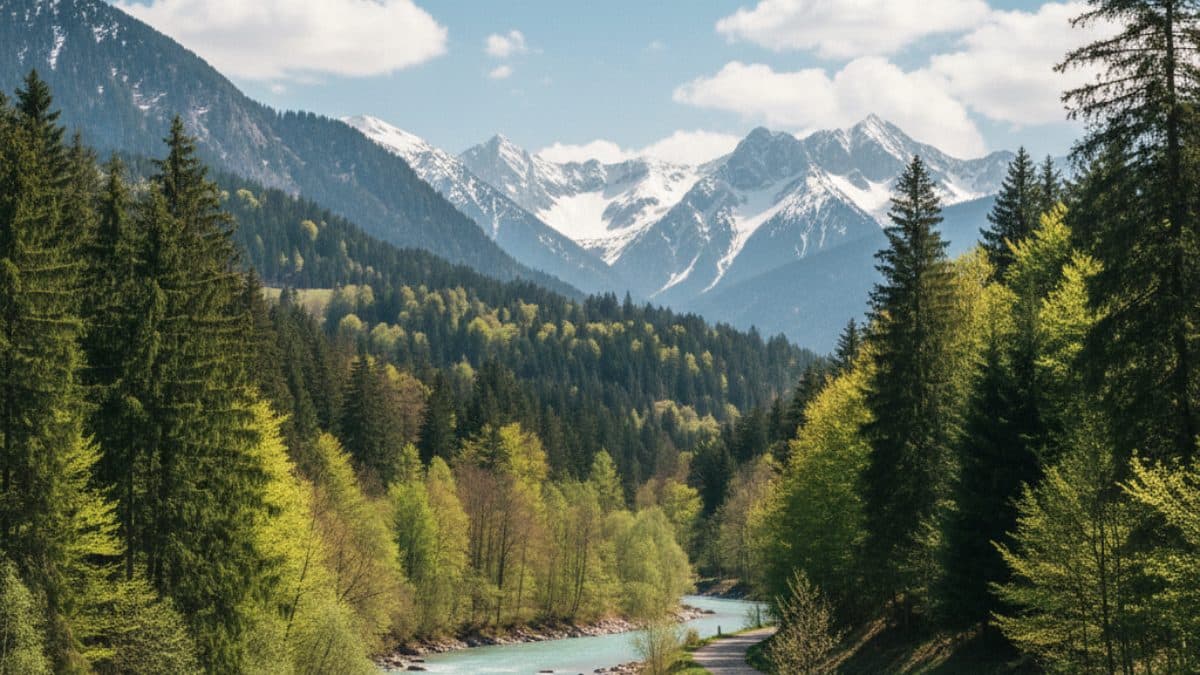
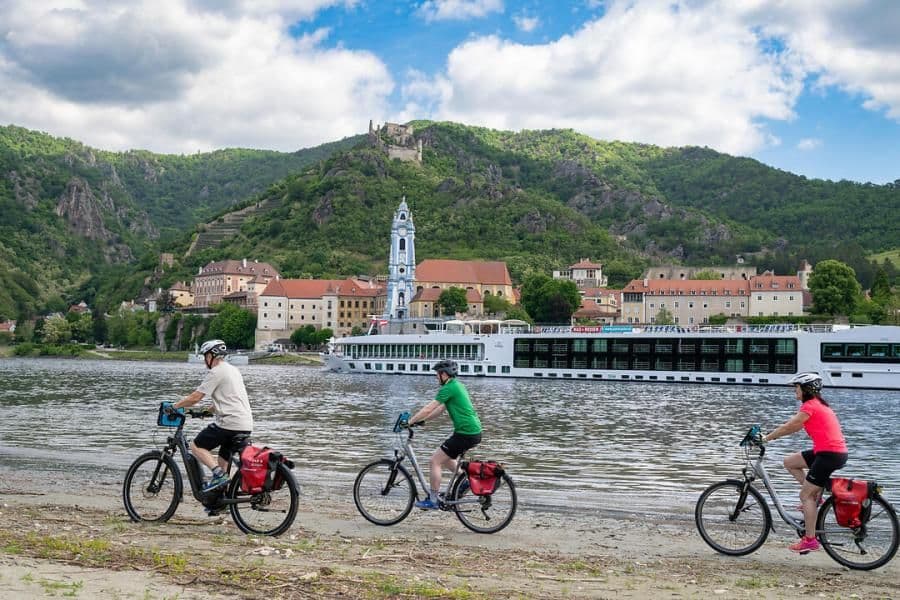
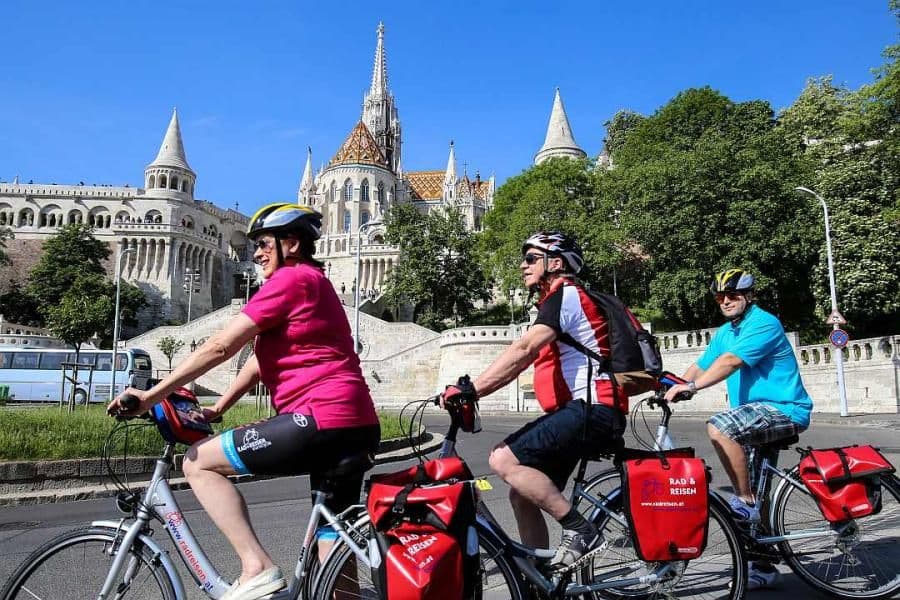
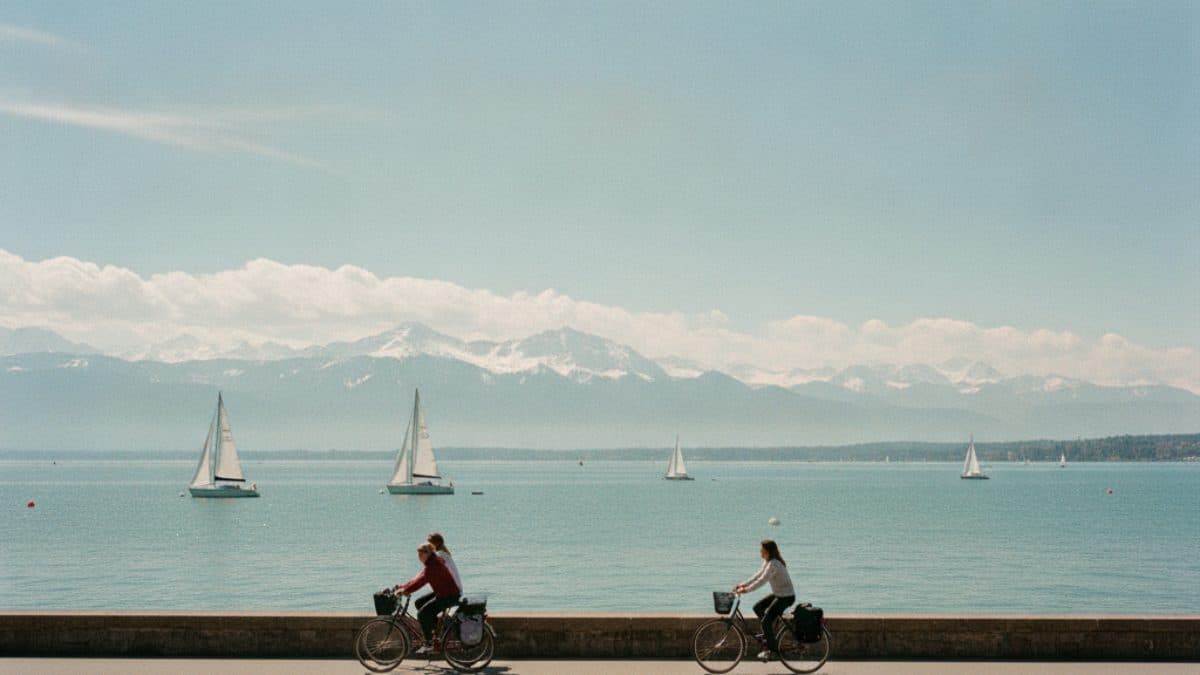
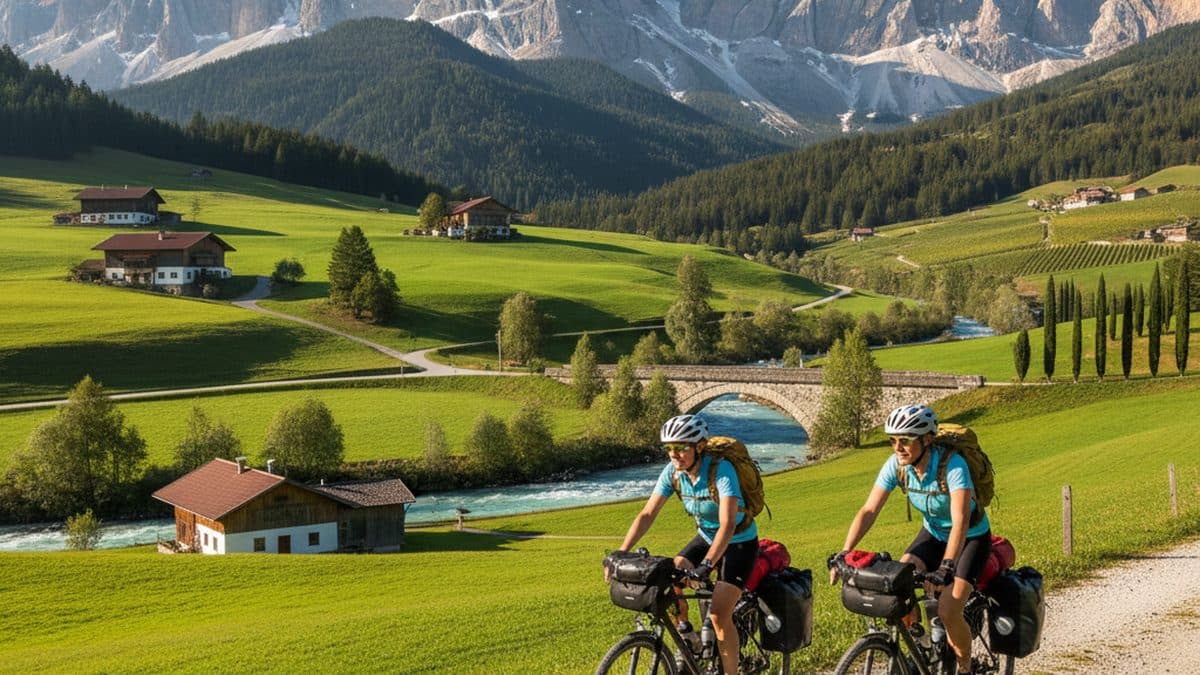
Germany's extensive network of dedicated cycling paths makes it one of Europe's most accessible destinations for bike touring. Follow the great rivers, ride through fairy-tale forests, and end each day with a well-earned Weißbier.
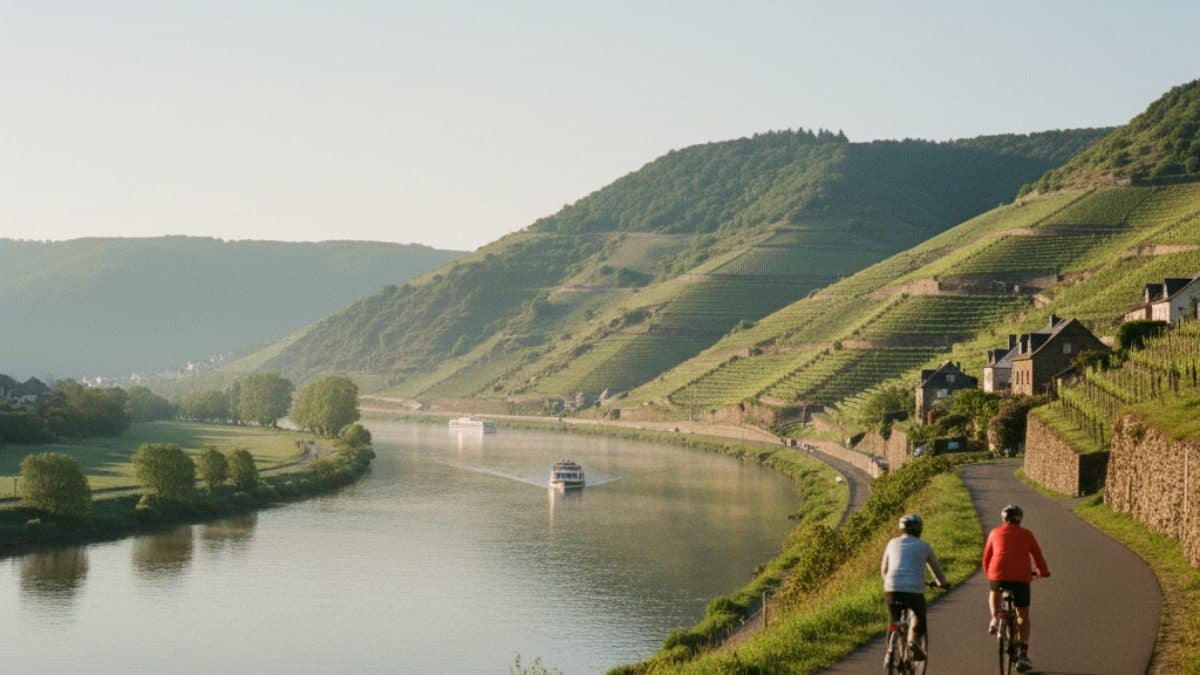
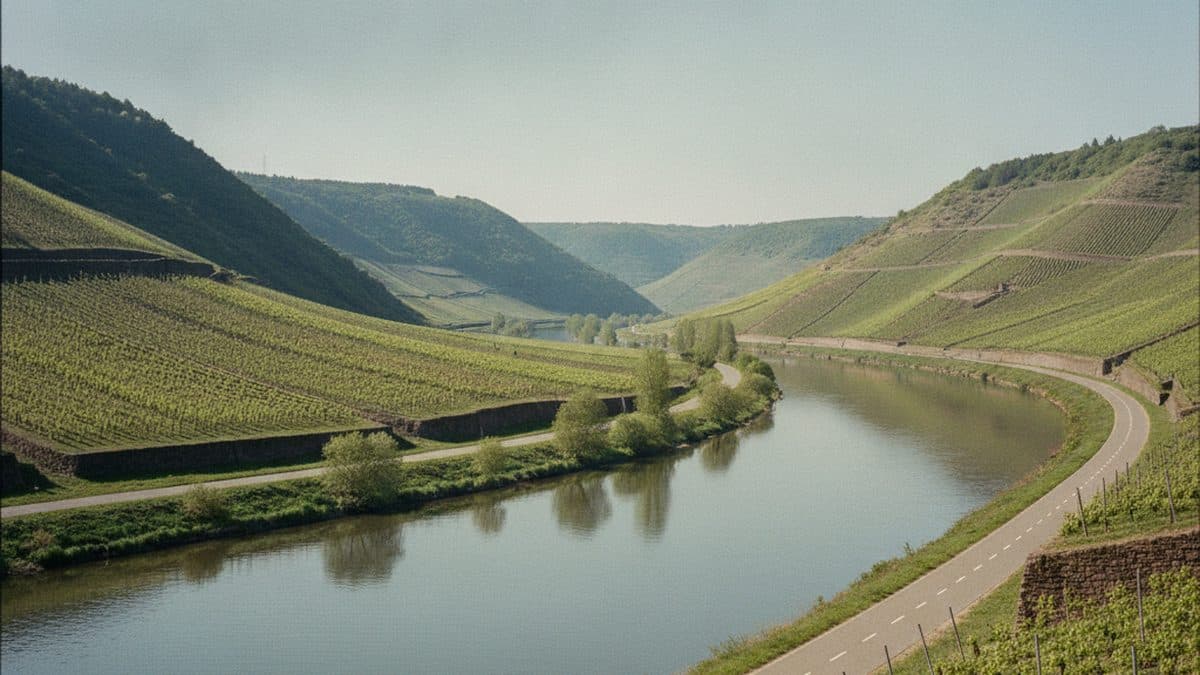
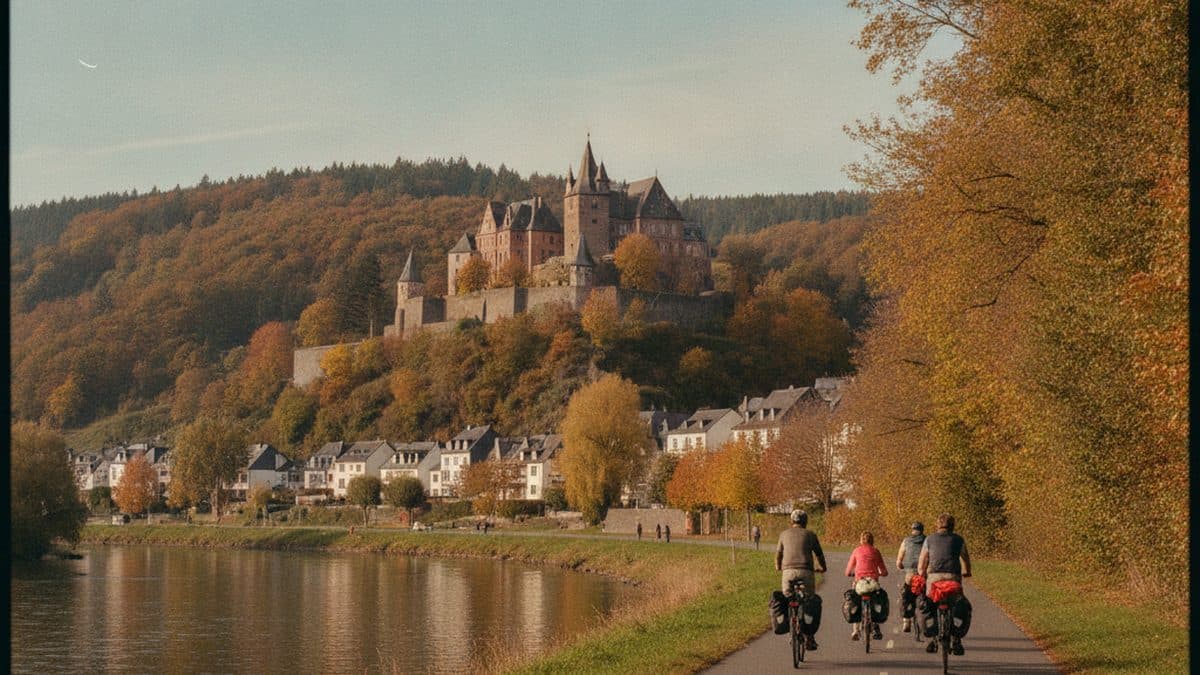
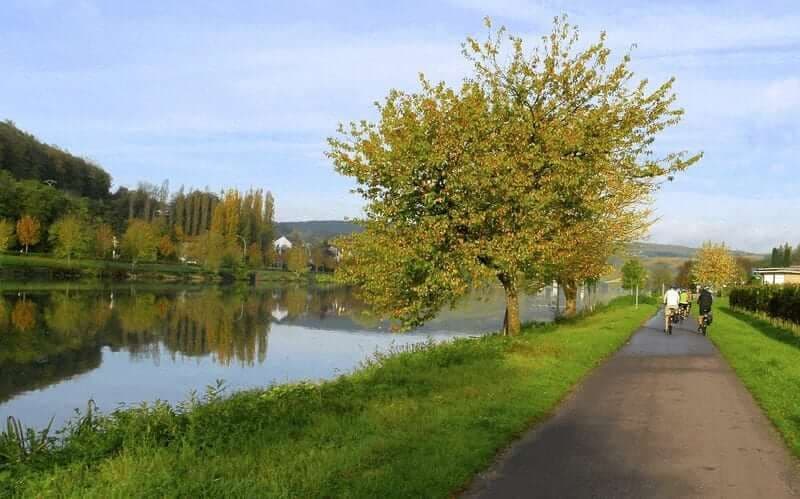
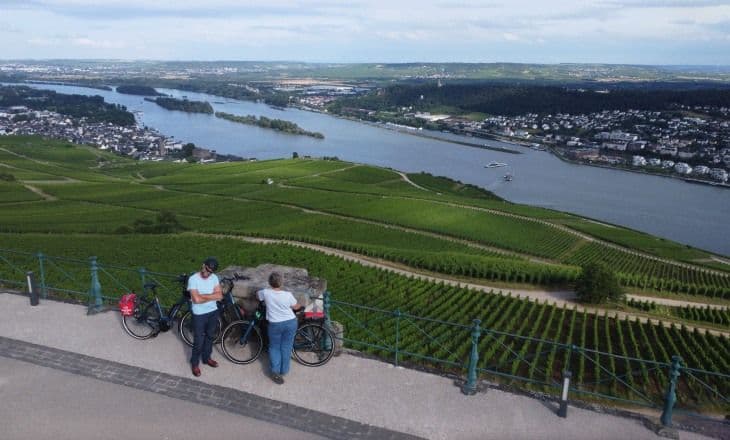
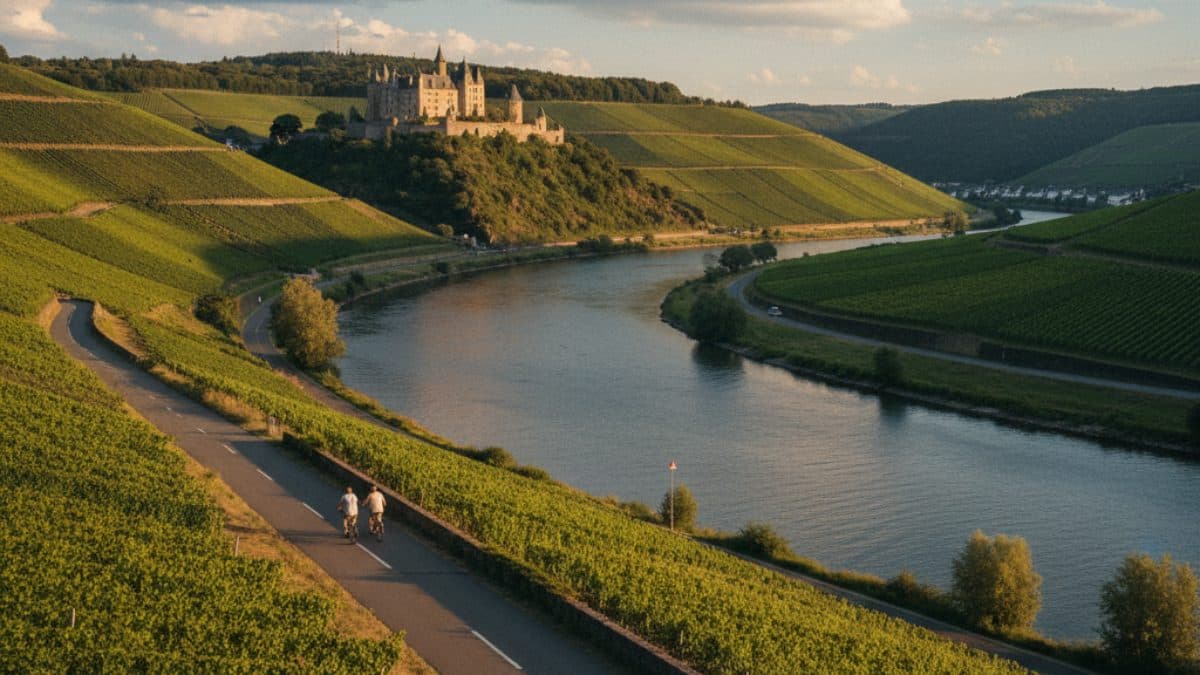
A compact 4-night ride along the Moselle from Roman Trier to Treis-Karden, winding through Germany's most famous wine valleys. Pass the steepest vineyard in Europe and finish with an included wine tasting.
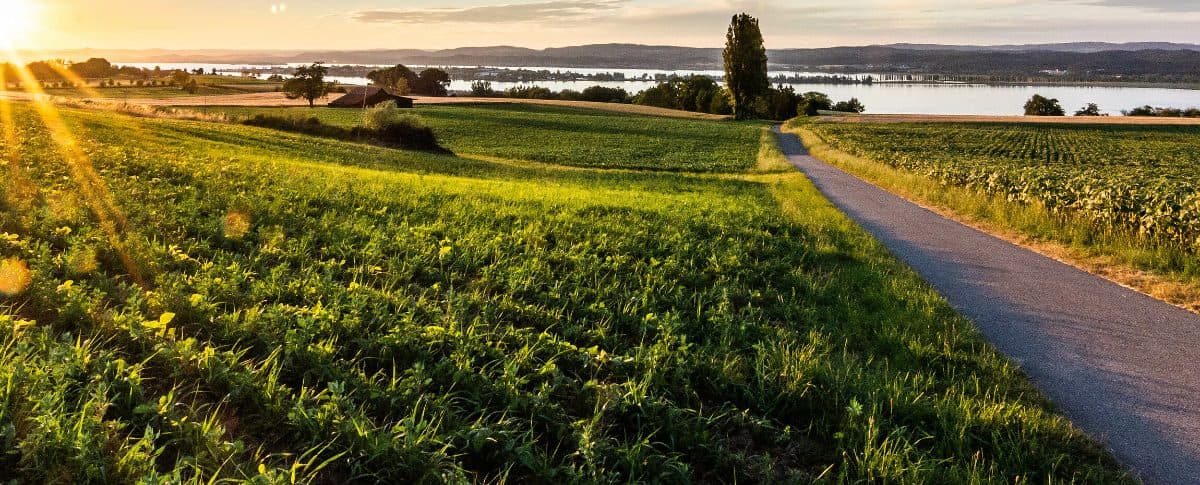
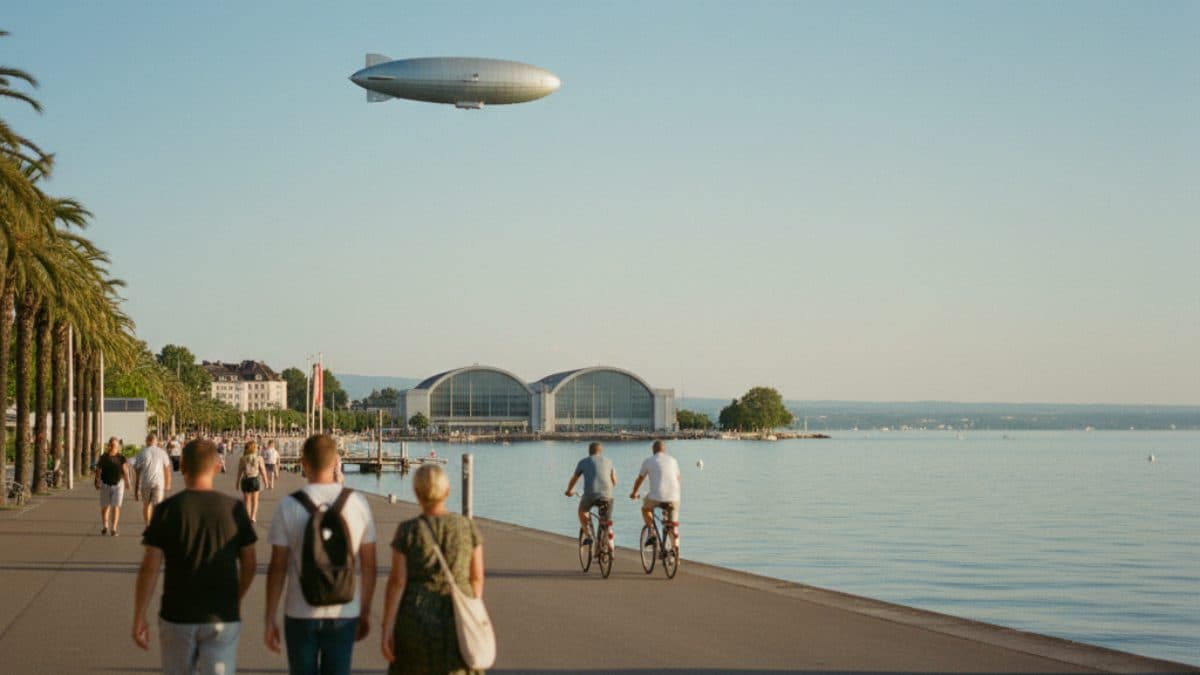
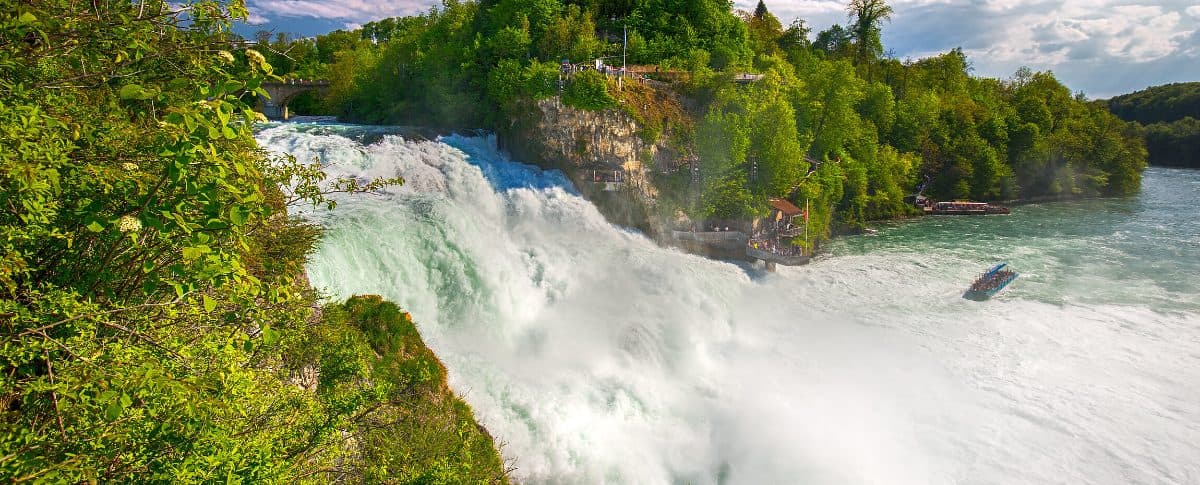
This 6-day self-guided Lake Constance cycling tour from Bregenz is made for active riders who like longer days in the saddle. You will reach the Rhine Falls, Stein am Rhein and the quiet Untersee before closing the loop through Germany and Austria.
Circle Lake Constance in 8 days from Bregenz through Austria, Germany and Switzerland. Mostly 4-star hotels, a Rhine Falls boat trip, a boat trip to Steckborn, a regional speciality dinner and a wine tasting in Hagnau all included.
Circle Lake Constance in 6 days starting from Friedrichshafen, pedalling through Germany, Austria, and Switzerland. The route leads you past Bregenz, the Höri peninsula, Stein am Rhein, and Reichenau island — ferry and ice cream included.
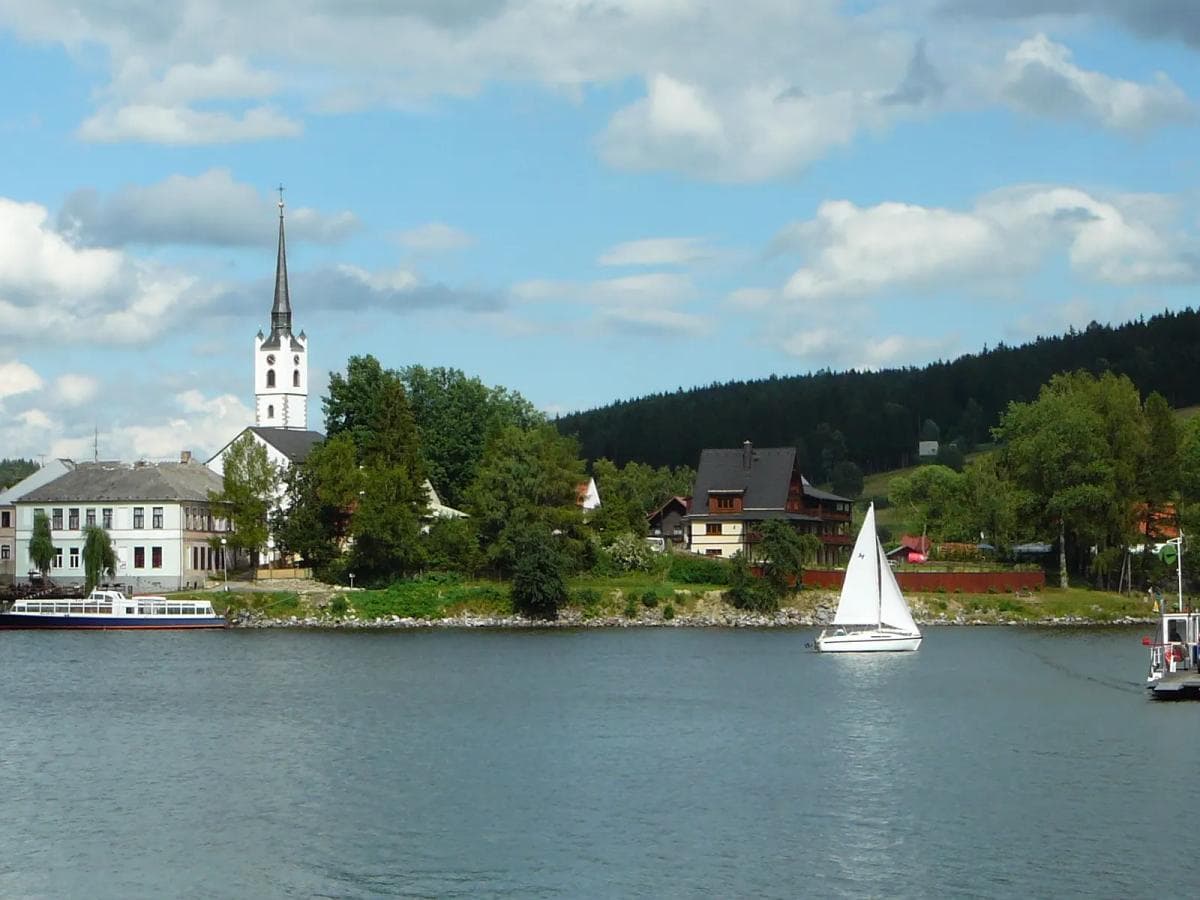
This self-guided cycling tour takes you from Prague through South Bohemia and the Šumava forest to Passau on the Danube. You will ride through the deep woods of Šumava from Lake Lipno, and end the ride in Passau, an old bishops' town on the banks of the Danube.
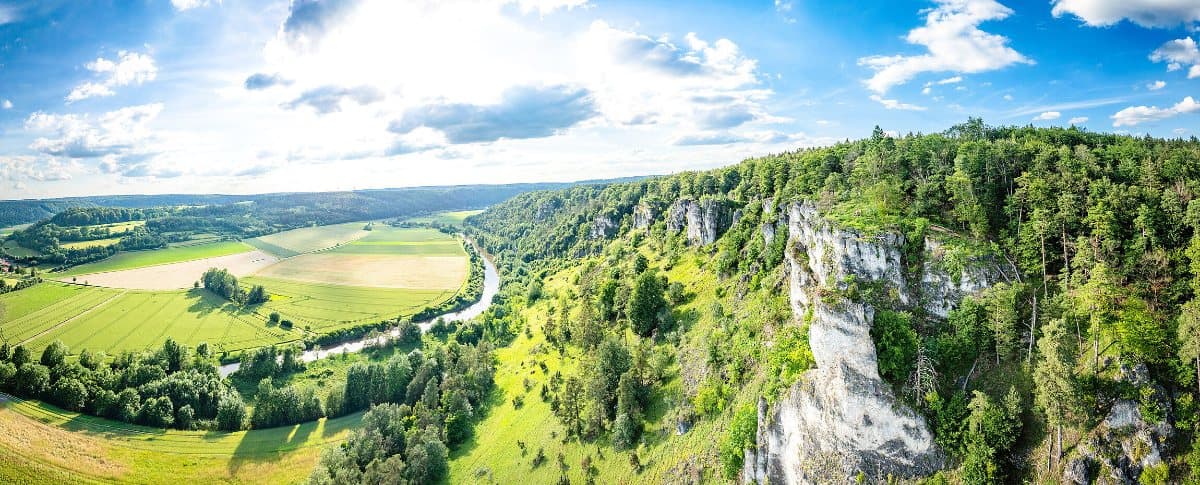
Cycle a 7-day self-guided loop from Regensburg along the Danube and the Altmühl Valley. Hop fields, the Danube Gorge at Weltenburg, Ingolstadt, Eichstätt and the juniper heaths of the Altmühl lead you back to UNESCO Regensburg without any return transfer.
Loop around Lake Constance in 6 days starting from Bregenz, cycling through Austria, Switzerland, and Germany. Flat lakeside paths, the Mainau flower island, a scenic ferry crossing, and charming towns — with luggage transfer and an ice cream stop included.
Cycle the Altmühl Valley from medieval Rothenburg to the Danube at Regensburg — eight days along one of the most beautiful river valleys in Germany. Striking rock formations, Roman traces, castles, the world's largest rock crystal group in Riedenburg, and an optional boat trip through the Danube Gorge to Weltenburg Abbey.
Cycle a full loop of Lake Constance on this 6-day self-guided tour from St. Margrethen/Lustenau. Nature reserves, the flower island of Mainau, the pile dwellings of Uhldingen and the old town of Constance wait along the shore.
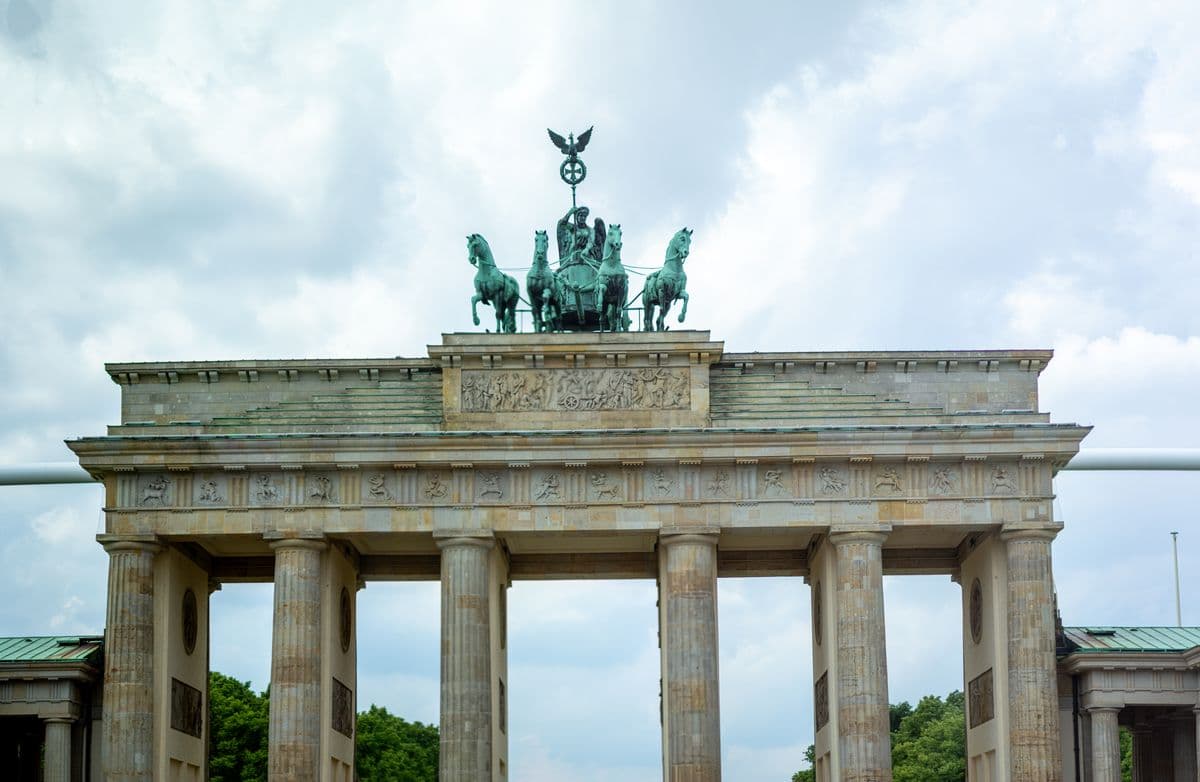
A 13-day self-guided cycling tour from Prague to Berlin covering 536 km along the Elbe River. Ride through Bohemian valleys, Saxon Switzerland, and historic German towns.
A spectacular 8-day loop from Eichstätt through the Altmühl Valley and along the Danube. Visit UNESCO Regensburg, take an optional boat through the Danube Gorge to Weltenburg Monastery, and ride car-free paths past Bavarian castles.
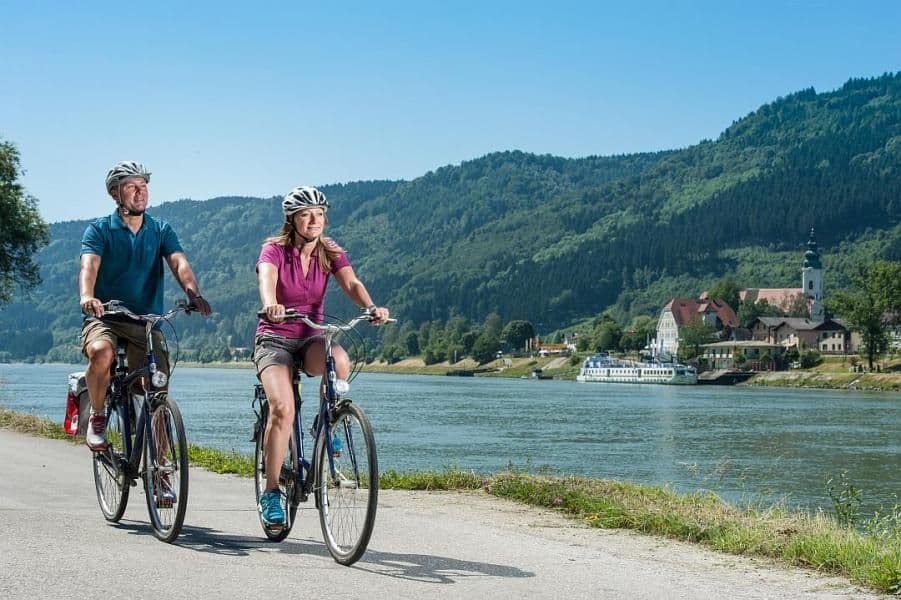
Cycle the Danube from Passau to Vienna on this 8-day self-guided gourmet ride. Flat, paved riverside paths carry you past terraced Wachau vineyards and Mühlviertel beer country. Taste Linzer Torte, Wachau wines and a sweet Demel treat as the river unfolds toward Vienna.
A 10-day self-guided cycling tour from Prague to Munich, crossing from Bohemia into Bavaria by the rivers Berounka, Regen, Danube and Isar. You will pass Pilsen's breweries, the Danube gorge at Weltenburg and the cathedral hill of Freising.
Cycle the entire German Moselle from Perl to Koblenz over 7 days and 6 nights. Wind through vineyards, Bernkastel-Kues and medieval Cochem — Reichsburg admission included — and finish at the iconic Deutsches Eck.
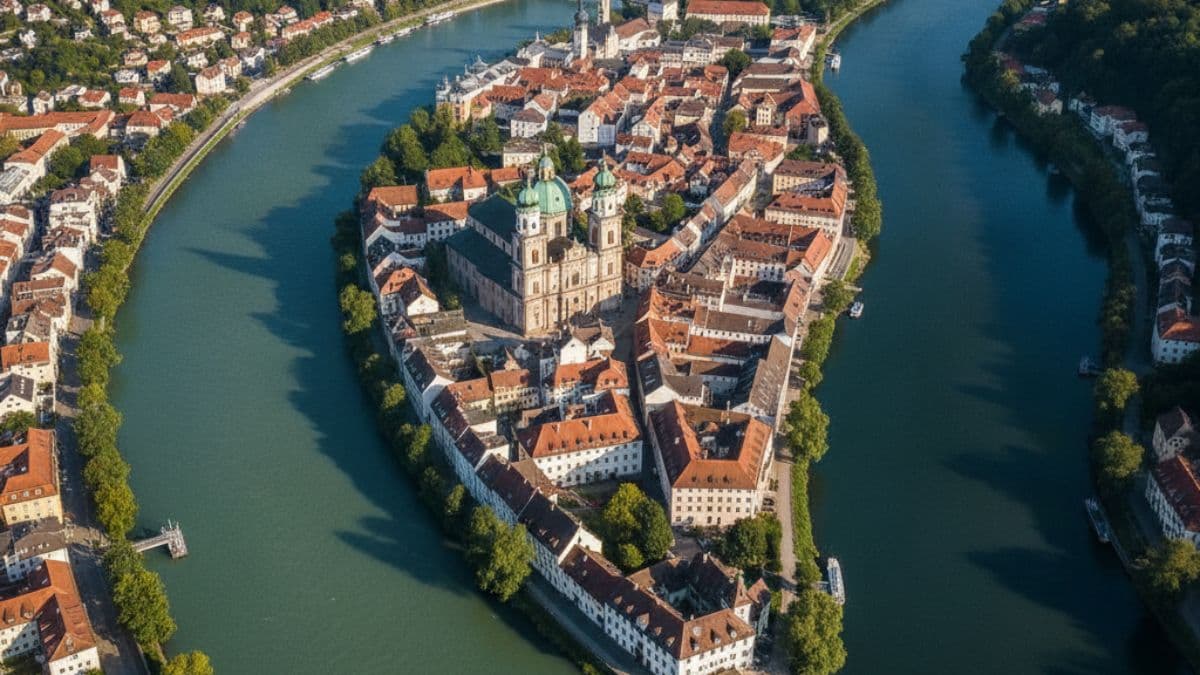
Cycle the three rivers around Passau on this 5-day self-guided tour based in a single Bavarian hotel. Each morning you set off where the Danube, Inn and Ilz meet, following flat, fully paved paths past wooded gorges, baroque towns and riverside taverns.
Cycle through Berlin and the lakes of Brandenburg on an 8-day guided boat and bike tour. Mornings follow green riverbanks, forests and centuries-old waterways; afternoons belong to the deck of the Clair de Soleil as she cruises the Spree towards the next town.
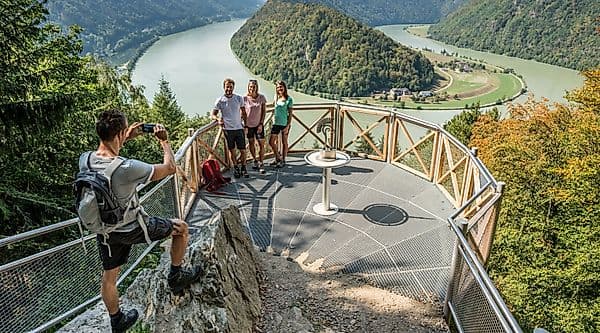
Cycle the Danube from Passau to Vienna in 7 days, with time for Passau, the Schlögener Schlinge, Linz and Enns, the oldest town in Austria. Continue past Maria Taferl and Melk Abbey through the Wachau vineyards to Tulln and Vienna.
The whole German Moselle at a gentle pace: 8 days from Perl to Koblenz with short daily stages, a boat cruise in Trier, a wine tasting, Reichsburg Cochem and the Koblenz cable car with Ehrenbreitstein Fortress included.
Cycle the Danube from Passau to Budapest and back to Passau on this 8-day bike and boat cruise through four countries. Wake to a new shore each morning and pedal past Wachau vineyards, riverside villages and the sweeping Great Loop.
Cycle the Danube from Passau to Vienna on this relaxed 7-day self-guided tour. Flat, paved riverside paths lead you past terraced Wachau vineyards, riverside towns and grand abbeys, while each evening unwinds in a comfortable wellness hotel with sauna, spa and pool.
The Moselle for active cyclists: from Trier to Koblenz in 5 days on longer stages through the vineyard loops, past Bernkastel-Kues, Traben-Trarbach, Beilstein and Cochem to the Deutsches Eck.
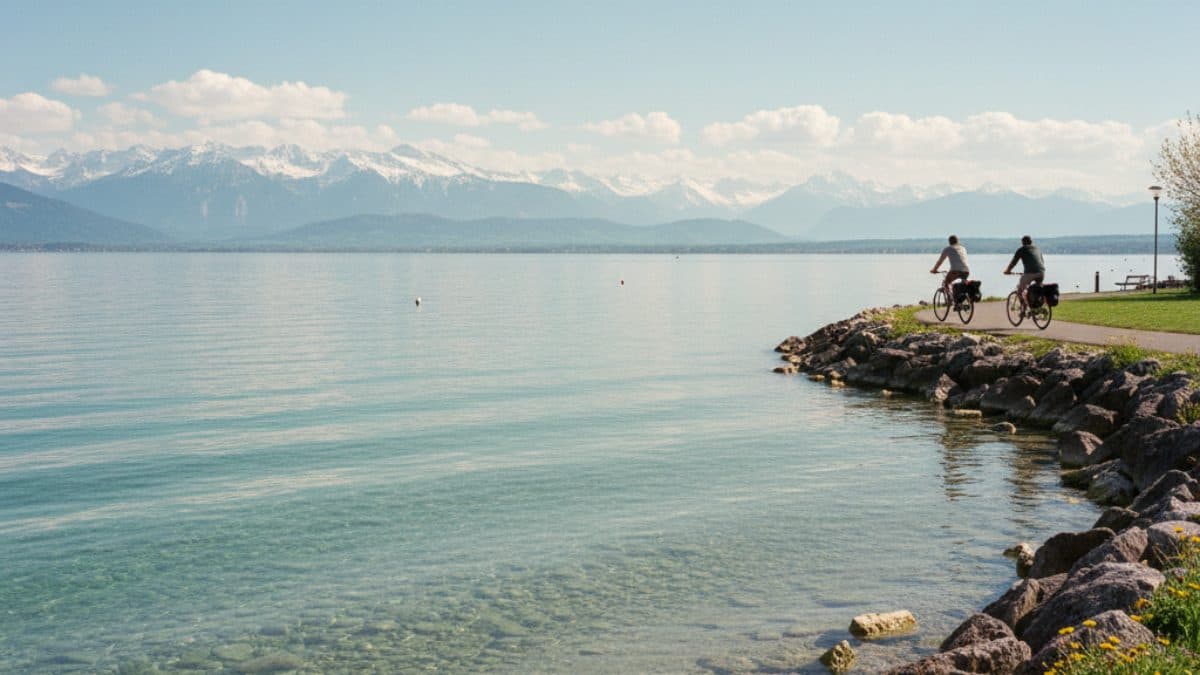
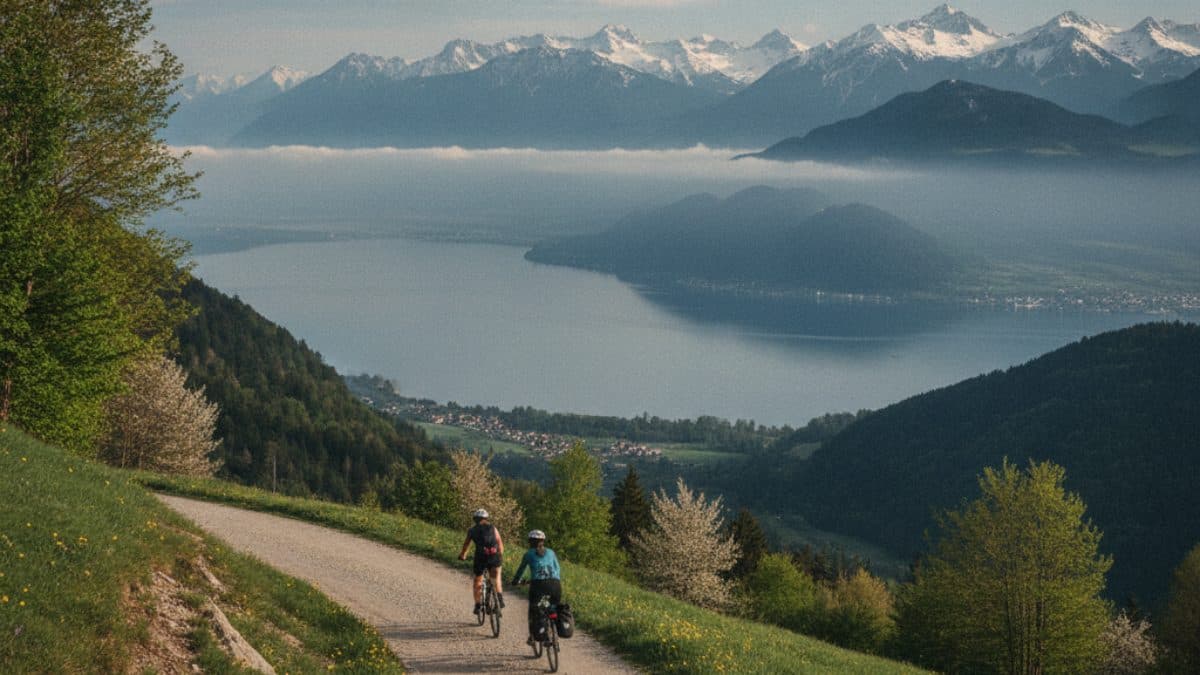
Pedal the full loop of Lake Constance, starting and ending in Bregenz. Over six nights you cross three countries — Austria, Switzerland, and Germany — riding lakeside and riverside paths with numerous opportunities for a refreshing swim. Highlights include the magnificent house facades of Stein am Rhein, a day trip to the thundering Rhine Falls, the flower island of Mainau, and the charming island town of Lindau. The route mixes lakeside nature reserves, the Höri peninsula, and a short ferry crossing from Konstanz to Meersburg. Luggage moves ahead each day and breakfast is always included, with an optional half-board upgrade of four dinners — so you only need to focus on the ride.
Cycle the classic Danube path from Passau to Vienna in 8 days. Glide past the Schlögener Schlinge, through the Wachau wine region and Melk Abbey to the Austrian capital, choosing between 3-star and 4-star hotels.
Cycle the Austrian Danube on a short 6-day bike cruise from Passau to Vienna and back. You ride the Schlögen Loop, the Wachau vineyards and the castles around Grein by day, and sleep on board the floating hotel each night.
You'll pedal along the iconic Danube Cycle Path from Passau to Linz, cruising past the legendary Schlögener Loop to Linz. Your family will enjoy short stages, playful detours to family parks and fairy-tale railways, and a train ride home with memories to last a lifetime.
A 7-day self-guided cycling tour from Prague to Regensburg, following the medieval trade route between Bohemia and Bavaria. You will ride through limestone canyons, taste Pilsner at its source and cross the old Iron Curtain into the Regen valley.
Combine the Fulda with the Weser Cycle Route, Germany's most popular long-distance cycle route, from Fulda to Minden. Seven days of flat, car-free riding past half-timbered towns, UNESCO Corvey Castle, and the Pied Piper town of Hameln. Return transfer included.
Eight days on the water and in the saddle, with a tour leader riding alongside you every day. You start in Cochem, follow the Moselle past vineyards and half-timbered villages down to Koblenz, then turn up the Rhine through the gorge below the Loreley. At Mainz the route swings east onto the Main and runs through Frankfurt to Aschaffenburg. Daily stages run from 23 to 50 km, and the barge carries your luggage and your bed from town to town, so you unpack once.
Cycle the Danube from Passau to Vienna on this 9-day self-guided deluxe tour, gliding along flat, paved riverside paths. Pass the Schlögen Loop, Wachau vineyards and Melk Abbey, then unwind each evening in the finest upper 4-star hotels.
Eight days from Metz to Cochem, with a premium ship as your floating base. You start in French Lorraine, cross Luxembourg at Schengen and ride along the Moselle into Germany: Roman Trier, the Saar valley waterfall of Saarburg, the wine villages of Bernkastel-Kues and Zell, and the castle above Cochem to finish. A tour leader cycles with you every day.
Eight days on the River Main, from Bamberg to Aschaffenburg. You sleep on board and cycle along the Main during the day, with a tour leader riding along with the group. Two UNESCO sites at the start of the week, the old centre of Bamberg and the Residenz in Wurzburg, then vineyards, half-timbered towns and quiet floodplain forest. It is a friendly, gentle bike tour, and on any day you can stay on board while the ship moves on.
The relaxed version of Germany's favourite cycling route: eight days from Fulda to Hameln with daily stages of 36 to 70 km. Enjoy half-timbered towns, UNESCO Corvey Castle, the wild Diemel Valley, and Kassel's baroque Orangery at a comfortable pace. Return transfer included.
A 9-day self-guided Alpine crossing from the Bavarian lake district to the Adriatic, covering around 410–420 km from Bernau am Chiemsee to the beaches of Lignano. The route runs mainly on well-kept cycle paths and quiet secondary roads, with the hardest sections covered by included transfers. Hotel and guesthouse accommodation with daily luggage transfer.
Cycle the Fulda and Weser rivers from Fulda to Minden in 8 days, with stages of 43 to 81 km on the Fulda and on the Weser Cycle Route, Germany's most popular long-distance cycle route. Flat, car-free paths past half-timbered towns, monasteries, and the UNESCO World Heritage site of Corvey Castle.
Cycle the Old Salt Road on an 8-day boat and bike tour from Hamburg through northern Germany. Your ship carries you between Lüneburg, Lauenburg and Lübeck while you ride quiet canal paths, lake country and the Baltic shore, sleeping on board each night.
A 6-day family cycling tour around Lake Constance across Austria, Germany, and Switzerland, with daily stages of 30–42 km. Short lakeside stages for the whole family.
The SELECT edition of the legendary Munich to Venice cycle route elevates every night to a handpicked 4-star hotel. The same thrilling Alpine crossing — Bavarian lakeland, Tyrolean valleys, Dolomite peaks and Venetian plains — now paired with superior comfort after each day in the saddle.
A leisurely 12-day version of the classic Munich to Venice route, this extended itinerary gives you more time to savour every landscape change — from the Bavarian lakeland to the high Dolomites and down to the Adriatic. Shorter daily stages make it ideal for those who prefer a relaxed pace with time for sightseeing.
Cycle the Danube from Passau to Budapest and back on an 8-day bike cruise aboard a river catamaran. Each day you ride a flat, car-free stage, then return to your floating hotel for dinner as the river carries you on.
Nine days on the Moselle, starting in Gothic Metz and ending under the castle of Cochem. After a night in the city and a guided walk you join the ship in Thionville and follow the river through France, Luxembourg and the great German wine villages. The ship is your hotel and tour leaders ride with you every day.
Cycle the legendary Danube path from Passau to Budapest on this 14-day self-guided tour. Quiet riverside roads wind past baroque villages, terraced Wachau vineyards and wooded gorges, linking three grand capitals — Vienna, Bratislava and Budapest.
Cycle the Danube from Passau to the Iron Gates and back on this 15-day bike and boat cruise through six countries. You will pedal past vineyards, wide plains and Balkan towns by day, then return each evening to your cabin, full board and the river gliding by.
This self-guided cycling tour follows the Eger (Ohře) river upstream from Litoměřice to its source in Bavaria. You will ride between hop fields around Žatec, sip spring water under the colonnades of Karlovy Vary, and finish by a lake in the spruce forests of the Fichtelgebirge.
Eight days from Cochem to Metz, with a premium ship as your floating base. You ride the Moselle through Germany, cross into Luxembourg and finish in France: steep terraced vineyards, half-timbered wine villages, Roman Trier and the Gothic cathedral of Metz. A tour leader cycles with you every day, so you can concentrate on the river, the wine and the road.
Cycle the Danube through seven countries on a 12-day bike cruise from Passau to the Iron Gate gorge and back to Vienna. You ride E6 stages through Bratislava, Budapest, Belgrade and Novi Sad, and sleep aboard a 4-star superior river cruise ship.
Eight days on the River Main, from Aschaffenburg to Bamberg. You sleep on board and cycle through the Main valley during the day, with a tour leader riding along with the group. Vineyards, half-timbered towns and two UNESCO sites: the Residenz in Wurzburg and the old centre of Bamberg. The operator describes it as a friendly, gentle bike tour. If you would rather not ride on a given day, you stay on board while the ship moves on to the next mooring.
Nine days following the Moselle from the castle town of Cochem all the way to Metz. You sleep on board a comfortable ship that moves with you, ride a riverside path past Europe's steepest vineyards, cross into Luxembourg and France, and finish with a night in Metz and its Gothic cathedral. Tour leaders ride with you every day, so you never have to worry about the route.
Follow the Altmuhl River from Rothenburg ob der Tauber to the UNESCO World Heritage city of Regensburg on this self-guided cycling journey through the Altmuhltal nature park. Five riding days of 50–68 km lead past Colmberg's Hohenzollern castle, Lake Altmuhl, Charlemagne's Karlsgraben, the old bishop's town of Eichstatt, the Roman fort at Pfunz and the Danube gorge at Kelheim — with a Night Watchman tour in Rothenburg and a Crystal Museum visit in Riedenburg included in the package.
Fifteen days, two very different German cities, and a ship that follows you the whole way. You start on the Hamburg waterfront, ride out along the Elbe into the Lüneburg Heath, cross the canals to Wolfsburg and Magdeburg, and come into Berlin through the Havel lakes and Potsdam. A tour leader cycles with the group every day. Every evening the Clair de Soleil is waiting with your cabin and dinner, so you unpack once and leave the luggage alone for two weeks. Everyone rides an e-bike, and the stages run from 23 to 59 km.
Ride from the Altmühl Lakes to UNESCO Regensburg over 6 days and 5 nights. Follow the idyllic paths along the gently flowing Altmühl through the nature park, past medieval Weißenburg and the Roman fort at Pfünz, to the Danube.
Eight days, two rivers and one comfortable floating hotel. You start in Amsterdam, sail up the Rhine into Germany and end among the vineyards of the Moselle in Cochem. Each morning the barge moves you to a new starting point; each day you ride with a guide through Dutch heathland, the reinvented Ruhr, the cathedral city of Cologne, the old capital Bonn and the castle-lined Rhine valley. Distances stay friendly, between roughly 28 and 54 km, and if you would rather not ride you simply stay on board and watch the landscape come to you. Your cabin travels with you, so you unpack once.
Eight days on the Rhine, with your hotel ship following you from city to city. You start and finish in Koblenz, where the Moselle joins the Rhine, and in between you cycle flat, well-paved riverside paths to Cologne, Dusseldorf and Bonn. One day takes you into the Ruhr, where old coal and steel sites have been turned into vast green parks. Every evening the ship is moored in the middle of a new city, so you simply step off the gangway and go exploring. Most cycling days offer a shorter and a longer option, and if you would rather not ride at all you can stay on board and watch the river go by.
Two capitals, one river. You will follow the Elbe as it winds from Prague through the vine-covered lowlands of Bohemia, past volcanic hills and sandstone cliffs, to Dresden. Seven days of easy, flat cycling through some of Central Europe's most surprising landscapes.
The route takes you along newly built bike paths through a countryside that shifts daily — from the wine town of Mělník and the fertile Czech Garden of the Elbe lowlands to the dramatic sandstone pillars of Czech-Saxon Switzerland National Park. Ancient castles perch above river bends, and small towns invite you to stop for a glass of Bohemian wine.
Every pedal stroke carries you deeper into centuries of shared history between Czech and German culture, through a region where vineyards, river gorges, and fortified hilltop towns tell stories of trade, art, and resilience. The final stretch into Dresden's UNESCO-listed Elbe Valley will leave you with an impression that lasts far beyond the ride.
Cycling the Danube from Passau to Vienna is Europe's classic river ride, flat and paved all the way. You will roll past vineyards, abbeys and the Schlögen Loop, with your bags waiting at each new hotel.
A 9-day self-guided road bike tour from Munich to Venice covering 695–705 km across Germany, Austria, and Italy. Ride past Bavarian lakes, over the Brenner Pass, through the UNESCO Dolomites, and into the Prosecco hills. Includes luggage transfer and a navigation app.
An epic ten-day crossing from the Bavarian capital to Italy's fashion and design capital. You will follow the Isar through pristine forests, cross into the Austrian Tyrol along the Inn Valley, traverse the Brenner Pass by train, then ride south through the vineyards of Alto Adige, past the Brenta Dolomites, along Lake Iseo and the Valle Cavallina — arriving in Milan along the historic Navigli canals.
Cycling the Danube from Passau to Vienna and back pairs easy daily rides with nights aboard a premium river ship. You will pedal past vineyards, castles and quiet villages, then return to your cabin, a set table and the river gliding past your window.
Cycle the legendary Danube path from Passau to Budapest on this 10-day self-guided tour built for cyclists who want to cover real distance. Quiet riverside roads and well-maintained cycle paths link the historic city of Passau with the grand capitals of Vienna, Bratislava and Budapest, taking in the Wachau Valley, Melk Abbey and the Danube Bend along the way.
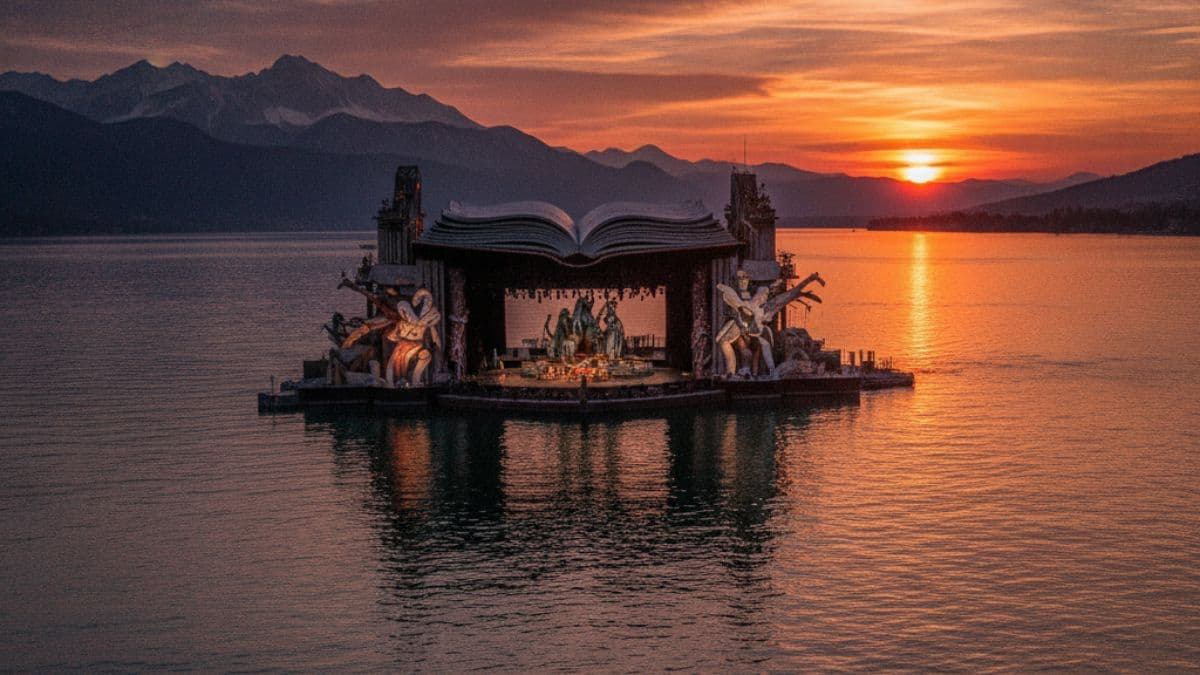
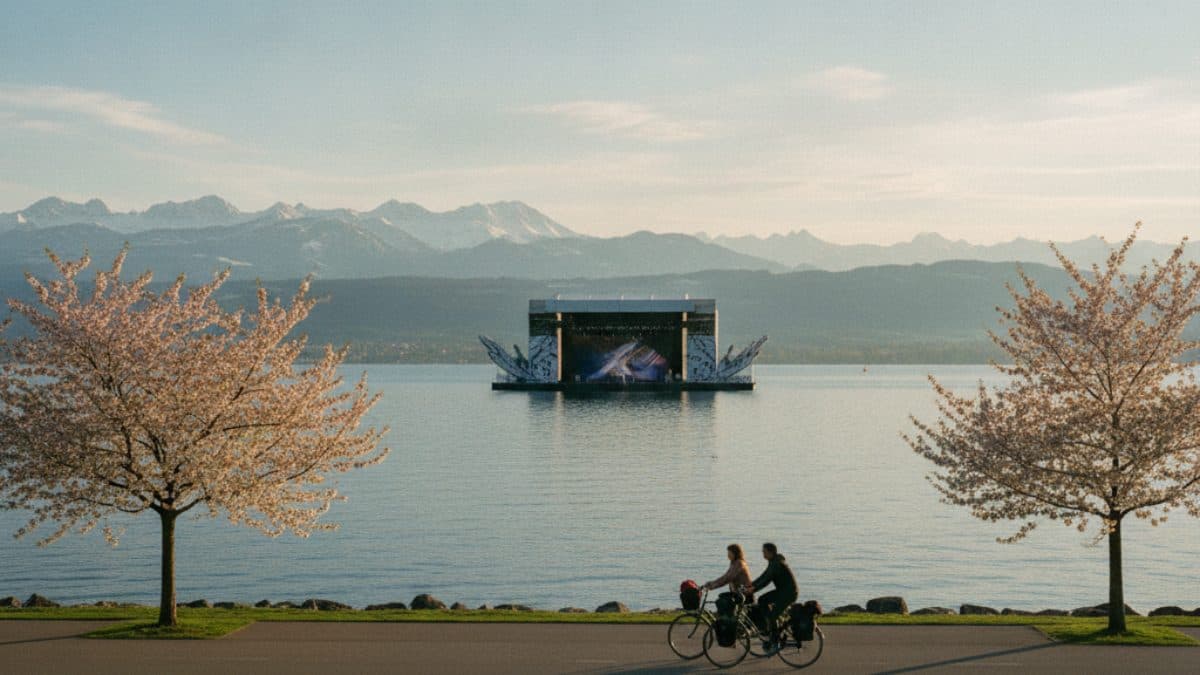
You'll pedal around Lake Constance, the "Swabian Sea", cycling through Austria, Germany and Switzerland. Glide past the lake stage of the Bregenz Festival, discover picturesque Stein am Rhein, marvel at the mighty Rhine Falls and hop a ferry to charming Meersburg — all with your luggage waiting at the next hotel.
Fifteen days, two very different German cities, and a ship that follows you the whole way. You leave Berlin through the Havel lakes to Potsdam, then ride canals and the Elbe to Magdeburg and Wolfsburg, cross the Lüneburg Heath and finish on the Hamburg waterfront. A tour leader cycles with the group every day. Every evening the Clair de Soleil is waiting with your cabin and dinner, so you unpack once and leave the luggage alone for two weeks. Everyone rides an e-bike, and the stages run from 23 to 59 km.
Cycle the Rhine and Moselle valleys on an 8-day boat and bike tour that starts and ends in Koblenz. Your ship follows the rivers while you ride beneath vine-covered slopes, past the Loreley rock and fairytale castles, sleeping on board every night.
Cycle from Passau to Vienna along the Danube on this 6-day self-guided athletic tour. The pace is sporty, with longer daily stages of around 80 km, yet the riverbank still carries you past the Schlögen loop, the vineyards of the Wachau and the abbey of Melk.
An 8-night loop ride around Lake Constance weaving through Austria, Switzerland and Germany. Pedal past the Bregenz lake stage, see the impressive Rhine Falls by boat, stroll through picturesque Stein am Rhein and explore the island of Mainau — all while your luggage travels ahead to good 3- and 4-star hotels. A relaxed itinerary with a rest day in Constance that lets you savour every lakeside moment.
An epic three-country cycling adventure from the Bavarian capital to the canals of Venice. Over seven riding days you will follow the Isar and Inn rivers, cross the Alps by train at the Brenner Pass, glide through the Dolomites on a former railway line, and descend to the Venetian lagoon.
The complete Moselle experience in 5 nights — from Trier, Germany's oldest city, to the Deutsches Eck in Koblenz. Includes a boat tour, wine tasting, Castle Cochem admission and daily stages of 40–56 km along the river, through steep vineyards and charming wine villages.
Cycle around Lake Constance on a 7-day self-guided loop from Singen, a budget-friendly way to see the lake. You will reach the Rhine Falls, cross by ferry to Überlingen and pass Meersburg, Lindau and Bregenz before returning via Stein am Rhein.
Cycle the Danube from Passau to Vienna on this relaxed 10-day self-guided tour built around short, gentle stages. Quiet riverbank paths unwind past baroque towns, terraced vineyards and the sweeping Schlögen loop, leaving long, unhurried afternoons to wander and explore.
The cycling season runs from late April to mid-October. May, June, and September offer the best balance of temperatures (18–25 °C), long daylight, and quiet routes. The Rhine and Moselle river paths can be cycled from April onward; the Black Forest and Bavarian alpine routes are best between June and September when high passes are snow-free.
The Rhine Cycle Route (EuroVelo 15) is 1,233 km from the Swiss Alps to the Hook of Holland. Most cyclists tackle 5–10 day segments: Andermatt to Basel (alpine), Basel to Mainz (vineyards and Black Forest), Mainz to Cologne (the iconic Rhine Gorge with castles), and Cologne to Rotterdam (flat industrial heritage). It's entirely signposted with bike-friendly hotels every 20–40 km.
The Moselle path (245 km from Trier to Koblenz) is quieter, more compact, and arguably more scenic than the Rhine. It winds through dramatic Riesling vineyards on terraced slopes, with daily distances of 35–55 km and almost no climbing. Trier (Roman heritage), Bernkastel-Kues (medieval wine town), and Cochem (castle) are highlights. Best suited for 4–6 day tours.
Yes — the Schwarzwald has a dedicated 285-km route from Pforzheim to Lörrach with five connecting loops. Daily climbs of 600–1,000 m make it more challenging than river routes; e-bikes are popular. Highlights include Triberg (Germany's tallest waterfalls), the cuckoo clock villages of the central Black Forest, and the wine slopes of Baden in the south.
Germany is exceptional for family cycling. Routes like the Bodensee loop (260 km, flat, lake swimming stops), the Romantic Road, and Lower Rhine offer separated bike paths, low daily distances (25–40 km), and family-friendly hotels with playgrounds and bike storage. Many operators include child seats, tagalongs, or kid-sized bikes.
Germany is part of the Schengen Area. EU/EEA/Swiss citizens travel freely. UK, US, Canadian, Australian, and New Zealand visitors can stay 90 days in any 180-day window without a visa. ETIAS authorisation is not in force yet and has no confirmed start date — check the official EU travel portal before booking.