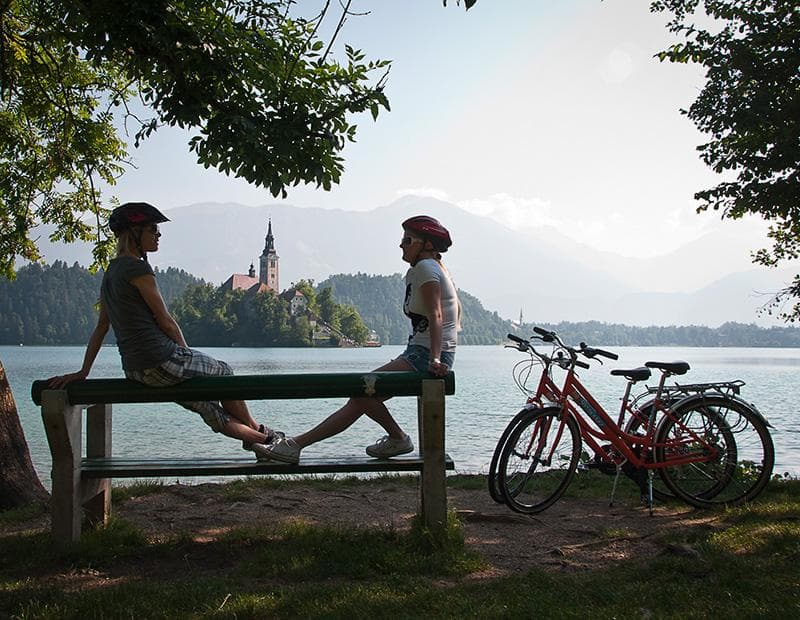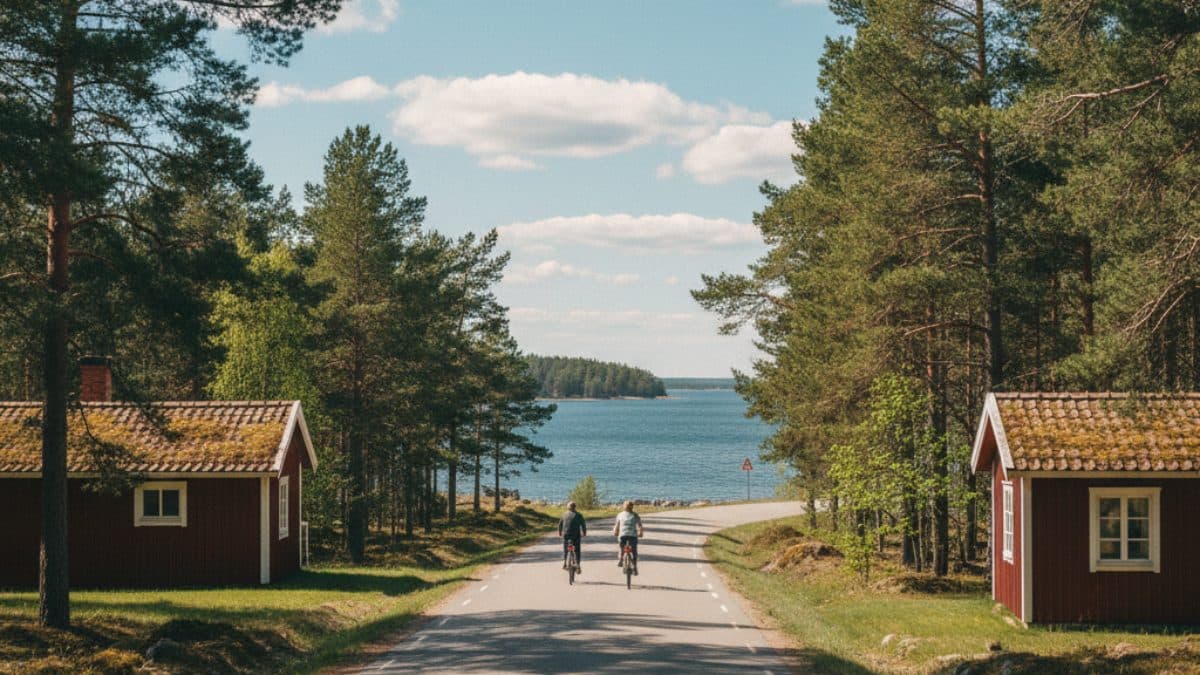

Few corners of Europe let you ride from a glacier-fed alpine valley to a warm Adriatic harbour in a single trip — and fewer still let you cross three countries while you do it. The triangle of Austria, Slovenia and Croatia is exactly that kind of place. Old Habsburg trade routes, decommissioned railways and river paths now form a connected web of cycle ways that thread the Eastern Alps down to the sea. You can start your week in Tyrol with snow still on the peaks and finish it eating grilled fish in Istria or Dalmatia. This guide maps the whole region for you: the two great corridors that make it work — the Alpe-Adria and the Trieste–Istria coast — plus the Carinthian lakes, the Slovenian alps, the Croatian islands and the Danube as alternatives. Use it to compare routes, difficulty and the kind of trip each one delivers.
Why cross-border cycling here is different
Most cycling holidays keep you inside one country and one landscape. Cross-border routes in the Eastern Alps do the opposite: they turn the journey itself into the attraction. In the space of a week you pass through German-speaking alpine villages, Slovenian valleys where the road signs change, and Mediterranean coastlines where the architecture and the food suddenly feel Venetian. The reason it works so smoothly is infrastructure. The Alpe-Adria Radweg follows former rail corridors and river valleys, so the gradients stay manageable even where the mountains are dramatic. The Parenzana — a narrow-gauge railway that once linked Trieste to Poreč — has become a flat, car-free trail across the Istrian border. And the Drava and Danube paths give you long, gentle ribbons of tarmac and gravel to link everything together. The practical upshot: you get genuine high-mountain scenery without needing the legs of a racer, because the hardest climbing is usually downhill toward the sea.
The Alpe-Adria: from the Alps to the Adriatic
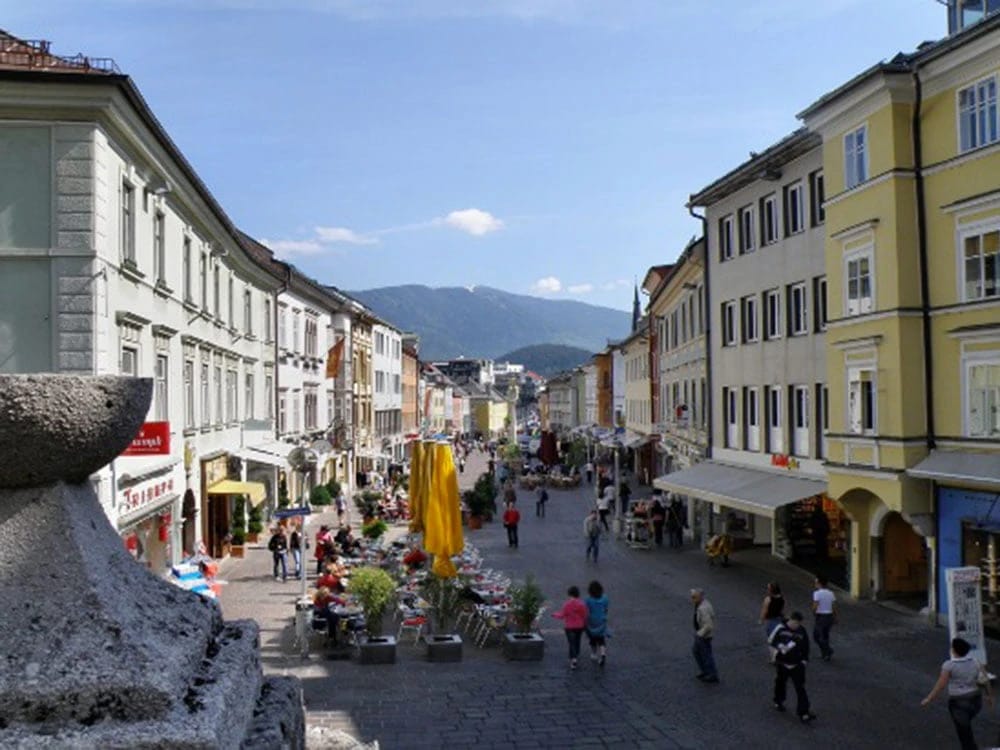
The Alpe-Adria is the spine of this whole region and the route most riders build their trip around. It runs south from Salzburg, climbs gently through Carinthia, crosses into Italy and Slovenia near Tarvisio, and rolls down to the Adriatic at Grado or Trieste. Because so much of it follows old railway grades, it is far more approachable than its alpine backdrop suggests. The full classic version takes you all the way from Salzburg down to Trieste on the original Alpe-Adria corridor, while a slightly longer itinerary covers the 11-day Salzburg-to-Grado route with extra days on the coast. If you would rather skip the long northern approach and ride the most scenic southern half, the Villach-to-Trieste leg through Slovenia condenses the best of the descent into a shorter break. Gravel riders can tackle the same Villach–Trieste corridor off-tarmac on a dedicated gravel version from Villach to Trieste. Two further variations finish on the Adriatic at Grado rather than Trieste — the six-day Villach to Grado route, one of Europe's easiest long-distance rides as it descends almost the whole way from the Austrian Alps, and a condensed sportive Villach to Grado version in three powerful riding days — while the classic eight-day Villach to Trieste trail runs through the Canal Valley and Friuli to the Adriatic with a free day in Grado before the Karst finale into Trieste. And from the imperial capital itself, the Vienna-to-Trieste route through the old Habsburg cities retraces the historic line the monarchy once used to reach its only seaport on the Adriatic.
Crossing the Alps: Munich, Innsbruck and the high passes to Venice
If the Alpe-Adria is the gentle way to the sea, the great north–south Alpine crossings are the ambitious one. These routes climb from Bavaria or Tyrol over the main chain of the Alps and drop into the Veneto, finishing within sight of the lagoon. They are the bucket-list rides of the region — longer days, real climbs, and the unmistakable satisfaction of pedalling from a beer garden in Munich to a canal in Venice. The benchmark is the classic Munich to Venice crossing, with a relaxed 12-day Munich–Venice version for riders who want more time on the passes and a premium Select Munich–Venice tour with upgraded hotels. Road cyclists can take the same line on lighter bikes via a road-bike Munich to Venice itinerary, or swing west toward Lombardy on the Munich to Milan crossing through the Alps. Starting further south in Tyrol shortens the climbing: choose a leisurely 9-day Innsbruck–Venice crossing for a gentler profile, or the Innsbruck–Venice alpine adventure for the full experience. Riders chasing the Dolomites specifically can finish at the coast on a Dolomites-to-Trieste road route.
Carinthian lakes and the Salzkammergut
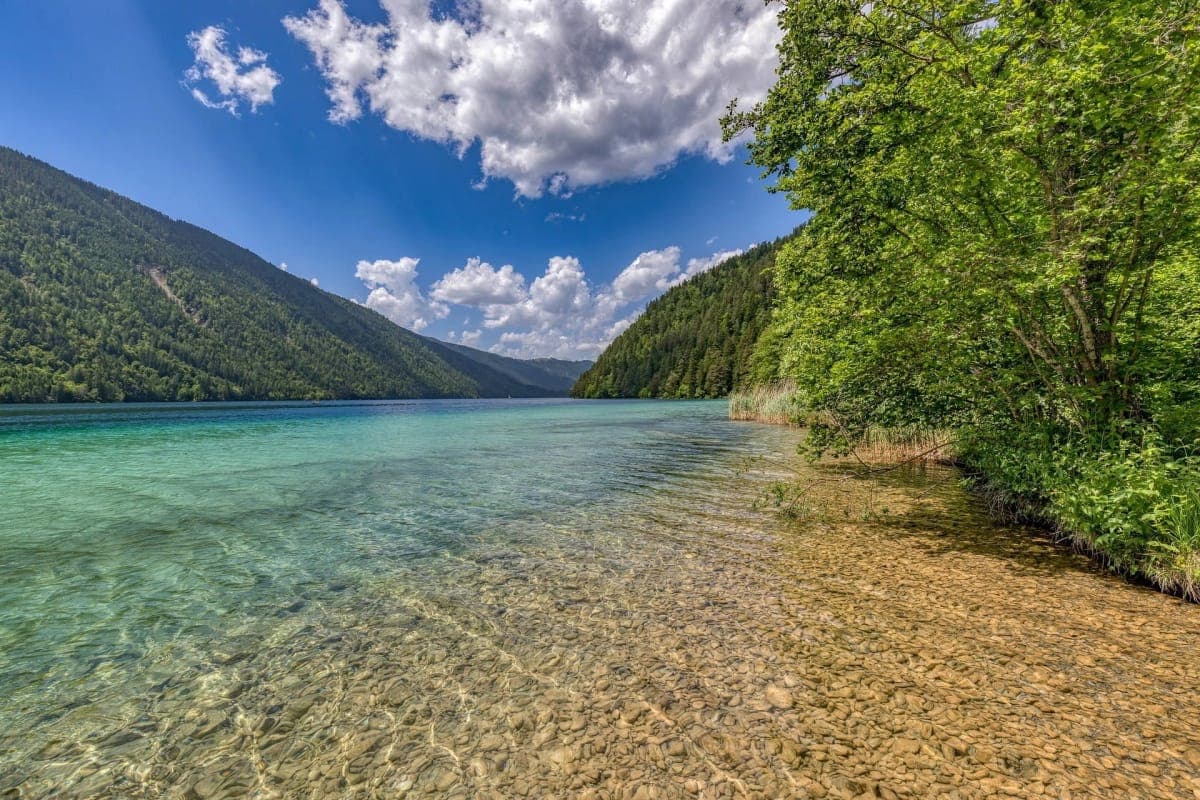
Not every trip in this region needs to point at a mountain pass. Southern Austria's lake districts offer some of the easiest, most rewarding cycling anywhere in the Alps — flat shoreline paths, warm swimming water in summer, and a different turquoise lake almost every day. Carinthia is the standout. A loop from a single base lets you string together six of its best lakes on the Carinthian Lakes loop from Villach, while a point-to-point alternative runs gently downhill from the Dolomite foothills on the Drava and Carinthian Lakes route from Lienz to Klagenfurt. These are the trips to choose if you want alpine views without the alpine effort, and they pair beautifully with a Carinthian lake swim at the end of each stage.
Slovenia: alpine lakes, valleys and the green heart
Slovenia is the quiet hinge between the Austrian Alps and the Adriatic, and it is far more than a country you simply pass through. Its north is genuine alpine terrain — emerald rivers, glacial lakes and the Julian Alps — while its size means you can sample a lot of it in a short break. For a dedicated tour of the country's best scenery, Pearls of Slovenia through its alpine lakes and valleys is the most complete option. For a shorter break focused on the Julian Alps and the capital, the Lakes and Cities tour from the Slovene Alps to Ljubljana rides from Bled through alpine valleys and the Jelovica plateau in five easy days. To focus on the single most famous spot, a Lake Bled base with alpine day trips keeps you near the island church and castle while you explore outward each day. And for riders who want the cross-border idea distilled into one itinerary, the Three Countries, Fifteen Lakes route across the Dolomites and Slovenia is exactly that — a single trip that links Italian, Austrian and Slovenian lake country in one loop.
Trieste and Istria: the Adriatic coast by bike
Where the mountains finally meet the sea, the riding changes character completely. The coast around Trieste and the Istrian peninsula is warm, Mediterranean and steeped in Venetian and Roman history — hilltop towns, olive groves, fishing harbours and some of the best wine country in the region. The connecting thread is the Parenzana, the old railway that crossed what are now three borders. Ride it off-road on the Parenzana rail-trail by mountain bike from Trieste to Poreč, or take the gentler self-guided coastal line on the Istrian coast route from Trieste to Poreč. For a quick taste, a short Trieste-to-Poreč break packs the highlights into a long weekend. To approach from the west, the Venice–Trieste–Istria ride along the Adriatic coast links the lagoon to the peninsula, while inland wine lovers can detour through the Friuli Collio wine country on its way to the Adriatic. Once across the Croatian border, Istria opens up: explore its cellars on an Istria wine roads short break or settle into one base on a hotel-based Istria cycling tour in Croatia.

The Croatian coast and Dalmatia
Push further south and the trip turns maritime. Dalmatia is island country, and the best way to ride it is from the deck of a small ship that carries your bikes between anchorages — cycle an island by day, sail to the next one by night. The flagship route runs the length of the southern coast on the Highlights of Dalmatia bike-and-boat tour from Dubrovnik to Split, taking in Korčula, Hvar, Brač and the UNESCO old towns at either end. For a loop based further north, island-hopping by boat and bike in Southern Dalmatia from Trogir covers Vis, Šolta and the same headline islands with daily swim stops straight off the boat. These are the most relaxed-yet-spectacular rides in the whole region — short cycling distances, big scenery, and the sea never more than a few metres away.
The Danube as an alternative corridor
If high passes and island ferries both sound like a lot, the Danube is the region's easy classic — and it connects neatly to everything above, since most riders reach the south through Austria anyway. The path is famously flat, well-signposted and family-friendly. The benchmark is the classic Danube tour from Passau to Vienna, with shorter, gentler family versions on a Passau-to-Linz family ride and a Linz-to-Vienna family tour. Use the Danube as a warm-up week, a family-friendly option, or simply as the way you travel into Austria before turning south toward the Adriatic.
How to choose the right route
The region rewards matching the route to your fitness and your reason for going. If your goal is the achievement of crossing the Alps end to end, pick one of the Munich– or Innsbruck–Venice crossings and train for the climbs. If you want the scenery and the sea without the suffering, the Alpe-Adria is the answer — same mountains, mostly downhill. For a relaxed week with families or less-experienced riders, the Danube and the Carinthian lakes are flat, safe and forgiving. For warmth, food and culture, head straight to Istria or load your bike onto a boat in Dalmatia. And if the whole point is the cross-border novelty — three countries, one ride — the Three Countries route or a Villach–Trieste Alpe-Adria leg delivers it in the cleanest single line.
Best time to cycle in the Eastern Alps and Adriatic
Season matters more here than in flatter regions because you are riding across a big range of altitude. The high Alpine crossings — anything over the main passes toward Venice — are best from mid-June to mid-September, once the snow has cleared the highest sections. The Alpe-Adria, Carinthian lakes and Slovenian valleys have a longer window, comfortable from May to early October, with July and August ideal for lake swimming. The Adriatic coast and Dalmatian islands are warmest from June through September but ride beautifully in the shoulder months of May and late September, when the heat eases and the coast is quieter. If you want to combine high mountains and warm sea in one trip, late June and early September are the sweet spots: the passes are open and the coast is still warm.
Frequently asked questions
Do I need to be a strong cyclist to ride across the Alps?
It depends entirely on the route. The full Munich– or Innsbruck–Venice crossings involve real mountain climbing and suit fit, experienced riders. The Alpe-Adria, by contrast, follows old railway grades and river valleys and is manageable for most regular cyclists, especially on an e-bike. The Danube and Carinthian lakes are easy enough for families.
Can I really cross three countries in one trip?
Yes. Routes like the Villach-to-Trieste Alpe-Adria leg and the Three Countries, Fifteen Lakes tour are designed to cross borders, and within the Schengen area the crossings are seamless — often just a sign at the roadside. The Parenzana trail in Istria famously links former Italian, Slovenian and Croatian territory on one path.
Are these tours self-guided or guided?
Most land-based routes here are self-guided: you ride at your own pace with GPS tracks, marked routes and your luggage moved ahead to each hotel. The Dalmatian island trips are guided bike-and-boat tours with a tour leader and a crew. Each route page shows the format and what is included.
What kind of bike should I choose?
Trekking or hybrid bikes suit the Alpe-Adria, Danube, lakes and coastal routes. E-bikes are widely available and make the longer or hillier days much easier. Road bikes are the right tool for the dedicated road-cycling crossings to Venice and Milan, and there are gravel and mountain-bike versions for the Villach–Trieste corridor and the Parenzana.
How do I get home after a point-to-point route?
The region is well served by train. Coastal and crossing routes typically finish at cities with good rail links — Venice, Trieste, Klagenfurt or Vienna — and many self-guided itineraries include or suggest a return train connection. Each tour page notes the practical return options for that route.
Which route is best for a first cross-border trip?
The Alpe-Adria from Villach to Trieste is the ideal introduction: it is mostly downhill, crosses from Austria through Slovenia to the Italian Adriatic, and packs dramatic scenery into a short, achievable week.
Ready to plan your ride across the Eastern Alps? Browse and compare every cross-border route, with live dates and prices, on our full collection of cycling tours — from the gentle Alpe-Adria to the high passes to Venice and the islands of Dalmatia.