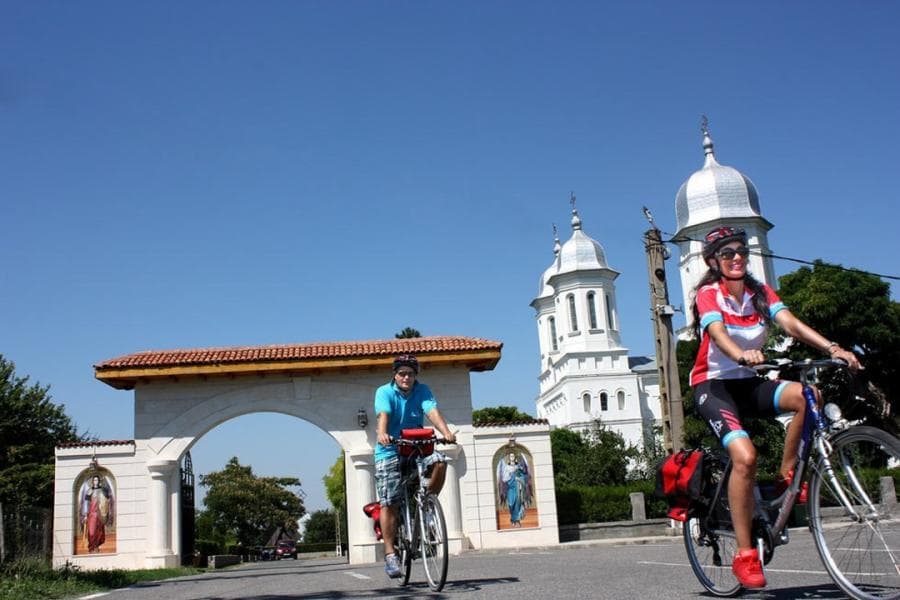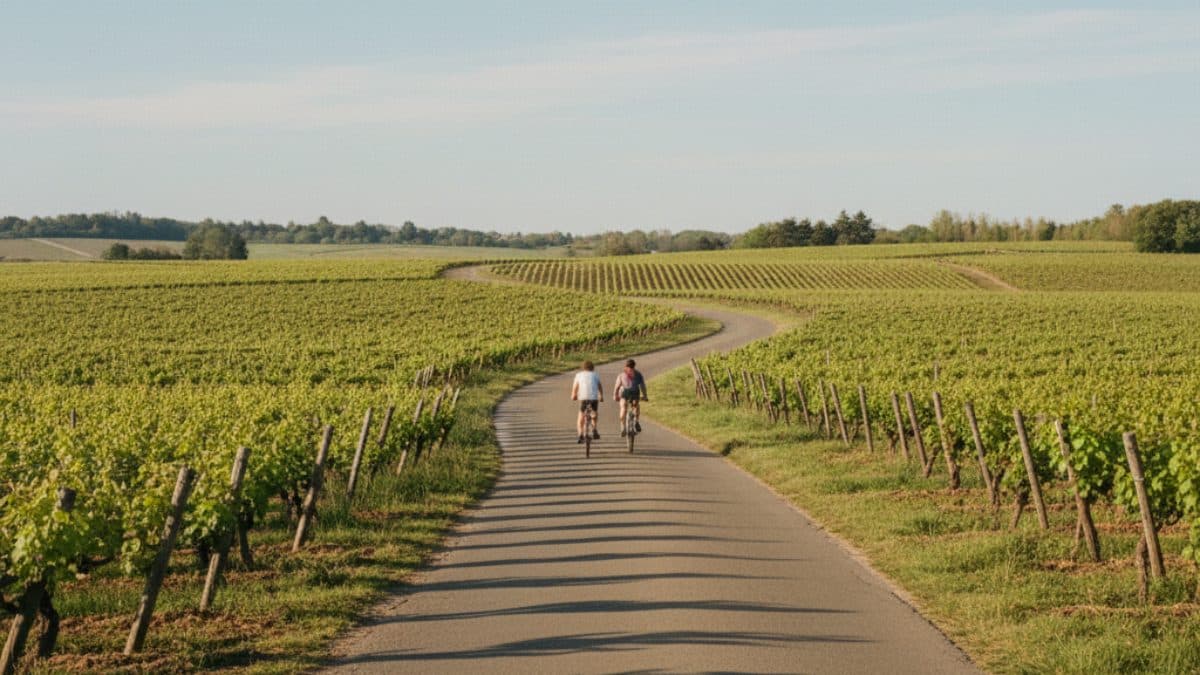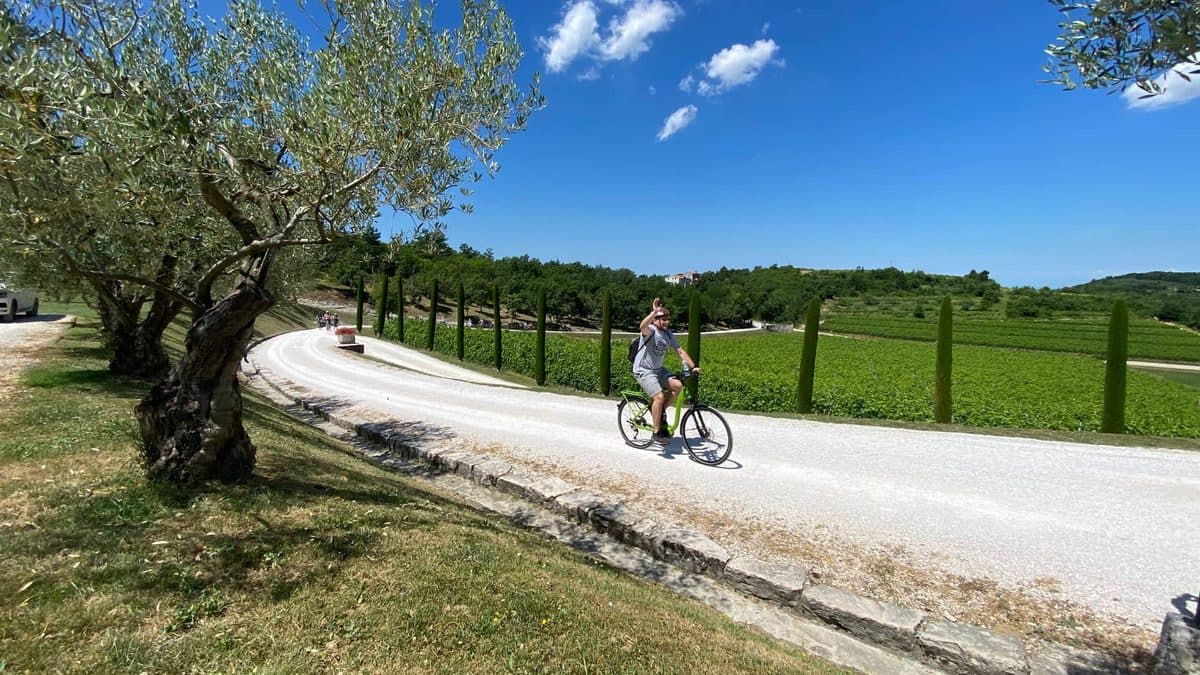
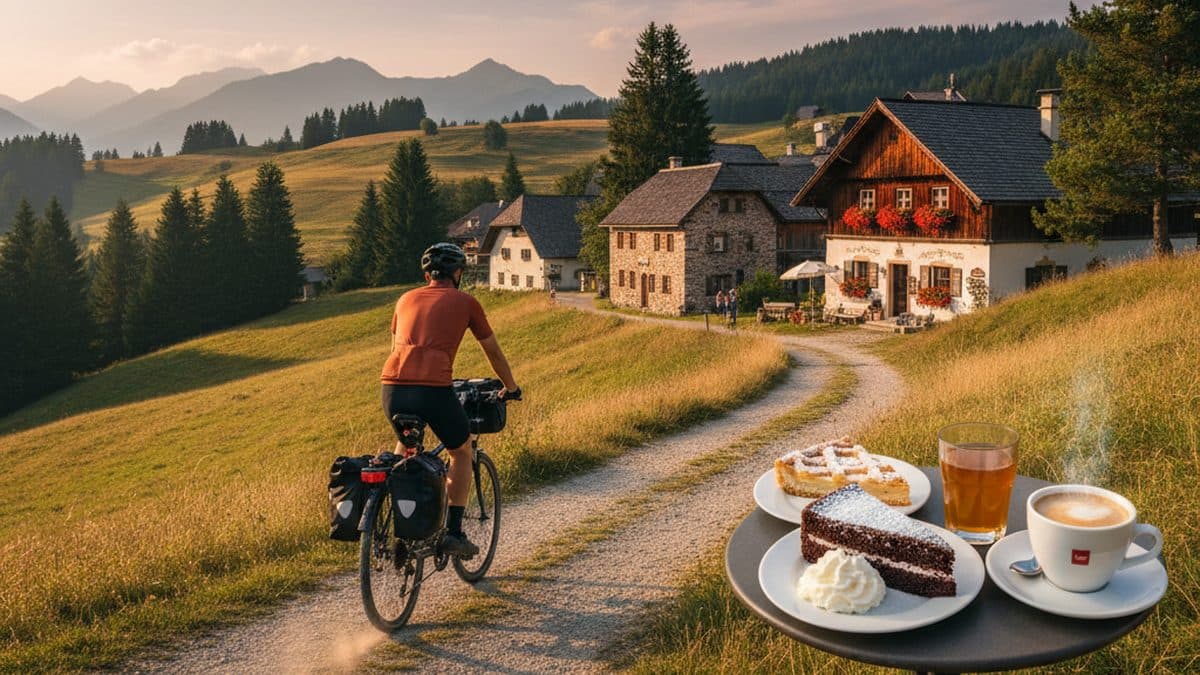
Austria may be famous for its Alpine passes and Danube views, but for many touring cyclists, the real highlight is the café culture. Austrian pastries are among the finest in the world, and the country's cycling routes pass through an almost unbroken chain of traditional coffeehouses, mountain huts, and village bakeries where a mid-ride stop becomes the centrepiece of the day. Plan your own café-hopping adventure with our self-guided cycling tours in Austria.
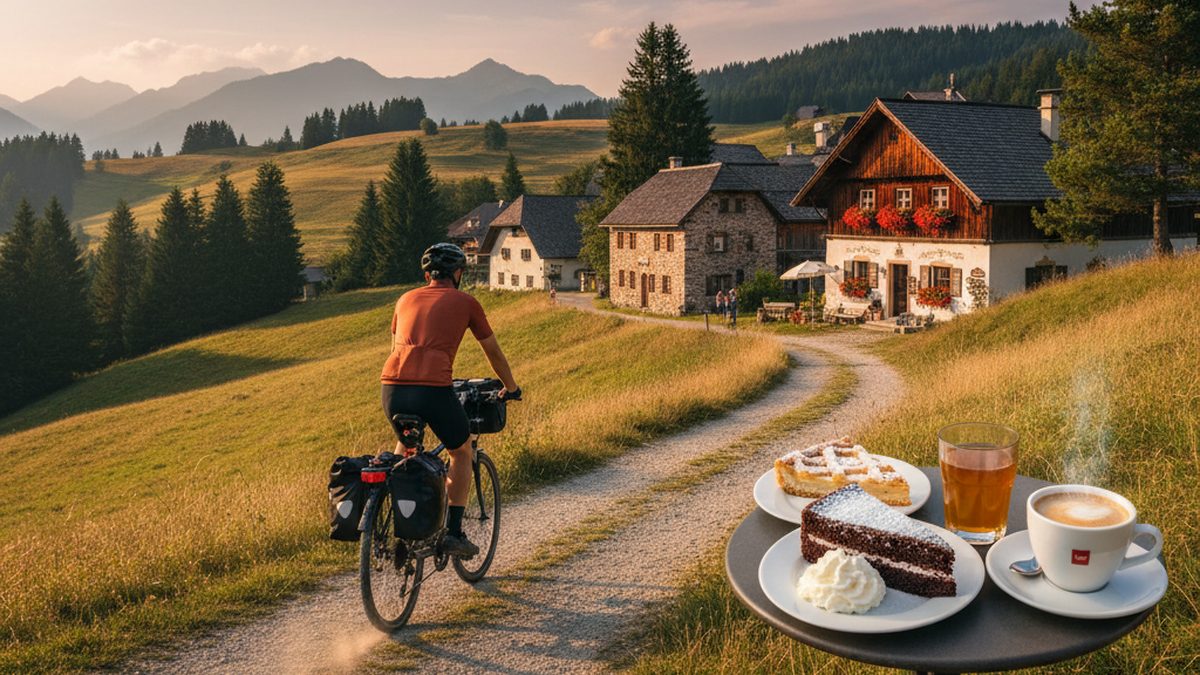
Sachertorte — Vienna's Iconic Chocolate Cake
No Austrian pastry guide starts anywhere other than the Sachertorte. Created in 1832 for Prince Metternich, this dense chocolate cake with a thin layer of apricot jam beneath the glaze is as much a cultural institution as a dessert. Cyclists riding along the Danube towards Vienna will find Sachertorte in virtually every café from Linz eastward, though purists insist on the original at Hotel Sacher or its long-standing rival Demel. The cake pairs surprisingly well with a post-ride coffee — the richness of the chocolate offsets the salt lost through hours of pedalling.
Apfelstrudel — The Perfect Mid-Ride Fuel
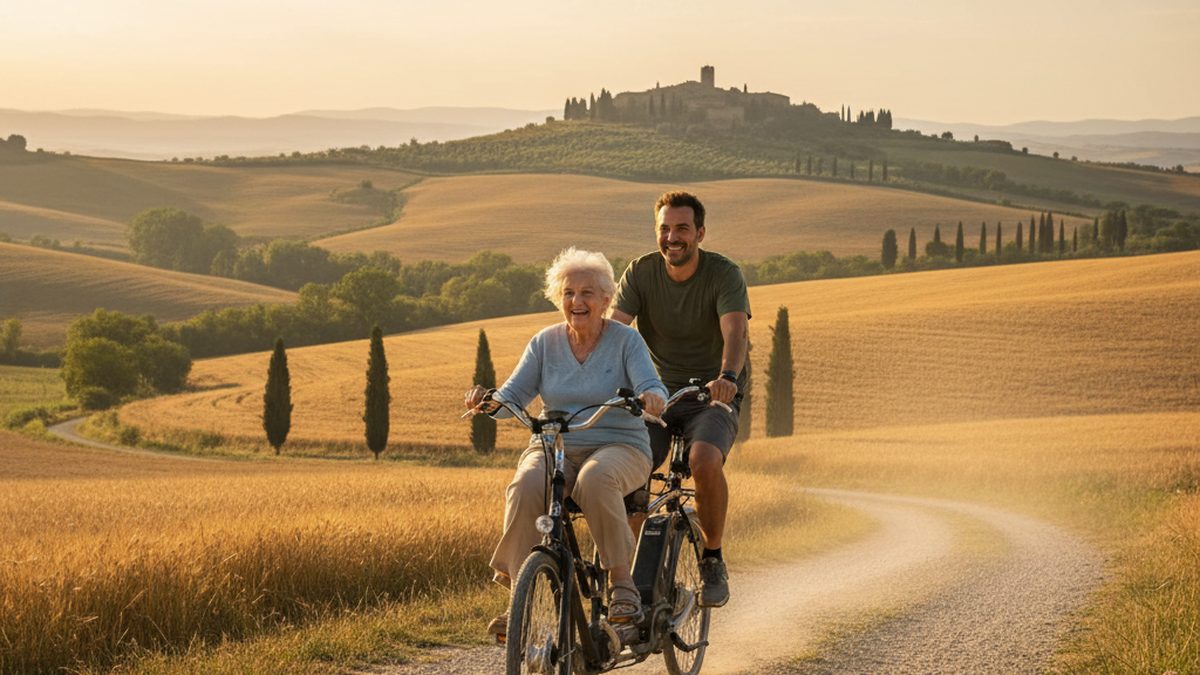
Apfelstrudel is perhaps the most cyclist-friendly of all Austrian pastries. Layers of paper-thin dough wrapped around spiced apple, raisins, and breadcrumbs, served warm with vanilla sauce or cream, it delivers exactly the sugar and carbohydrate hit you need after a morning in the saddle. Every Austrian region has its own variation — some add pine nuts, others use pear or quince instead of apple. The Wachau valley, a UNESCO World Heritage stretch of the Danube between Melk and Krems, produces particularly fine strudel thanks to the quality of the local apricots and apples.
Kaiserschmarrn — The Emperor's Mess
Kaiserschmarrn is a shredded pancake dusted with powdered sugar and served with plum compote. Legend has it that Emperor Franz Joseph's chef tore a failed pancake into pieces and the emperor loved it. Whatever the origin, it has become the signature dish of Alpine mountain huts. Cyclists riding through the Tyrol or the Adige Valley route will encounter it at nearly every lunch stop. It is substantial enough to serve as a main course on a cycling day, providing the energy for an afternoon of riding without the heaviness of a full meal.
Topfenstrudel and Powidltascherl — Lesser-Known Gems
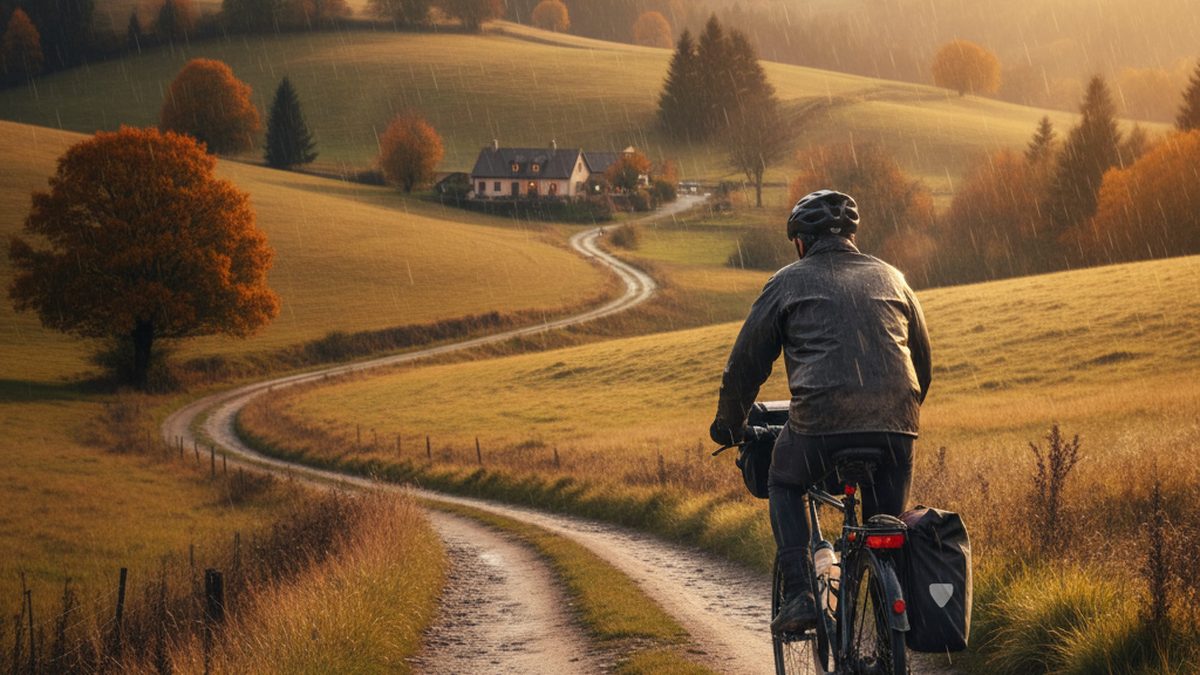
Beyond the famous three, Austrian bakeries offer dozens of pastries worth seeking out. Topfenstrudel replaces the apple filling with a sweet, creamy quark cheese mixture that is lighter and more refreshing. Powidltascherl — plum jam dumplings rolled in buttered breadcrumbs — are a specialty of Lower Austria and a revelation for anyone who has never tried them. Buchteln, soft yeast dumplings filled with jam and served with vanilla sauce, appear in traditional gasthauses across the country and provide the kind of comfort food that makes a rainy riding day feel worthwhile.
The Best Café Stops on Austria's Cycling Routes
The Danube cycle path from Passau to Vienna is lined with exceptional cafés. In the Wachau, stop at any of the small towns between Spitz and Dürnstein for strudel with a view of terraced vineyards. To stay longer, the Wachau Cycling Tour spends six days in the valley, riding out from Krems along the Danube, Kamp and Traisen rivers. In Salzburg, detour to Café Tomaselli, the oldest coffeehouse in the city — and a natural starting point for the Alpe Adria Classic ride to Grado. Along the Inn valley route through the Tyrol, mountain huts above the bike path serve Kaiserschmarrn with views of the Nordkette range. For cyclists heading south on the Adige route, the transition from Austrian café culture to Italian espresso culture happens gradually through South Tyrol, where the 100% Adige Cycle Path to Lake Garda lets you enjoy both traditions within a single day's ride.
Between Salzburg and Vienna, the Salzkammergut lake district is café country too — Bad Ischl, the old imperial summer resort, is famous for its traditional pastry shops. Both the Salzburg to Vienna Cycling Tour and the Salzburg to Vienna UNESCO Cycling Tour cross the Salzkammergut lakes before joining the Danube, so the strudel stops come with a lake view.
Frequently Asked Questions
Are Austrian cafés cyclist-friendly?
Very much so. Most Austrian cafés and gasthauses welcome cyclists and many have outdoor seating with bike parking nearby. Along popular cycling routes like the Danube, establishments actively cater to touring cyclists with water refill stations and hearty menus.
Will I gain weight eating pastries on a cycling tour?
Touring cyclists typically burn 2,000 to 3,000 calories per day on the bike, which more than compensates for even the most enthusiastic pastry consumption. Austrian pastries provide excellent cycling fuel — carbohydrates for energy, sugar for quick recovery, and the psychological boost of having something delicious to look forward to at every stop.
What is the best cycling route for Austrian pastry lovers?
The Danube cycle path from Passau to Vienna passes through the greatest concentration of traditional Austrian bakeries and coffeehouses. The Adige Valley route offers a blend of Austrian and Italian café culture as you ride south from the Tyrol to Lake Garda.
Can I find gluten-free pastries in Austria?
Awareness of dietary requirements has grown significantly in Austrian hospitality. Larger cities like Vienna and Salzburg have dedicated gluten-free bakeries, and many traditional establishments now offer at least one or two gluten-free options. Kaiserschmarrn can sometimes be made with gluten-free flour on request.
When is the best time to visit Austria for cycling and café culture?
May through September is ideal. Summer brings the longest days and warmest weather, but May and September offer fewer crowds and cooler riding temperatures. Christmas markets in November and December add a magical dimension to winter cycling, with Punschkrapferl and Lebkuchen joining the pastry lineup. Browse the full tour catalogue for Austrian cycling options.
Explore more Austrian rides: The Danube Family Tour from Passau to Linz is a gentle riverside ride through Upper Austria's pastry heartland, and the Alpe Adria Full Length from Salzburg to Trieste takes you from coffeehouse culture to Italian espresso bars on one continuous route.
Plan your café-cycling Austria trip. The classic Danube Cycle Path from Passau to Vienna passes the Wachau Valley wine taverns and Linz coffeehouses. For lake-and-pastry combinations, the Lake Constance (Bodensee) family tour rolls through Lindau, Bregenz and Konstanz — three of the most café-rich towns on the Austrian-bordering Bodensee.
For a cross-border café crawl, the Prague to Vienna Greenway rides from Czech coffee houses to Viennese Kaffeehäuser in eight days, while the eleven-day Grand Greenway adds Moravian towns with their own pastry traditions to the mix.