
As the days get shorter and darker, good bike lights stop being optional and become essential. Whether you commute after sunset or head out for a winter ride, the right lights keep you visible and let you see the road ahead. This guide explains what to look for when choosing bike lights for winter and how to set them up for maximum safety.
Why winter lighting matters more
In winter you often ride in the dark at both ends of the day, and rain, fog and low sun cut visibility for everyone on the road. A bright, reliable lighting set is the single most effective way to make yourself seen by drivers and to spot hazards like potholes, wet leaves and ice in time to react.
Front lights: seeing vs being seen
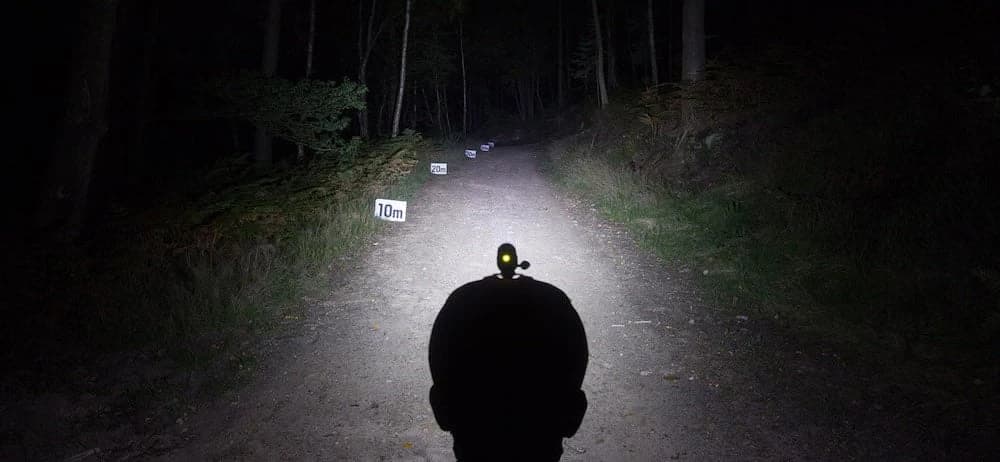
Front lights fall into two categories. A "be seen" light (roughly 100–300 lumens) is enough for well-lit urban streets where the goal is simply to be visible. A "see the road" light (600 lumens and up) is what you need on unlit roads or cycle paths, where the beam has to actually illuminate the surface ahead. For winter commuting a good middle ground is around 400–800 lumens, ideally with a wide beam so you light up the edges of the path, not just a narrow spot.
Rear lights: be impossible to miss
A red rear light is non-negotiable after dark. Look for at least 20–50 lumens, a wide angle of visibility, and a steady mode as well as a flashing one — many road codes prefer or require a steady light, while a gentle flash catches the eye. A second rear light on your bag or helmet adds a valuable backup.
Battery life and charging
Cold weather drains batteries faster, so check the runtime at the brightness you actually use, not the manufacturer's best-case figure. USB-rechargeable lights are convenient for daily use; carry a small power bank or a spare set on longer rides. If you ride every day, a dynamo hub that powers your lights as you pedal removes charging from the equation entirely.
Mounting, beam and extras
Choose lights with a secure, tool-free mount so you can remove them when you park. A cutoff or shaped beam avoids dazzling oncoming traffic. Side visibility — through side windows on the light body or reflective detailing — matters a lot at junctions. Round it out with reflective clothing and wheel reflectors; lights and reflectors work best together.
A quick winter checklist
Front light bright enough for your darkest stretch (400+ lumens off well-lit streets).
Steady red rear light, plus a flashing backup.
Fully charged before every ride; spare or power bank for long trips.
Secure mounts and good side visibility.
Reflective gear to complement, not replace, your lights.
Well lit and clearly visible, winter riding is safe and genuinely enjoyable. Explore our cycling tours to plan your next adventure once the days grow longer again.