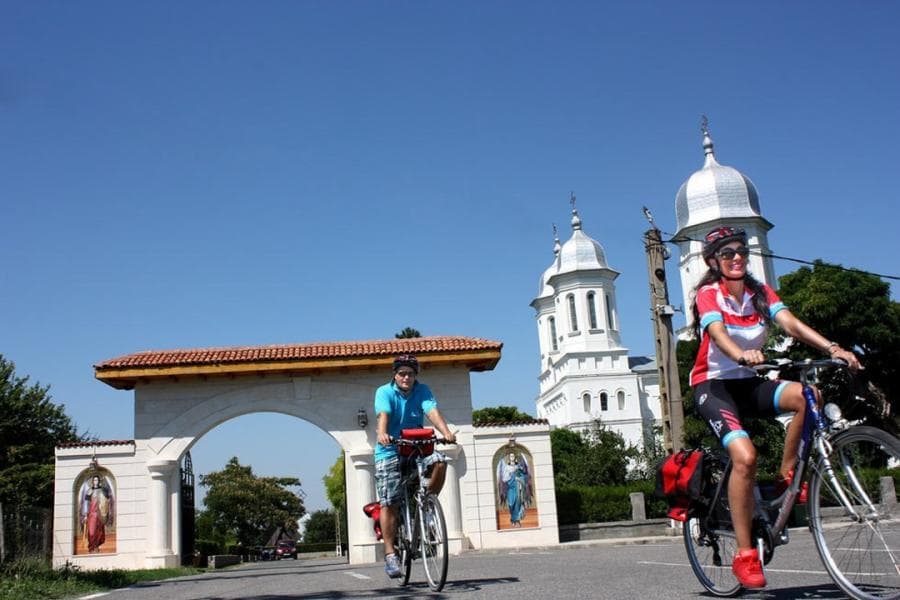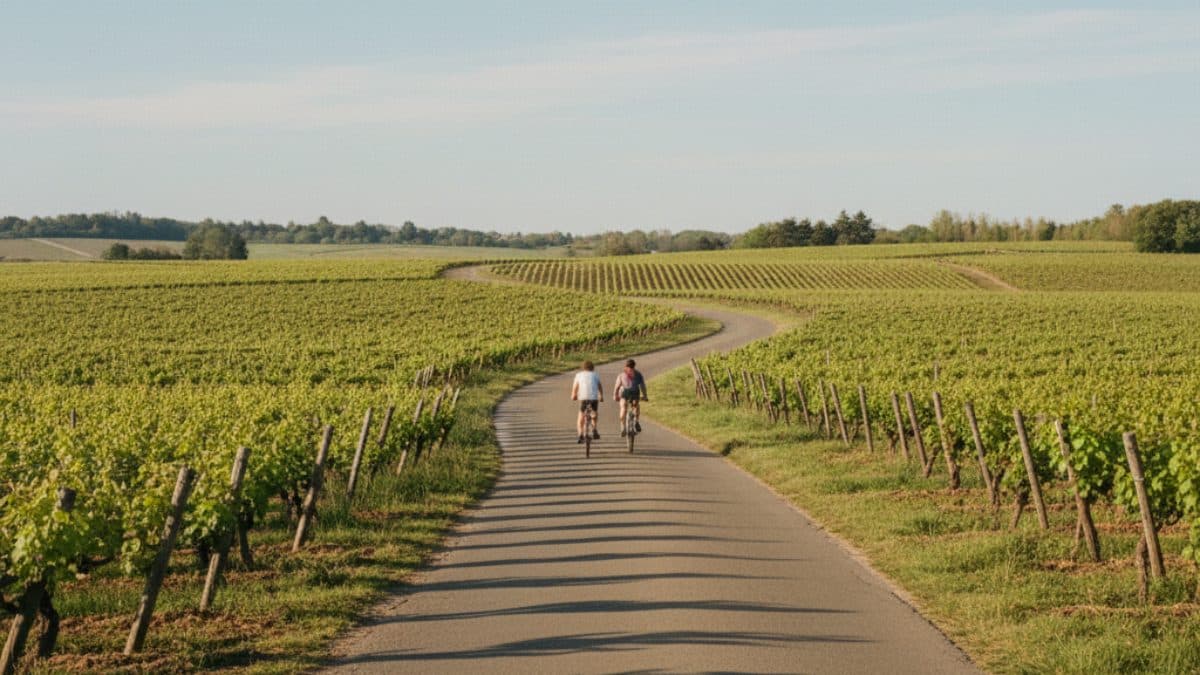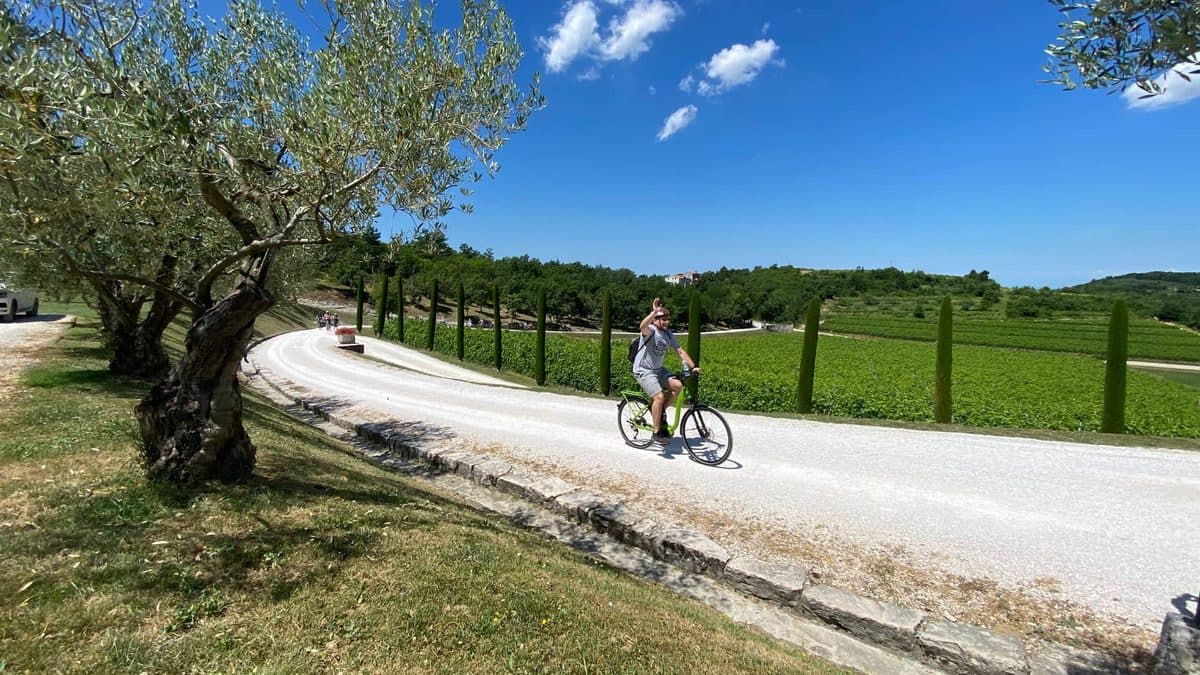
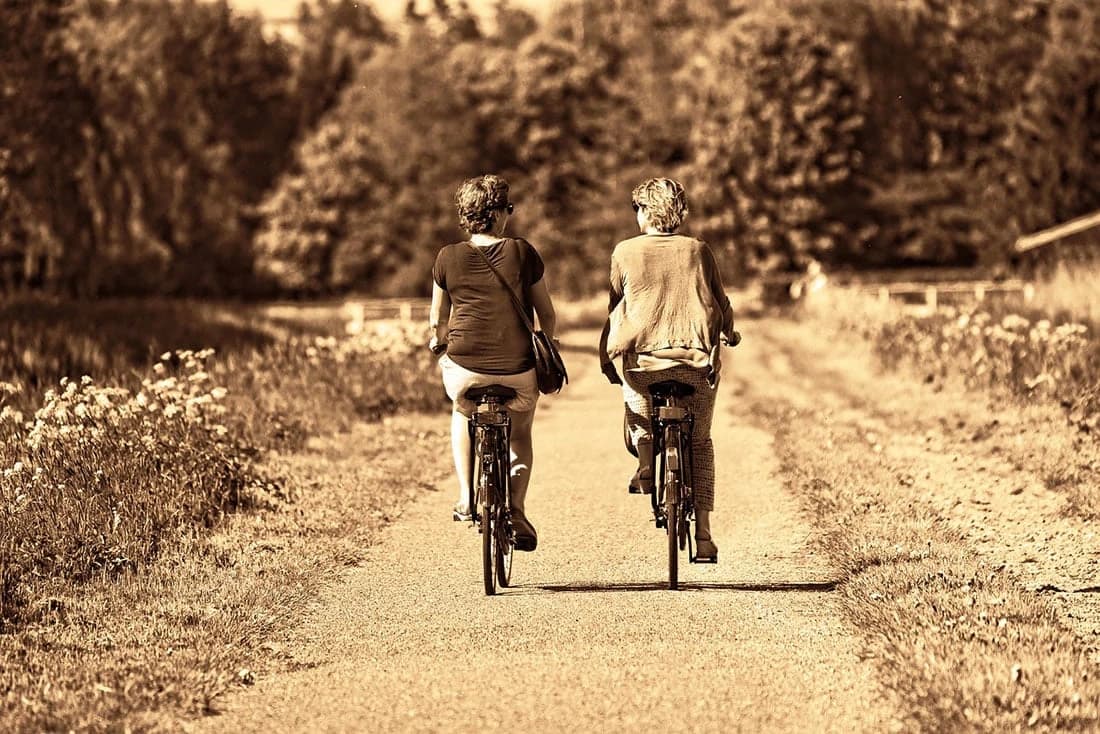
There is no right age to ride a bike. A three-year-old on a balance bike and a seventy-five-year-old on an e-bike share the same fundamental experience: the wind, the freedom, the world rolling past at a human pace. Cycling is one of the few sports that genuinely adapts to every stage of life, and bike touring is no exception. Whether you are planning a family trip with young children or a retirement adventure across Europe, there is a route and a bike that fits.
Children and Cycling: Building a Lifelong Habit
Most children can start riding a balance bike from age two or three, and transition to pedals by four or five. By age eight to ten, many children are ready for their first multi-day cycling tour — provided the route is flat, the daily distances are short, and the paths are car-free.
The Adige Family Tour from the Austrian border to Lake Garda is one of Europe's best family cycling routes. It follows dedicated cycle paths with a gentle downhill gradient over 192 km in 8 days — roughly 25 km per day. Children aged ten and above can handle this comfortably, and the route passes apple orchards, castle ruins, and ends with a swim in the lake.
The Trabocchi Coast in Abruzzo is another excellent choice for families. The flat, car-free cycle path along the Adriatic makes it safe and enjoyable for younger riders.
Cycling at a young age builds cardiovascular fitness, coordination, and confidence. More importantly, it creates positive associations with physical activity and outdoor exploration that last a lifetime.
Cycling in Your 20s and 30s: Adventure and Endurance
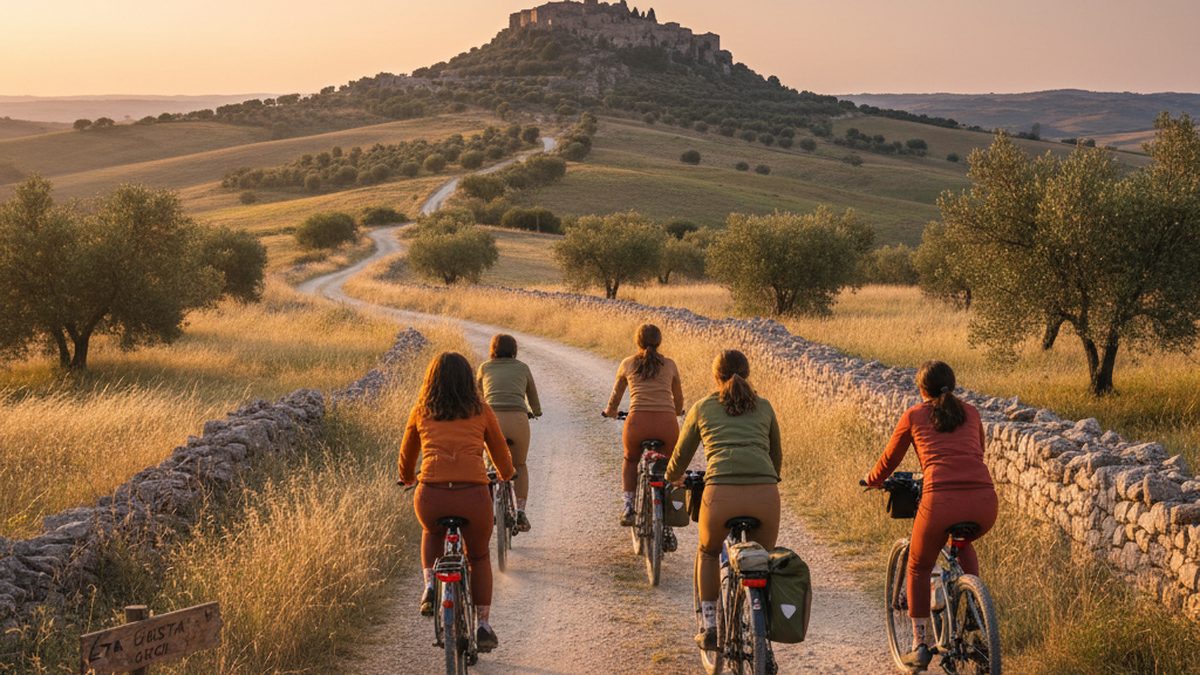
Young adults often have the fitness for more demanding routes. This is the time to tackle coastal climbs along the Italian Riviera from Nice to Genoa, or the varied terrain of the Dolomites to Trieste route, which crosses three countries over 395 km.
For couples, cycling tours offer a shared adventure that strengthens relationships. The rhythm of riding together, discovering new places, and sharing meals in unfamiliar towns creates memories that a beach holiday cannot match. Routes through Puglia or along the Istrian coast combine physical challenge with exceptional food and wine.
Cycling in Your 40s and 50s: The Sweet Spot
Many cycling tour operators report that their most common customers are between 45 and 65. There is a good reason: this age group often has the time, the financial freedom, and the appreciation for slow travel that cycling demands. Fitness levels vary widely, but the availability of e-bikes has eliminated physical ability as a barrier.
Moderate routes through Umbria or along the Loire Valley offer the perfect balance — enough riding to feel accomplished, with cultural depth and outstanding food at every stop. Self-guided tours let you set your own pace: ride 60 km on days you feel strong, take a shortcut when you do not.
This is also the age when cycling delivers its greatest health benefits. Regular cycling reduces the risk of heart disease, manages weight, strengthens joints without the impact of running, and improves mental health. A week-long cycling tour is both a holiday and an investment in your body.
Cycling After 60: E-Bikes Changed Everything
The e-bike revolution has opened cycling tourism to people who might have thought their touring days were behind them. An e-bike provides pedal assistance that flattens hills and extends range, allowing riders in their 60s, 70s, and beyond to enjoy routes that would otherwise require high fitness levels.
Nearly all self-guided tours on Life on a Bike offer e-bike upgrades. A route like the Adige Valley, which is mostly downhill, becomes effortless on an e-bike. Even hillier routes through Puglia or Umbria become manageable when the motor takes the edge off the climbs.
The key for older cyclists is to choose routes with shorter daily distances (30–50 km), good road surfaces, and accommodation with proper rest facilities. Recovery takes longer after 60, so rest days and shorter stages matter more than they did at 30.
The Cycling Without Age Movement
For those who can no longer pedal at all, the "Cycling Without Age" movement proves that the joy of cycling truly has no age limit. Founded in Copenhagen, this global initiative uses specially designed cargo bikes — called trishaws — to take elderly people on rides through their neighbourhoods and beyond.
A volunteer pilot pedals from the rear while two passengers sit in comfortable front seats, feeling the wind and watching the world go by. The project now operates in over 50 countries, from Europe to Australia, bringing the simple pleasure of a bike ride to people in care homes and assisted living facilities.
Frequently Asked Questions
What age can children start cycling tours?
Most family cycling tours are designed for children aged 10 and above who can ride 30–50 km per day on flat terrain. Some operators offer child seats or trailers for younger children. The Adige Family Tour and Trabocchi Coast are the best options for families.
Is cycling safe for people over 70?
Yes, provided you choose an appropriate route and pace. Flat routes on dedicated cycle paths are ideal. E-bikes reduce physical strain significantly. Consult your doctor before a multi-day tour if you have heart or joint conditions.
Do I need to be fit to do a cycling tour?
Not necessarily. Easy routes like the Trabocchi Coast cover only 25–30 km per day on flat paths. E-bikes are available on most tours and reduce the effort needed on hills. A reasonable baseline fitness — being able to cycle for 2–3 hours comfortably — is sufficient for beginner routes.
What is the best cycling tour for retirees?
The Minho family bike route is excellent for retirees: mostly downhill, dedicated cycle paths, beautiful Alpine scenery, and manageable daily distances. The Trabocchi Coast is another great option with flat, coastal riding.
How does an e-bike help older cyclists?
An e-bike provides electric assistance when you pedal, reducing the effort needed on hills and headwinds by 50–70%. You still pedal and get exercise, but the motor prevents exhaustion. Battery range on modern e-bikes is 60–100 km per charge, more than enough for a day of touring.
Can couples with different fitness levels cycle together?
Absolutely. The simplest solution is for the less fit partner to ride an e-bike while the other rides a standard bike. This equalises speed and effort, allowing you to ride side by side and enjoy the tour together. Many couples on self-guided tours use this approach successfully.