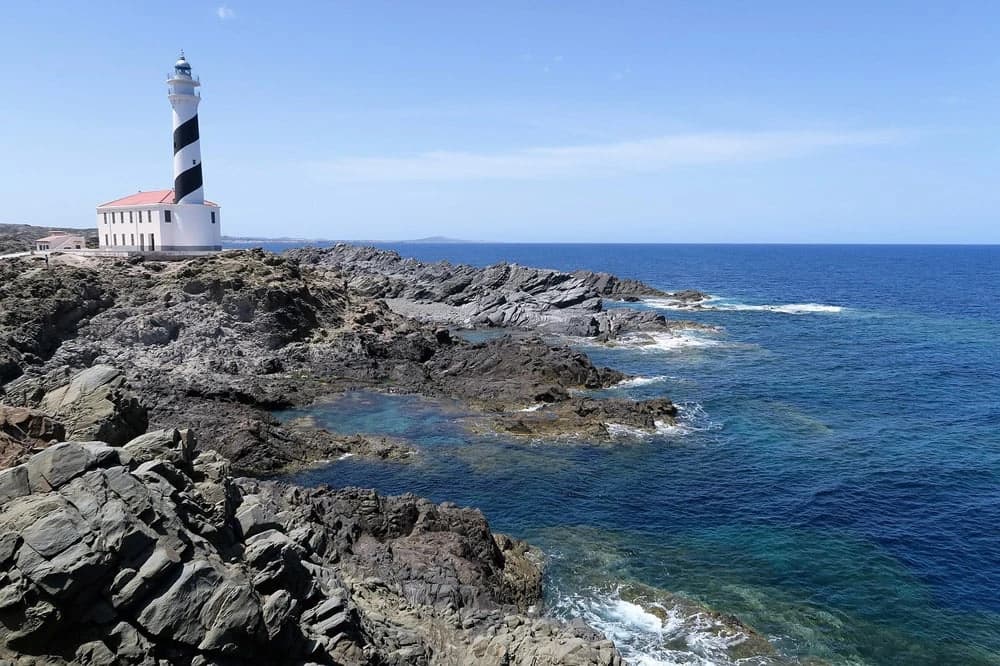
Menorca is the quieter, slower sibling of Mallorca — and that is precisely what makes it such a rewarding cycling destination. A UNESCO Biosphere Reserve since 1993, this small Balearic island combines turquoise coves, rolling farmland, and a remarkably well-preserved artisan culture that rewards exploration by bicycle. While Mallorca draws the road cycling crowds, Menorca offers something different: a chance to ride at a gentler pace and discover workshops, markets, and traditions that have survived centuries of change. The same slower pace runs through the Costa Blanca and Lanzarote routes in our cycling tours in Spain.
Why Menorca Is Perfect for Cycling
Menorca is just 50 km long and 17 km wide, making it possible to explore the entire island over a few days of relaxed riding. The terrain is gently rolling — nothing like the mountain passes of Mallorca — with quiet rural roads connecting whitewashed villages, stone-walled fields, and hidden beaches. Traffic is light, especially outside the main towns of Maó and Ciutadella.
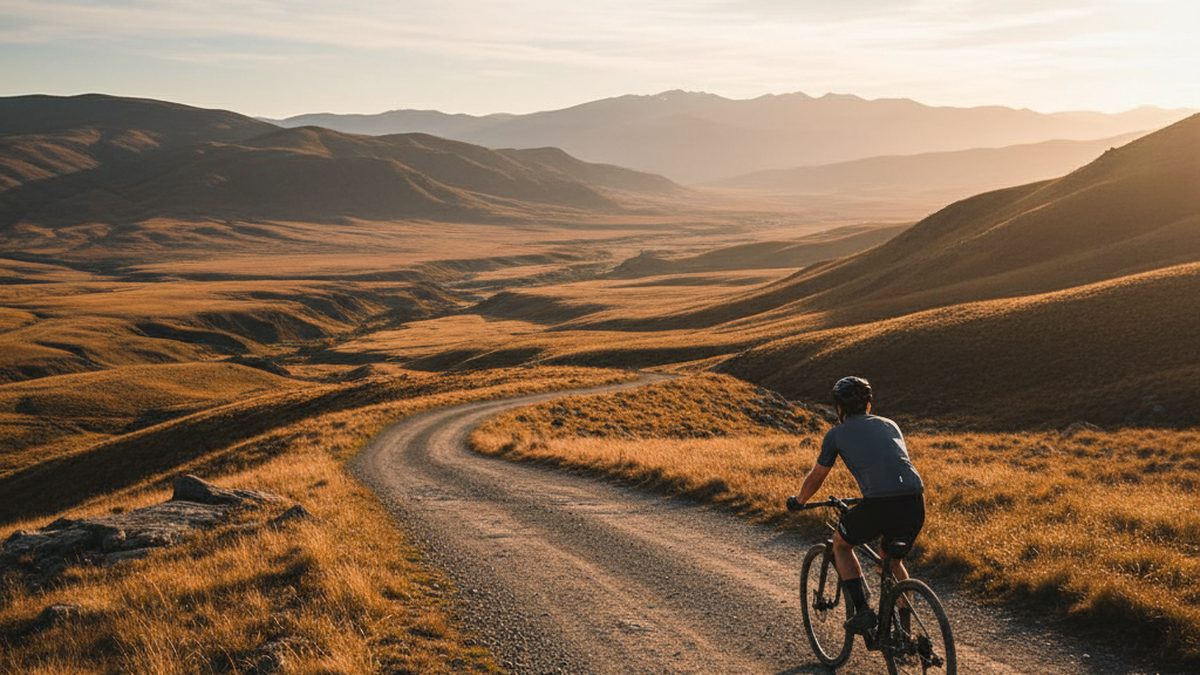
The Camí de Cavalls, a historic coastal path that circles the entire island (185 km), has been restored as a hiking and cycling trail. While some sections are rocky and better suited to mountain bikes or gravel bikes, much of it offers spectacular coastal riding with the Mediterranean always in view. For road cyclists, the interior roads through farmland and villages are quiet and well-surfaced.
Traditional Leather Sandals: The Abarcas Menorquinas
Menorca's most famous craft export is the abarca — a simple, elegant leather sandal that has been handmade on the island for centuries. Originally worn by farmers, these sandals became a fashion staple across Spain and beyond while remaining an everyday item in Menorca. Several workshops in Ciutadella and Alaior still produce them by hand, and watching an artisan cut and stitch a pair takes only a few minutes but reveals a level of skill built over generations.
The best way to visit these workshops is by bike: park outside, step inside, and ride on to the next village. A morning ride from Ciutadella through Ferreries to Alaior covers about 25 km and passes several leather workshops along the way.
Pottery and Ceramics
Menorca's pottery tradition reflects its Mediterranean position — simple, functional forms influenced by centuries of Spanish, British, and Moorish occupation. Local potters work with the island's red clay to produce plates, bowls, and decorative tiles. Several studios in the interior villages welcome visitors, and seeing the pieces being shaped and fired adds context that a shop purchase cannot match.
Weaving, Jewellery and Glasswork
Textile weaving on traditional looms persists in a handful of workshops, producing scarves, blankets, and tapestries from local wool and cotton. Menorca also has a distinctive jewellery tradition, particularly in silver and cultivated pearls. And in Ciutadella, a glass-blowing workshop demonstrates a craft that arrived with the Venetians and never left.
These smaller workshops are scattered across the island in villages that most tourists never reach — but a cyclist on a quiet road will ride right past them. Keep an eye out for hand-painted signs pointing down side lanes.
Markets and Where to Find Artisan Goods
The weekly markets are the best places to see Menorca's crafts gathered in one place. Ciutadella's Friday market fills the old town squares with leather goods, pottery, local cheese (Queso de Maón), and honey. Maó's market runs on Tuesdays and Saturdays. In summer, evening artisan markets pop up in smaller villages — Es Mercadal, Ferreries, and Sant Lluís all host them on rotating nights.
Arriving by bike means you avoid the parking chaos that plagues market days and can carry your purchases in a pannier bag instead of fighting through crowds with shopping bags.
Cycling Routes That Pass Artisan Villages
A three-day cycling loop covers the island's highlights comfortably. Start in Maó, ride west through the interior villages (Es Mercadal, Ferreries, Es Migjorn Gran) to Ciutadella, then return along the southern coast road. Total distance: roughly 120–140 km depending on detours.
Key stops along the way include the Monte Toro viewpoint (the island's highest point at 358m — a short but rewarding climb), the Naveta d'es Tudons (a prehistoric burial monument older than Stonehenge), and the Cala Macarella beach, accessible by a short walk from the road.
If Menorca inspires you to explore more Mediterranean islands by bike, consider browsing our self-guided cycling tours in Spain or our full tour collection for cycling routes across Europe, or learn how self-guided tours work.
Frequently Asked Questions
Is Menorca good for cycling?
Yes. Menorca is flat to gently rolling, with quiet roads and light traffic. The island is small enough to cross in a day, making it ideal for relaxed multi-day exploration. The Camí de Cavalls coastal path offers 185 km of off-road riding for mountain and gravel bikes.
What is the best time to cycle in Menorca?
April to June and September to October are ideal. Summer (July–August) is hot (30°C+) and busy. Spring and autumn offer temperatures of 18–25°C with fewer tourists and lower prices. Many artisan workshops are open year-round but have extended hours in summer.
Can I rent a bike in Menorca?
Yes. Several rental shops in Maó and Ciutadella offer road bikes, mountain bikes, and e-bikes. For the Camí de Cavalls, a mountain bike or gravel bike is recommended due to rocky sections. Booking in advance during summer is advisable.
What are Abarcas Menorquinas?
Abarcas are traditional handmade leather sandals produced in Menorca for centuries. Originally farmers' footwear, they are now a popular fashion item. Workshops in Ciutadella and Alaior still make them by hand. Prices range from €25–60 for an authentic pair.
How do I get to Menorca?
Menorca has an international airport (MAH) with direct flights from major European cities, especially in summer. Ferries run from Barcelona and Mallorca to the port of Maó. Both the airport and ferry terminal are within easy cycling distance of the capital.
Cycling tours in Spain. Lifeonabike doesn't currently run a Menorca-specific tour, but the Spanish catalogue includes the Costa Blanca route from Alacant to Valencia, the inland Valencia: Land of Contrasts, and the unique volcanic Lanzarote tour in the Canary Islands.