Some cycling routes feel like pedaling through a storybook. The combination of dramatic coastlines, ancient castles, endless forests, and villages untouched by time creates an atmosphere that goes beyond ordinary travel. These five European destinations offer exactly that kind of magic — each with landscapes so vivid they seem almost fictional.
Cornwall, England: King Arthur's Coast
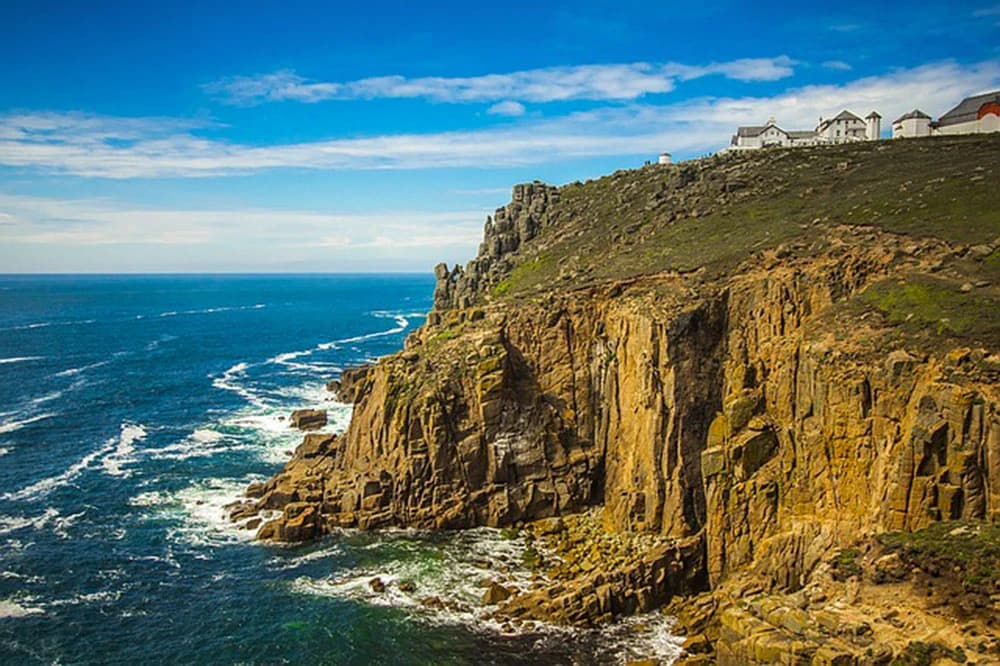
Cornwall has been the backdrop for legends since before anyone wrote them down. The jagged cliffs, hidden coves, and wild Atlantic Ocean create a landscape that feels ancient and untamed. This is the land of King Arthur and Tintagel, of smugglers' caves and standing stones older than the pyramids.
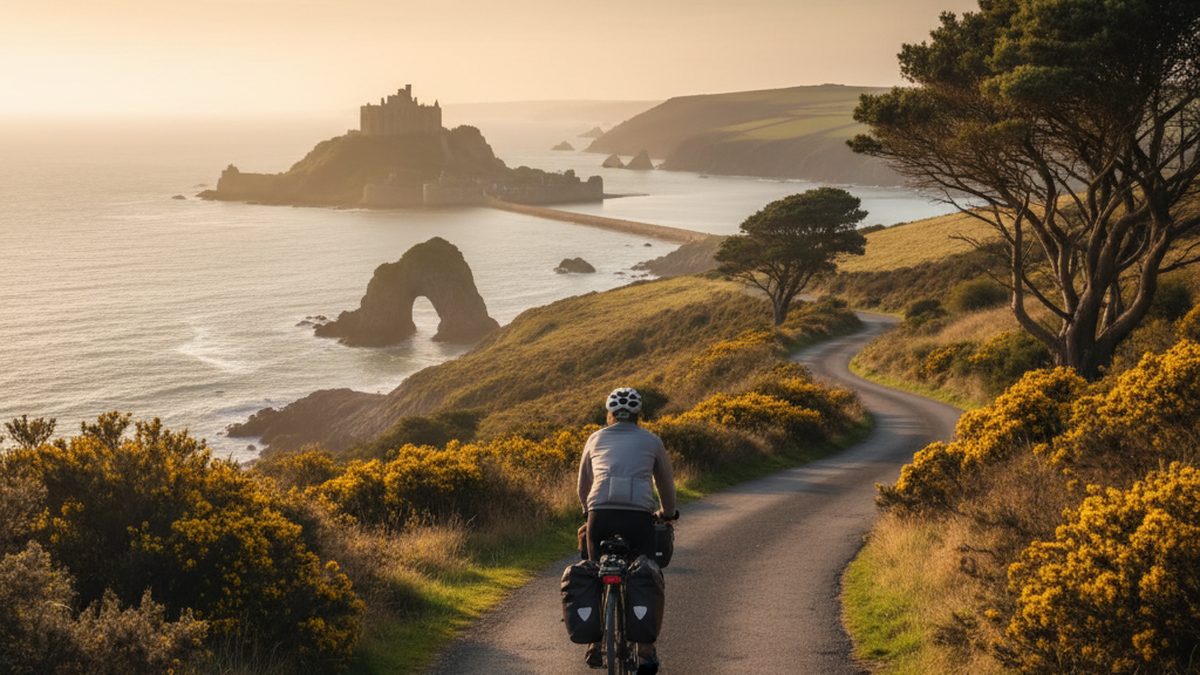
A cycling route through Cornwall typically starts from Truro, the county's capital, and loops south through the Lizard Peninsula — the southernmost point of mainland Britain — before heading west to St Michael's Mount (a tidal island with a medieval castle) and Land's End, where England literally runs out. The roads are narrow and hilly, the villages are made of grey stone, and the sea is never far away.
The riding is moderately challenging due to the rolling coastal terrain, but the rewards are constant: cream teas in fishing villages, wild swimming in turquoise coves, and sunsets over the Atlantic that turn the whole sky pink.
Eastern Finland: Midnight Sun and Silent Lakes
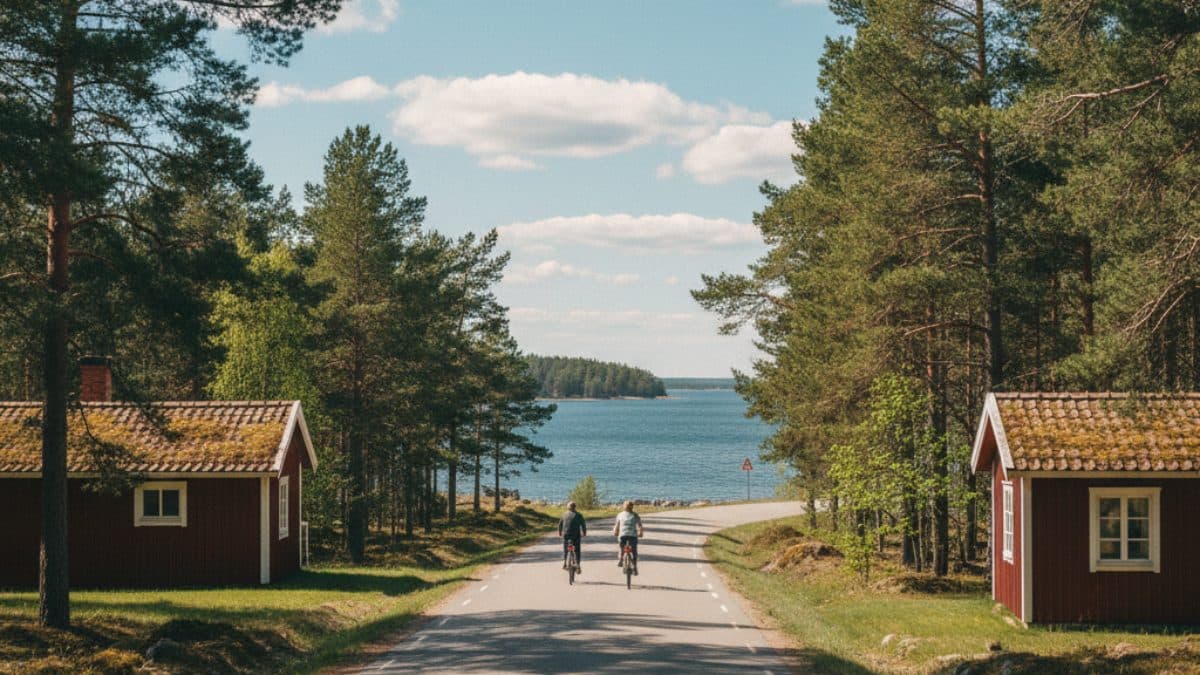
Finland in summer offers something no other cycling destination can match: sunlight that never ends. North of the Arctic Circle, the sun stays above the horizon for weeks. Even in eastern Finland, around the lake region, summer nights are a luminous twilight that transforms the landscape into something dreamlike.
The cycling routes around Kajaani, Vuokatti, and Kuhmo follow quiet roads through vast forests of birch and pine, skirting the edges of hundreds of silvery lakes. The light reflects off the water with an almost metallic quality, and the silence is extraordinary — you will hear your tyres on the road, birdsong, and nothing else.
This is also brown bear territory. Finland has one of Europe's healthiest bear populations, and while encounters while cycling are extremely rare, the knowledge that you are sharing the forest with these animals adds a genuine sense of wilderness that few European destinations can offer.
Bavaria, Germany: Castles and Alpine Lakes
Bavaria is fairy-tale cycling in the most literal sense. King Ludwig II built his fantasy castles here in the 19th century, and the landscape he chose — Alpine meadows, deep blue lakes, and forested mountains — deserves every bit of the royal attention. Neuschwanstein Castle, the inspiration for Disney's Sleeping Beauty castle, is the most famous, but the region is dotted with lesser-known gems.
A cycling route from Bad Hindelang through the Hinterstein Valley passes Falkenstein Castle and Hohenschwangau Castle, with the Alps rising dramatically behind. The roads are well-maintained and the cycling infrastructure is excellent — this is Germany, after all. The combination of mountain scenery, Gothic architecture, and impeccable beer gardens makes Bavaria one of Europe's most satisfying cycling regions.
For a longer Alpine cycling experience, consider routes through the Dolomites to Venice road bike tour or the Dolomites to Trieste, which share Bavaria's mountain grandeur with added Italian warmth.
Ireland: Green Valleys and Celtic Legends
Ireland's landscape is so intensely green that it looks digitally enhanced in photographs. The rolling hills, stone walls, ruined abbeys, and moody skies create an atmosphere that belongs to a different century. This is the homeland of leprechauns, fairy forts, and stories told over pints of stout in pubs where the fire never goes out.
A cycling route through the Irish countryside takes you past the Hill of Tara — the ancient seat of the High Kings of Ireland — through villages where every second building is a pub, and along coastal roads where the Atlantic crashes against cliffs that drop hundreds of metres into the sea. The Wild Atlantic Way is one of the world's great coastal roads, and while the full route is 2,500 km, shorter cycling sections offer concentrated doses of Ireland's dramatic beauty.
Be prepared for rain. Ireland's weather is unpredictable, but the light after a rain shower — when the sun breaks through clouds and turns every field into a glowing emerald — is the reason painters have been coming here for centuries.
Jersey, Guernsey and Sark: The Channel Islands
The Channel Islands sit in the English Channel just off the coast of Normandy, belonging to the British Crown but feeling like neither Britain nor France. Jersey, the largest island, offers coastal cycling past dramatic cliffs, sandy bays, and World War II fortifications built into the rock. Guernsey is smaller and quieter, with colourful fishing ports and flower-covered lanes.
But it is Sark that truly earns the fairy-tale label. This tiny island has no cars, no street lights, and no airport. Transport is by horse-drawn carriage, bicycle, or on foot. The silence at night is absolute — Sark is officially a Dark Sky Island, one of the best places in Europe for stargazing. Cycling on Sark feels like stepping back 150 years, and the experience is unforgettable.
The islands are accessible by ferry from Saint-Malo in Brittany. If you are already exploring the French coast, a cycling tour in Brittany makes a natural companion to a Channel Islands visit.
Frequently Asked Questions
Which of these destinations is best for beginner cyclists?
The Channel Islands are the most accessible for beginners. Jersey and Guernsey are small and relatively flat, with short daily distances. Sark is car-free, making it completely safe for cycling. Bavaria is also manageable, especially along the river valleys rather than mountain routes.
When is the best time to visit Finland for cycling?
June and July are ideal. The midnight sun provides near-constant daylight, temperatures are comfortable (15–25°C), and the forests and lakes are at their most beautiful. The cycling season in eastern Finland runs from May to September.
Is Cornwall suitable for family cycling?
Cornwall has some family-friendly routes, particularly along converted railway lines like the Camel Trail. However, the coastal roads are hilly and narrow, so the main touring routes are better suited to experienced cyclists. Families with older children (12+) who enjoy a challenge will love it.
Do I need a car to get between the Channel Islands?
No. Regular ferry services connect Jersey, Guernsey, and Sark. Bikes are welcome on all ferries. Most visitors spend 2–3 days on each island before taking the ferry to the next. Booking ferries in advance during summer is recommended.
Can I do self-guided cycling tours in these destinations?
Yes. Self-guided tours with pre-booked accommodation, luggage transfer, and GPS routes are available in Cornwall, Bavaria, Ireland, and the Channel Islands. Finland has fewer organised options but excellent cycling infrastructure for independent touring. Browse our full tour catalogue for available routes.