
The Algarve is where Portugal meets the Atlantic, and where some of Europe's best seafood meets some of its best cycling. The Ecovia do Litoral — a 215 km cycle route running the full length of the southern coast — connects fishing villages, golden beaches, and dramatic clifftop viewpoints, with a different regional speciality waiting at every lunch stop. For cyclists who believe that a great ride and a great meal are equally important, the Algarve delivers on both counts.
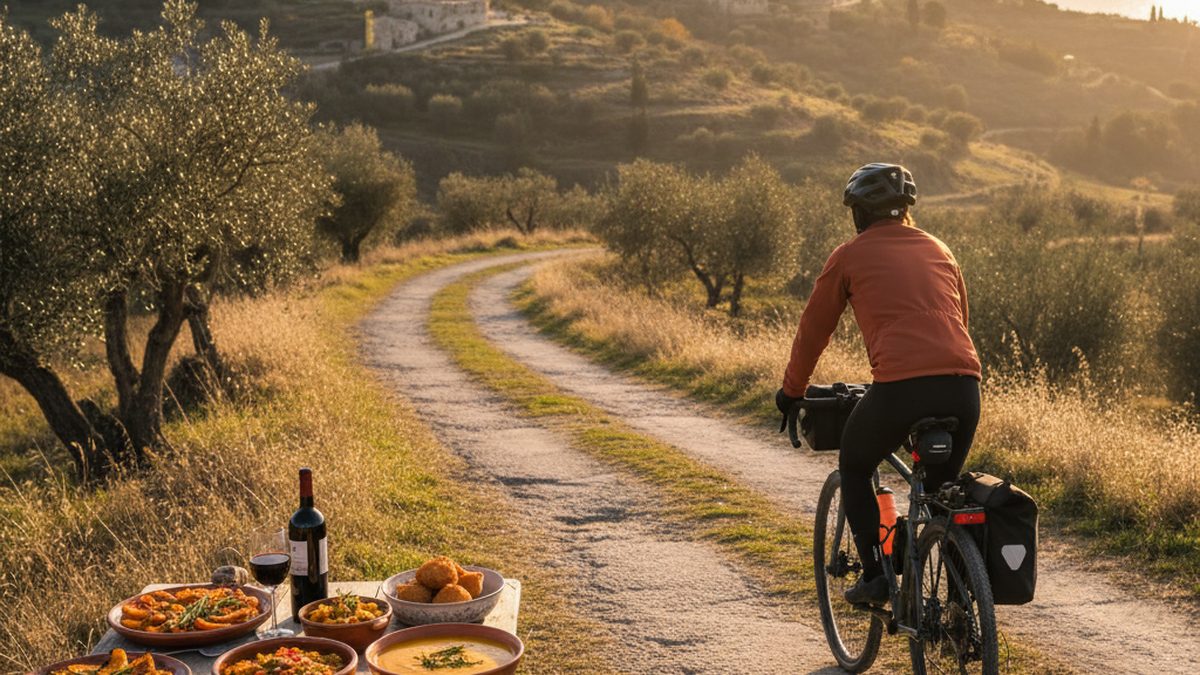
The Ecovia do Litoral: Portugal's Coastal Cycle Route
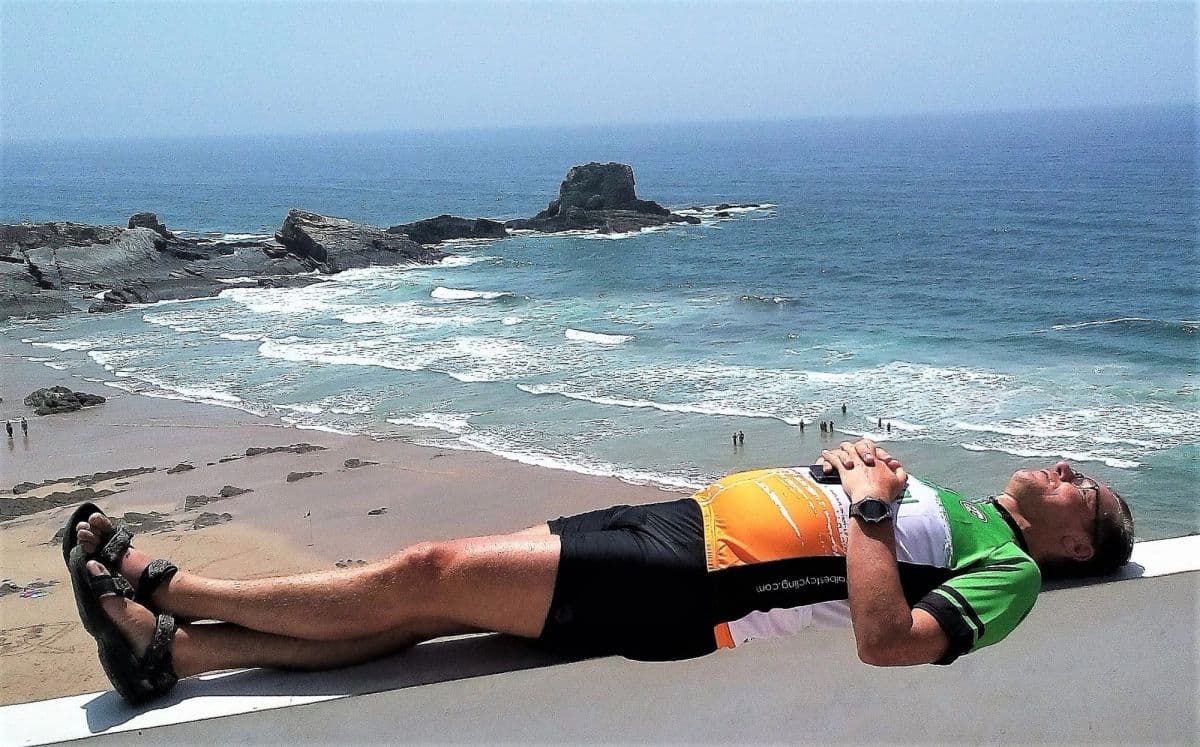
The Ecovia do Litoral runs from Vila Real de Santo António on the Spanish border to Cabo de São Vicente, the southwestern tip of mainland Europe. The route uses a mix of dedicated cycle paths, quiet coastal roads, and sections along the clifftops, offering views that alternate between wide sandy beaches, rocky coves, and the open Atlantic.
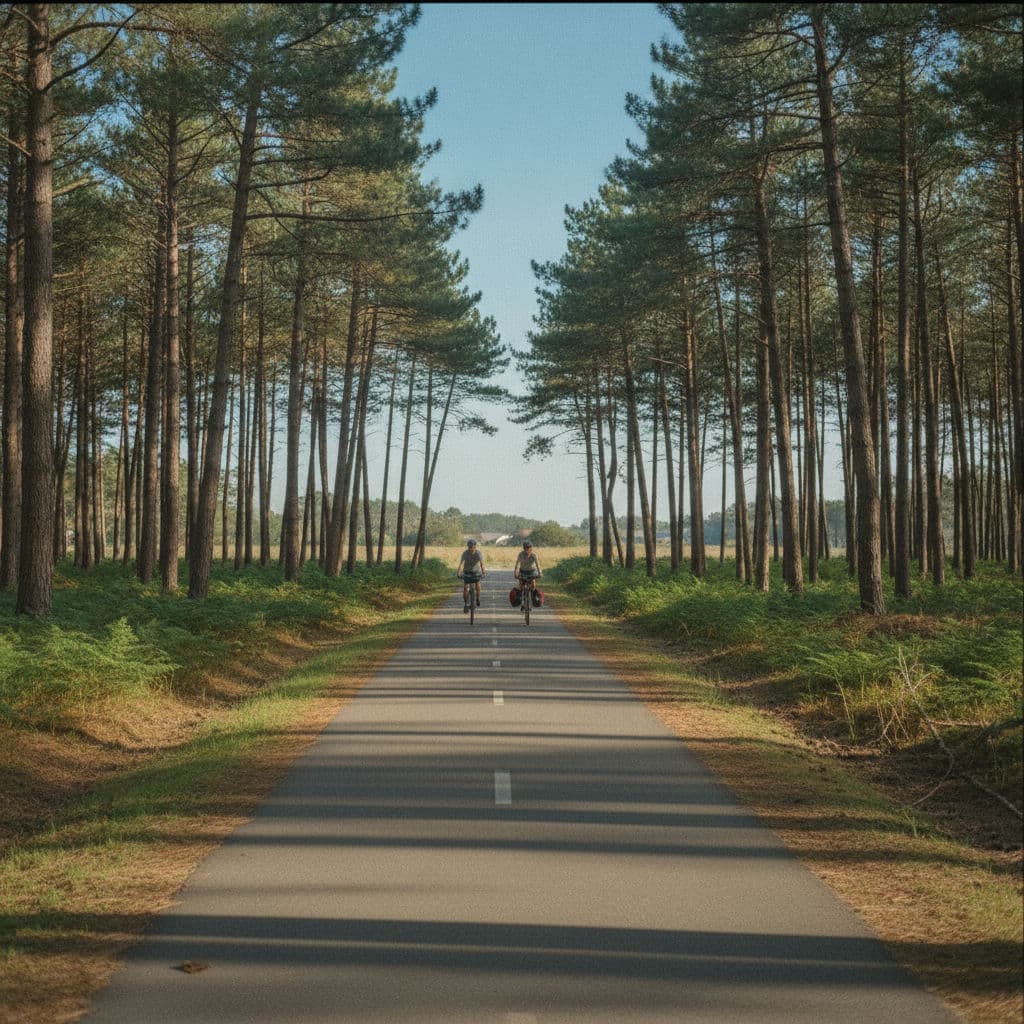
The terrain is mostly flat to gently rolling, making it accessible to cyclists of all levels. Daily stages of 30–50 km leave plenty of time for beach stops, village exploration, and — most importantly — long lunches. The route passes through several distinct zones: the marshlands of the Ria Formosa near Faro, the resort coast around Albufeira, the quieter western Algarve near Aljezur, and the wild, windswept cliffs of the Costa Vicentina, which you can ride off-road on our Alentejo and Vicentina Coast mountain bike tour or as a self-guided coastal journey on our Wild Algarve Cycling Tour.
Ameijoas na Cataplana: The Algarve's Signature Dish
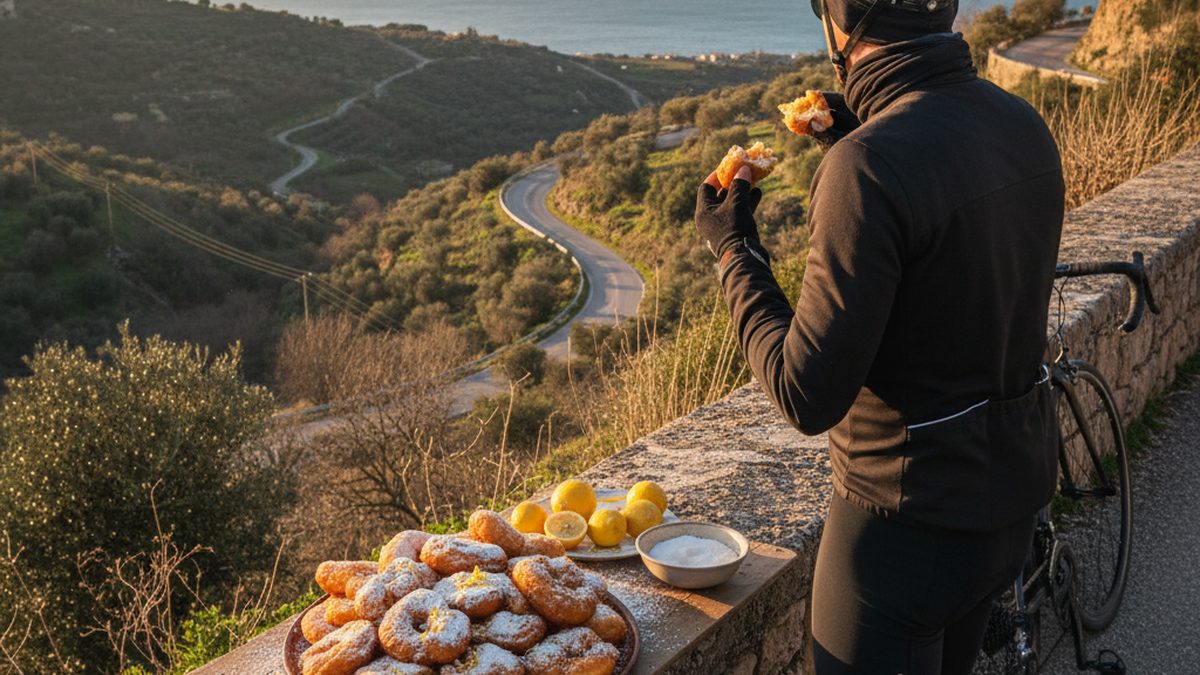
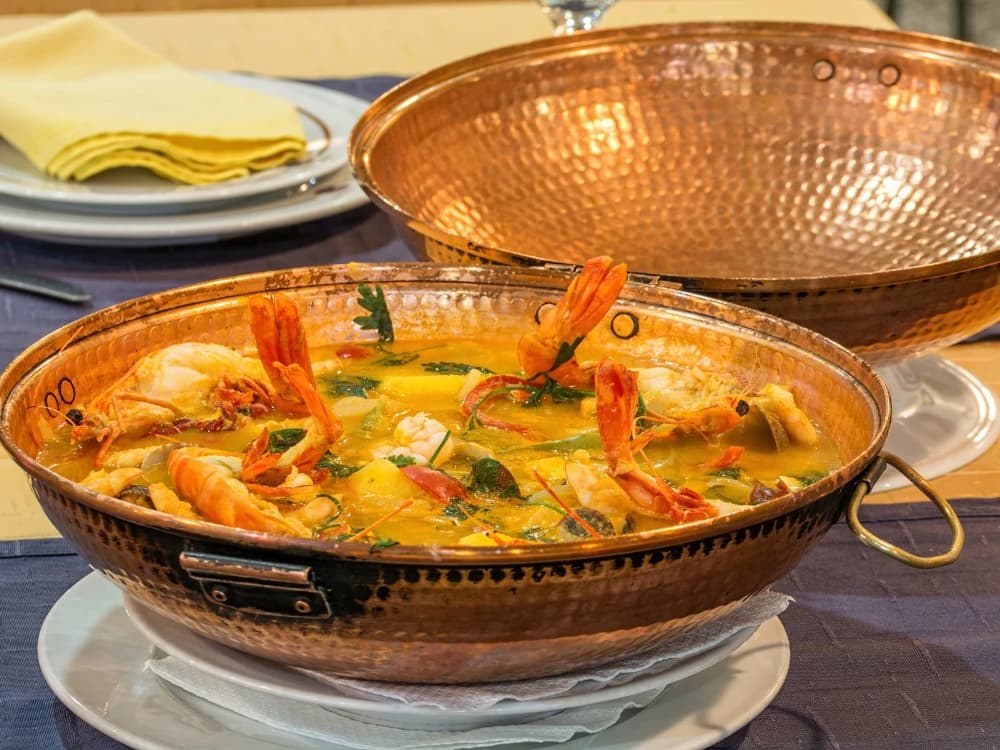
If you eat only one dish in the Algarve, make it ameijoas na cataplana. This clam stew is cooked in a cataplana — a hinged copper pot of Moorish origin that seals in steam and flavour. The clams open in a broth of white wine, garlic, chourico, and fresh coriander. The result is intensely aromatic and surprisingly delicate.
The best places to eat cataplana are the small, unpretentious restaurants in fishing villages like Olhão, Fuseta, and Ferragudo. These are not tourist traps but working harbours where the fish was landed that morning. Arriving by bike rather than car means you can enjoy a glass of Algarve white wine with lunch without worrying about the drive back.
Grilled Sardines and Fresh Seafood
Grilled sardines are the Algarve's everyday food. In summer, the smell of sardines on charcoal grills drifts through every coastal town. They are served simply — salted, grilled whole, and eaten with boiled potatoes and a tomato salad. The tradition is so central to local life that Portimão hosts an annual sardine festival in August.
Beyond sardines, the Algarve seafood menu runs deep: octopus cooked slowly in wine and olive oil, percebes (goose barnacles) prised from the rocks of the Costa Vicentina, caldeirada (a rich fish stew with multiple species), and arroz de marisco (seafood rice that puts paella to shame, according to the Portuguese). Every town has its own variation, and the quality of the raw ingredients — fresh from the Atlantic — makes even the simplest preparation extraordinary.
Beyond Seafood: Almond Desserts and Medronho
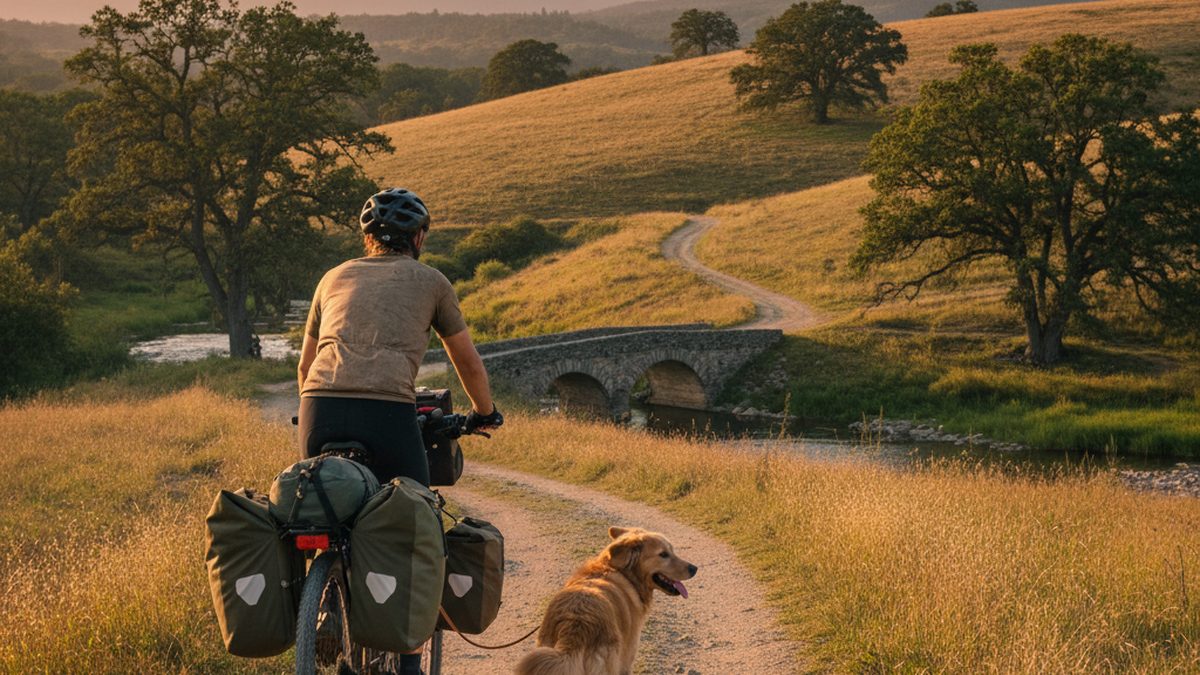
The Algarve is not all fish. The interior hills are covered in almond, fig, and carob trees, and these ingredients form the basis of a distinctive pastry tradition. Dom Rodrigo is a rich confection of egg threads, almond paste, and cinnamon, wrapped in shiny foil. Morgadinhos are small almond and egg cakes shaped into fruits. Both are intensely sweet and best enjoyed with a strong espresso.
For something stronger, try medronho — a potent fruit brandy distilled from the berries of the strawberry tree, which grows wild in the Algarve hills. Small distilleries in the Serra de Monchique mountains produce it the traditional way, and a post-ride glass is both a local ritual and an effective muscle relaxant.
The Best Cycling Food Stops Along the Route
Olhão — The Algarve's working fishing town, with a stunning covered market (Mercado Municipal) where you can buy fresh seafood and eat it at the upstairs restaurants. The Moorish-influenced architecture and waterfront make it one of the most characterful stops on the route.
Tavira — Perhaps the most beautiful town in the Algarve, with a Roman bridge, hilltop castle ruins, and excellent restaurants along the river. Try the tuna dishes — Tavira was historically a tuna-fishing port, and the tradition continues.
Lagos — A lively town with dramatic cliff formations at Ponta da Piedade. The old town is compact and walkable, with tapas bars and seafood restaurants filling the narrow streets.
Sagres and Cabo de São Vicente — The end of the Ecovia and the end of Europe. The lighthouse at Cabo de São Vicente stands on cliffs 75 metres above the Atlantic. There is a small restaurant here where you can celebrate completing the route with a beer and a plate of percebes, watching the sun set over the edge of the continent.
If the Algarve whets your appetite for combining cycling with food, routes through Puglia and Umbria offer a similar philosophy — ride through beautiful landscapes, eat spectacularly well, repeat. Browse our full tour collection for more options.
Frequently Asked Questions
How long does it take to cycle the Algarve coast?
The Ecovia do Litoral covers 215 km from Vila Real de Santo António to Cabo de São Vicente. At a relaxed pace with food stops, most cyclists complete it in 5–7 days. Stronger riders can do it in 3–4 days, but that leaves less time for eating and exploring.
What is the best time to cycle in the Algarve?
March to June and September to November are ideal. Summer (July–August) is hot (35°C+) and crowded, especially around Albufeira and Lagos. Spring offers wildflowers and comfortable temperatures of 18–25°C. Autumn is warm and quiet.
Is the Ecovia do Litoral suitable for beginners?
Yes. The route is mostly flat with gentle hills. The surface is a mix of paved roads and gravel paths. A hybrid or touring bike works well for most sections. E-bikes are available for rent in most Algarve towns.
What is cataplana?
A cataplana is a traditional copper cooking pot from the Algarve, hinged like a clam shell. It seals in steam and flavour, producing intensely aromatic stews. The most famous dish is ameijoas na cataplana — clams cooked with wine, garlic, and chourico.
Can I do a self-guided cycling tour in the Algarve?
Yes. Several operators offer self-guided tours along the Ecovia with pre-booked accommodation, luggage transfer, and GPS routes. This lets you ride at your own pace while the logistics are handled for you. See how self-guided tours work for details.
Take Portuguese cycling beyond the Algarve. For a green-and-rural counterpoint to the southern coast, the Minho family bike holiday rolls through vinho verde estates and riverside towns. For a longer pilgrimage-themed week, the Camino Portuguese from Porto to Santiago covers the historic northern route to Galicia.