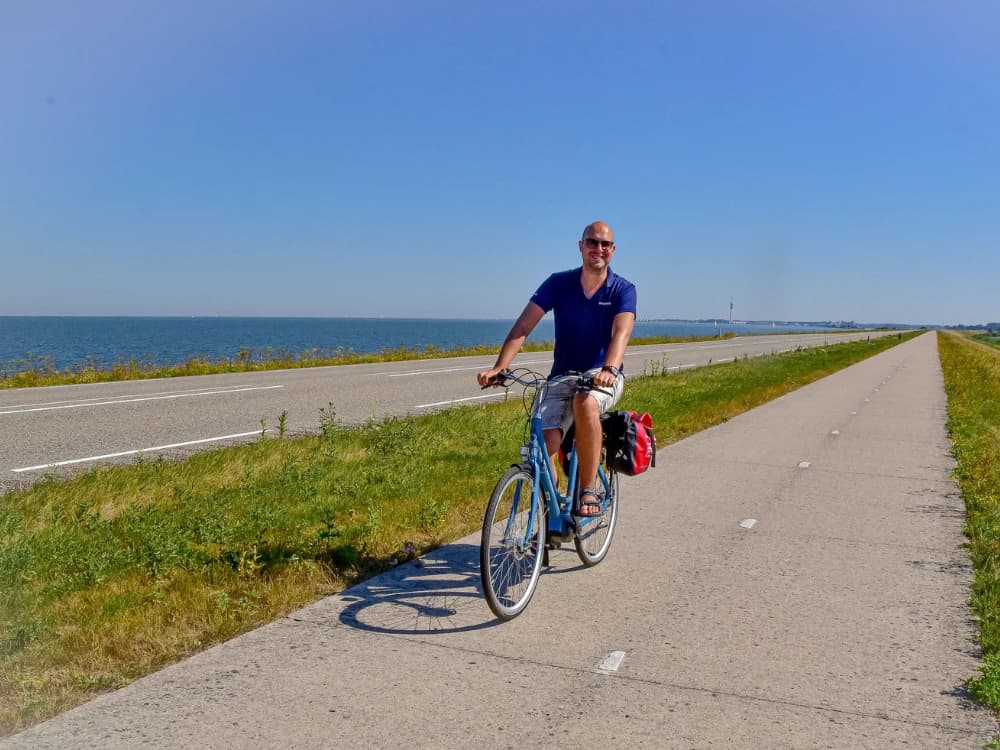
Planning a bike tour is simpler than most people think. The key decisions come down to where you want to ride, how far you are comfortable cycling each day, and whether you want to handle the logistics yourself or let someone else take care of accommodation and luggage. This guide walks you through every step, from choosing your first route to packing your bags on departure day.
Choose Your Route
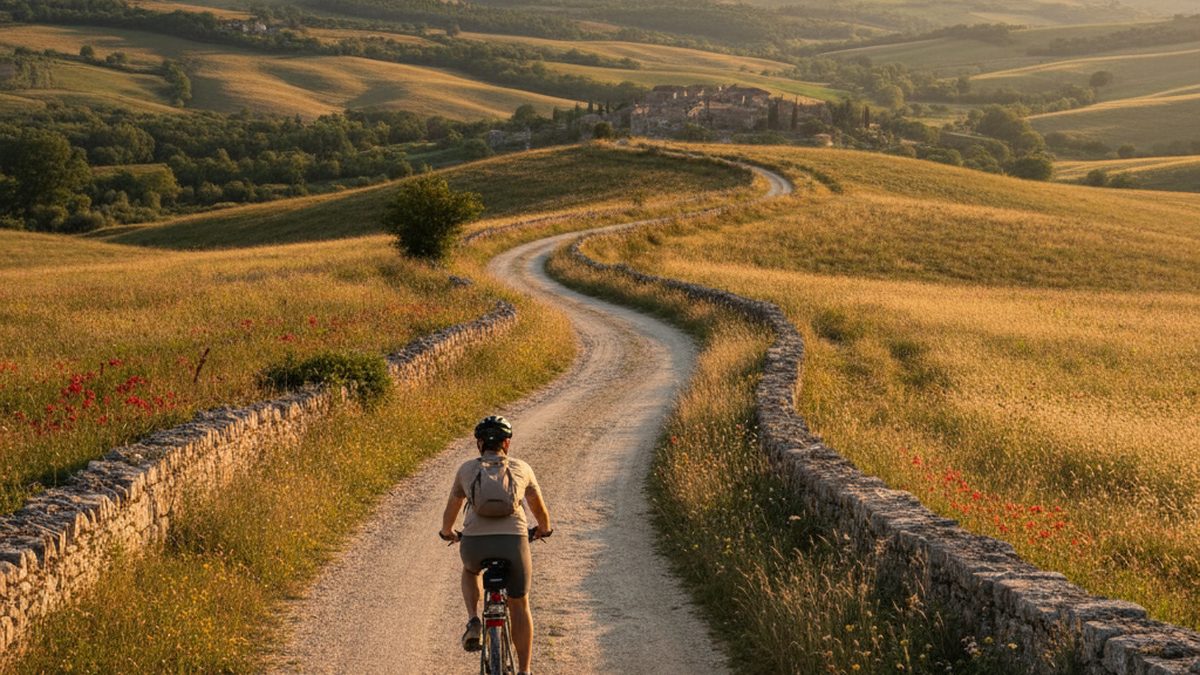
Start with terrain and distance. If this is your first bike tour, look for routes that are mostly flat or gently descending, with daily distances of 30 to 50 kilometres. River valley routes and converted railway paths are ideal because they follow natural gradients and avoid steep climbs. Italy's Trabocchi Coast (161 km, flat, car-free) and the Adige Valley (192 km, mostly downhill) are two of the best beginner routes in Europe. More experienced cyclists might consider the Nice to Genoa coastal route or the Dolomites to Trieste for varied terrain and more challenging riding.
Self-Guided vs. Independent Touring
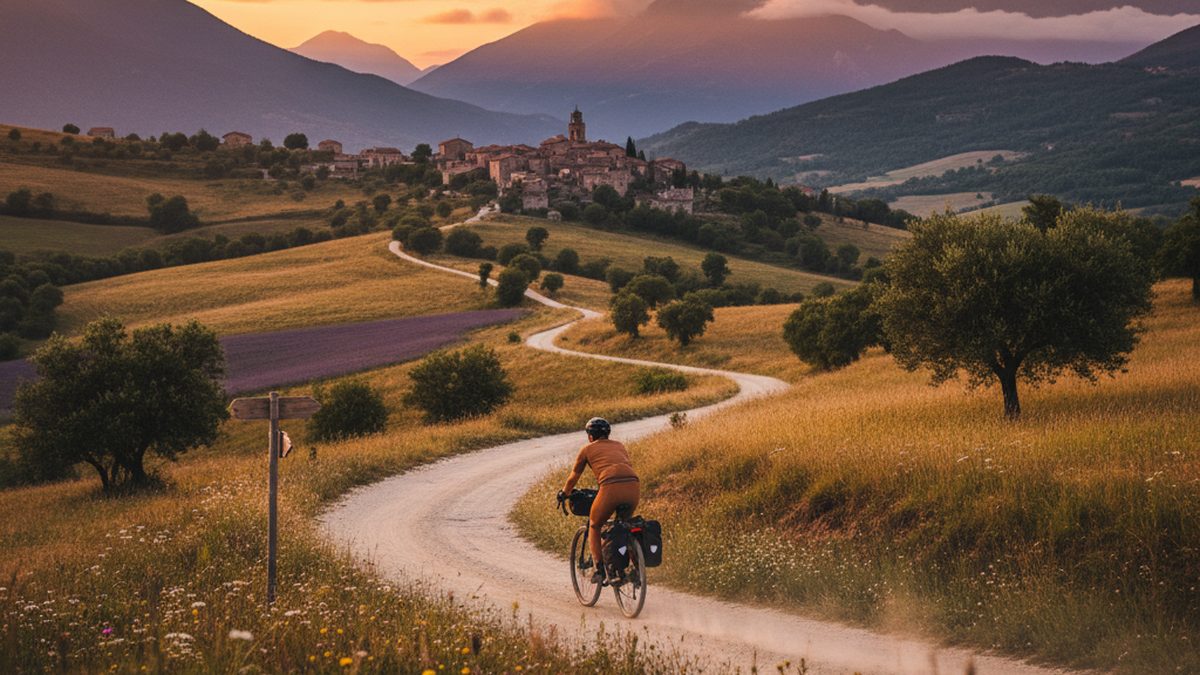
This is the single most important planning decision. A self-guided tour means you ride independently — no group, no guide — but the logistics are handled for you: accommodation is pre-booked, your luggage is transferred between hotels each day, GPS tracks are provided, and a 24/7 support hotline is available if anything goes wrong. You set your own pace and schedule. An independent tour means you handle everything yourself: booking hotels, carrying your gear, and navigating without support. Self-guided tours cost more but remove the stress of daily logistics, making them the better choice for most first-time touring cyclists. See how self-guided tours work for full details.
Prepare Physically
You do not need to be an athlete to enjoy a bike tour, but some preparation helps enormously. In the six to eight weeks before your trip, aim to ride three to four times per week, gradually building up to the daily distance you will cover on tour. Include at least one longer ride per week that matches your planned touring distance. If your route has hills, incorporate some climbing into your training rides. The goal is not speed but endurance — you need to be comfortable spending four to six hours on the bike, even if much of that time is spent at a relaxed pace.
Choose the Right Bike
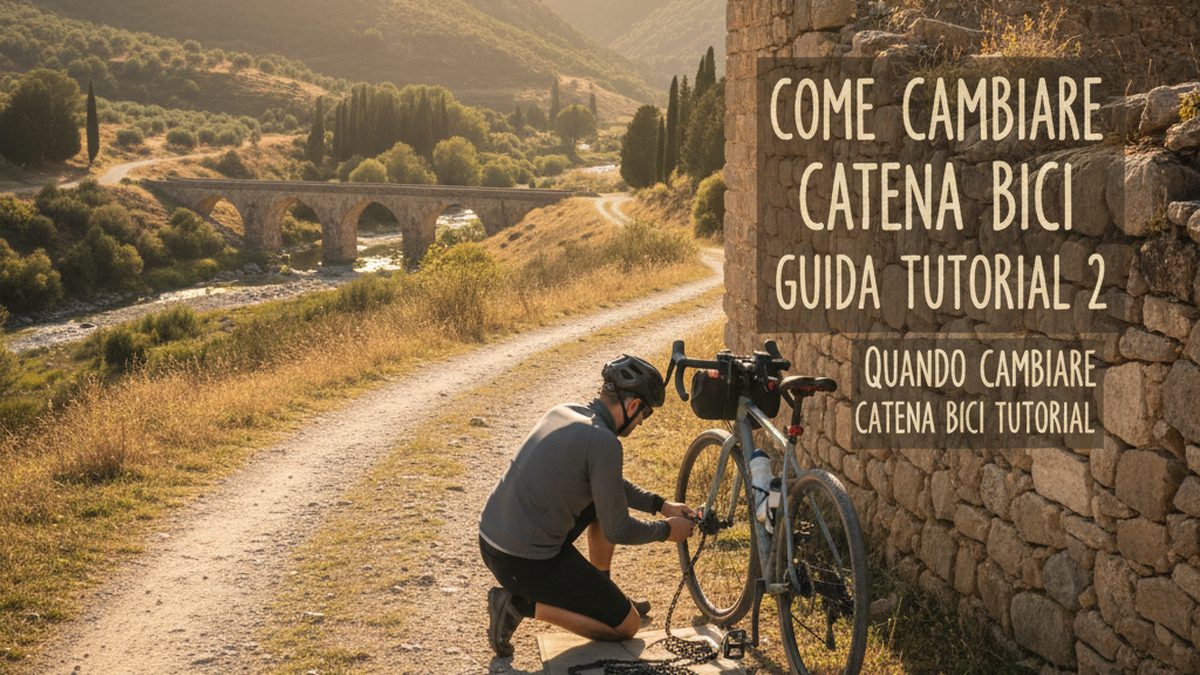
A hybrid or touring bike is the most versatile choice for most cycle tours. These bikes combine the efficiency of a road bike with the comfort and stability needed for long days in the saddle. If your route includes unpaved sections, a gravel bike offers better tyre clearance and handling on mixed surfaces. E-bikes are available on most self-guided tours and are an excellent option for anyone who wants to reduce the physical effort, particularly on hilly routes. If you are renting a bike from the tour operator, make sure to specify your height and any preferences (flat bars vs. drop bars, pedal type) when booking.
What to Pack
On a self-guided tour where your luggage is transferred, you only carry a daypack while riding. Pack it with water, snacks, sunscreen, a rain jacket, your phone, a small repair kit (spare tube, tyre levers, pump), and any medication you need. Your main luggage travels separately and should include evening clothes, toiletries, chargers, and layers for variable weather. Avoid overpacking — most tours have a luggage weight limit of 15 to 20 kilograms. Cycling-specific clothing (padded shorts, moisture-wicking jerseys) makes a significant difference to comfort on multi-day rides.
Plan Your Timing
The best months for cycling in Europe are May through October, with regional variations. Southern destinations like Italy and Portugal are comfortable from March through November, while Alpine routes are best from June through September. June and September are often the sweet spot — warm temperatures, manageable daylight, fewer tourists, and lower prices than the July-August peak. Book popular routes at least two to three months in advance, especially for peak season dates.
Frequently Asked Questions
How fit do I need to be for a bike tour?
Fit enough to ride 30 to 50 kilometres at a relaxed pace. If you can cycle for three to four hours comfortably, you are ready for most beginner-level tours. E-bikes reduce the fitness requirement significantly.
How much does a cycling holiday cost?
Self-guided bike tours in Europe typically range from €500 to €1,400 per person, depending on the route, duration, and accommodation standard. This includes hotels with breakfast, luggage transfer, bike rental, and GPS route files. Meals other than breakfast are usually not included.
Can I tour alone or do I need a group?
Self-guided tours are designed for solo travellers, couples, and small groups alike. There is no group to join — you ride at your own pace on your own schedule. Solo touring is popular and perfectly safe on well-established European routes.
What if something goes wrong on tour?
Self-guided tour operators provide a 24/7 support hotline for mechanical problems, route confusion, or emergencies. Luggage transfer is handled by a dedicated driver who can also assist if needed. Browse the tour catalogue to see what is included in each package.
Do I need travel insurance for a bike tour?
Travel insurance is strongly recommended. Make sure your policy covers cycling as an activity and includes medical evacuation, trip cancellation, and personal liability. Some tour operators offer cancellation protection as an add-on when booking.
What is the easiest European country for a first bike tour?
Italy, the Netherlands, and Austria are excellent choices for first-time touring cyclists. All three have extensive dedicated cycling infrastructure, rider-friendly cultures, and a wide range of routes suited to different fitness levels.