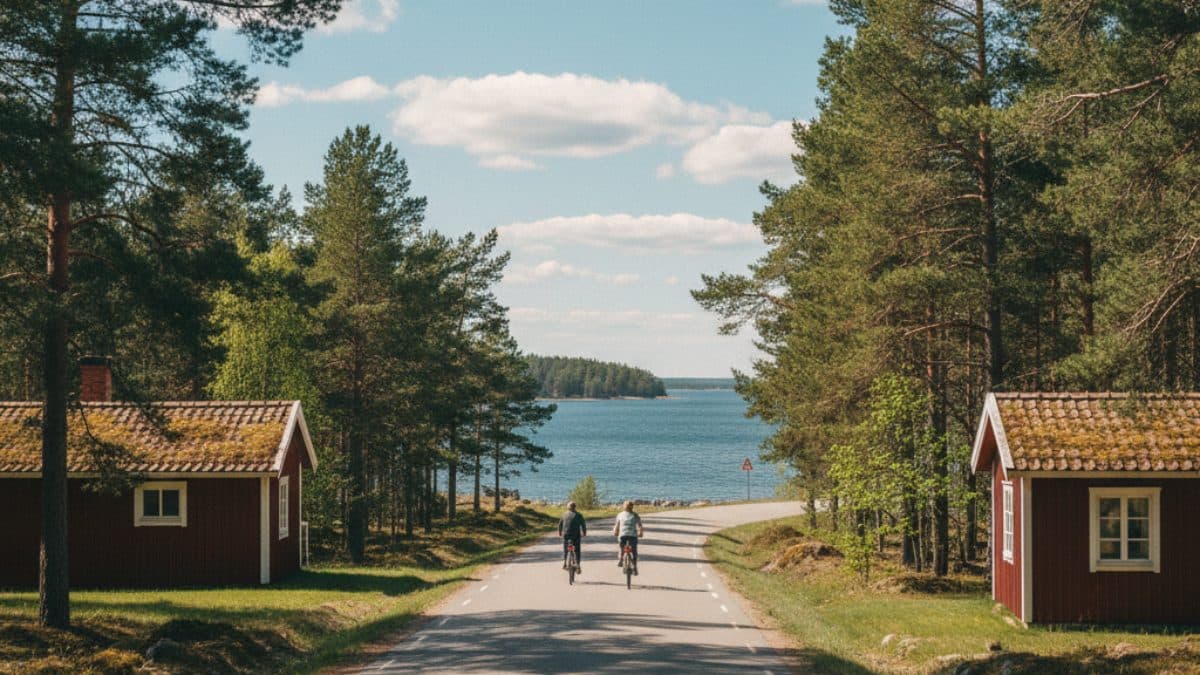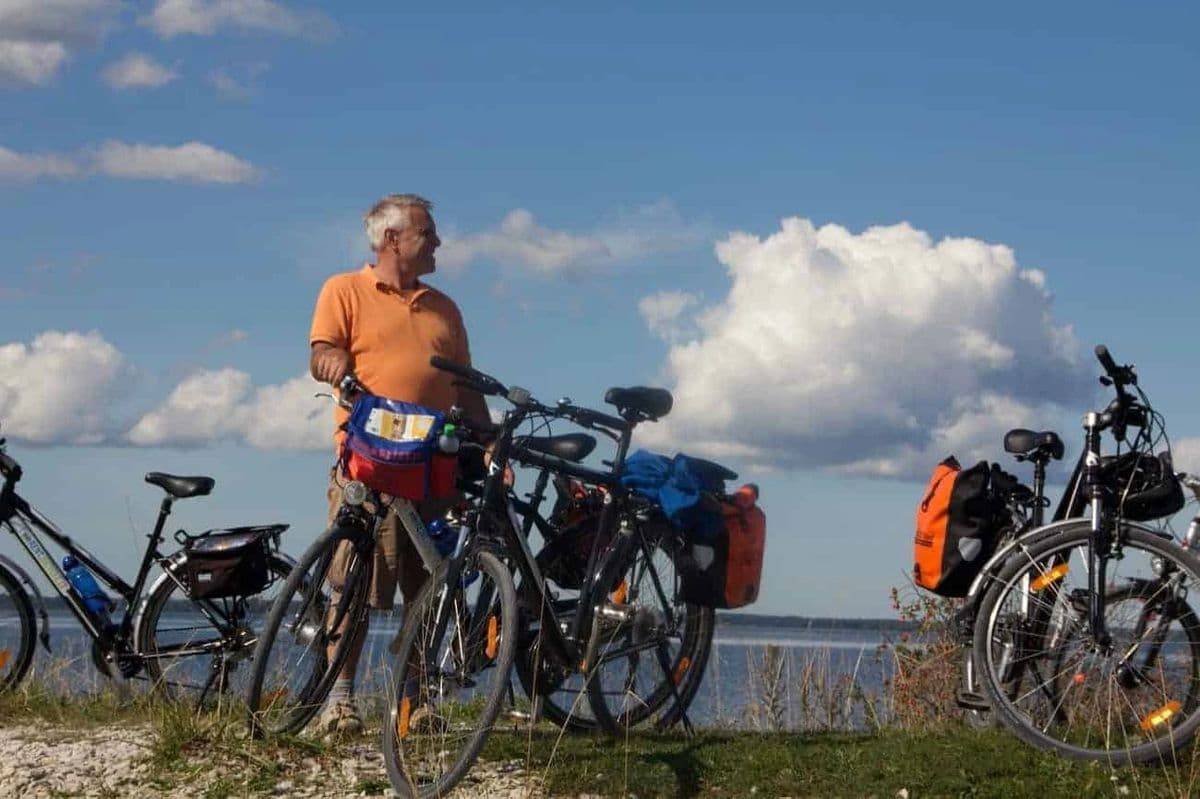

Cycling is one of the most effective natural remedies for poor sleep. Regular outdoor riding resets your circadian rhythm, reduces stress hormones, and creates the kind of pleasant physical fatigue that leads to deep, restorative rest. If you struggle to fall asleep or wake frequently during the night, a daily cycling habit may do more for your sleep quality than any supplement or sleep app.
Why Outdoor Exercise Improves Sleep
The connection between physical activity and sleep quality is well established in research. Exercise raises your core body temperature, and the subsequent drop several hours later signals your brain that it is time to sleep. But outdoor exercise adds a crucial extra dimension: natural light exposure. Morning and afternoon sunlight calibrates your internal clock — the suprachiasmatic nucleus in the hypothalamus — telling your body when to produce melatonin and when to suppress it. People who exercise indoors on a stationary bike still benefit from the physical exertion, but they miss the light-driven circadian reset that makes outdoor cycling so effective for sleep.
How Cycling Specifically Helps

Cycling hits a sweet spot that many other forms of exercise do not. It is aerobic enough to trigger the release of endorphins — the brain's natural mood-elevating chemicals — but low-impact enough that it does not leave you with the joint pain or muscle soreness that can itself disrupt sleep. A ride of 30 to 60 minutes at a moderate pace is sufficient to reduce cortisol levels, increase tissue oxygenation, and create the kind of calm mental clarity that makes falling asleep easier. The rhythmic, repetitive nature of pedalling also has a meditative quality: your mind empties of the day's worries as you focus on the road, the rhythm, and the landscape passing by.
When to Ride for Better Sleep
Timing matters. Morning rides are ideal because they combine exercise with bright light exposure at the moment when your circadian clock is most receptive to resetting. An early ride also front-loads your physical activity, giving your body the full day to process the exertion before bedtime. Afternoon rides work well too, particularly if they finish at least three to four hours before you intend to sleep. Late evening rides should be avoided — intense exercise within two hours of bedtime can raise core temperature and adrenaline levels enough to delay sleep onset.
Building a Cycling Routine That Supports Sleep
Consistency is more important than intensity. Three to five rides per week of 30 to 60 minutes will produce measurable improvements in sleep quality within two to three weeks. Start with shorter, easier rides and increase duration gradually. If you commute by bike, your daily routine already includes the exercise you need. On weekends, a longer ride through countryside or along a river path provides both the physical stimulus and the mental reset that set you up for excellent sleep.
Cycling Holidays as a Sleep Reset
If daily life makes regular cycling difficult, a multi-day cycling holiday can serve as a powerful reset for your sleep patterns. Spending five to eight consecutive days riding outdoors, eating well, and going to bed physically tired recalibrates your body clock in ways that persist for weeks after you return home. Routes like the Tour of Salento in Italy offer gentle, flat riding along the sea — the combination of salt air, moderate exercise, and Mediterranean sunlight is remarkably effective for anyone whose sleep has been disrupted by stress or screen time. For a more immersive experience, the Puglia route from Matera to Lecce provides eight days of riding through quiet countryside, with evenings spent in small towns where the pace of life naturally encourages early, restful sleep.
Complementary Habits for Better Sleep
Cycling works best as part of a broader sleep hygiene strategy. Avoid caffeine and heavy meals in the evening. Keep your bedroom cool — around 18 to 19 degrees Celsius is optimal. Read rather than watching screens before bed, since the blue light from phones and televisions suppresses melatonin production. A warm herbal tea after dinner relaxes the digestive system and signals to your body that the active part of the day is over. And sleep in a dark room — darkness triggers the pineal gland to release melatonin, the hormone that regulates your sleep-wake cycle.
Frequently Asked Questions
How long does it take for cycling to improve sleep?
Most people notice improvements within two to three weeks of regular riding. The effect is cumulative — consistent daily or every-other-day cycling produces better results than occasional intense rides.
Is morning or evening cycling better for sleep?
Morning cycling is generally best because it combines exercise with natural light exposure when your circadian clock is most responsive. Avoid intense riding within two hours of bedtime, as elevated core temperature and adrenaline can delay sleep onset.
How far do I need to cycle to see sleep benefits?
A moderate ride of 30 to 60 minutes is sufficient. The goal is steady aerobic exercise, not exhaustion. Even a 20-minute commute by bike, done consistently, can improve sleep quality measurably.
Can cycling replace sleep medication?
Exercise is not a substitute for medical treatment. However, research shows that regular aerobic exercise like cycling can reduce insomnia symptoms as effectively as some medications for many people. Consult your doctor before changing any prescribed treatment.
Does a cycling holiday help with jet lag?
Yes. Outdoor cycling in natural daylight at your destination helps reset your internal clock faster than staying indoors. A self-guided cycling tour is one of the most pleasant ways to overcome jet lag, since you spend the entire day outdoors at a moderate activity level.
What type of cycling is best for sleep improvement?
Moderate-intensity aerobic cycling — the kind where you can hold a conversation but feel your heart rate elevated — is most effective. High-intensity interval training on a bike can also help, but only if done earlier in the day. Gentle touring rides through countryside are ideal for combining sleep benefits with mental relaxation.