

Thailand is the beach holiday everyone thinks they know — but the version you reach by bicycle is a different country entirely. Away from the resorts and the full-moon crowds, Thailand is a land of quiet back roads through rice paddies, cliffside temples above empty coastlines, mountain passes wrapped in tea plantations, and villages where daily life still moves at the pace of the season. On two wheels, and with a support vehicle never far behind, it becomes one of the most rewarding long-haul cycling destinations in the world.
This guide covers cycling Thailand from the Gulf coast to the Golden Triangle, and shows you the three self-guided tours we run — one on the coast, one across the historic central plains, and one deep in the northern mountains — so you can match the country to your legs and your dates.
Why cycle Thailand
Three things make Thailand exceptional for a cycling holiday. First, the roads: outside the cities, Thailand is laced with quiet, well-surfaced secondary roads that see almost no traffic, threading between paddies, coconut groves and forest. Second, the contrast: in a single trip you can go from flat coastal spins past fishing villages to serious alpine-grade climbs in the north, from UNESCO temple ruins to hilltribe markets on the Burmese border. Third, the welcome — Thai hospitality is not a cliché, and a self-guided route through homestays, family guesthouses and roadside kitchens puts you in daily contact with it.
Add the food (some of the best street cooking on earth, and a natural excuse to stop and refuel), the year-round warmth, and the fact that your luggage travels ahead while a local team stays one phone call away, and Thailand becomes a place where holiday-pace cyclists and hardened climbers alike can plan a genuinely great week or two on the bike.
Thailand: a primer
Thailand divides neatly into cycling regions. The Gulf and Andaman coasts in the south and centre are mostly flat, ideal for relaxed riding stitched together with boat crossings to offshore islands. The central plains around Sukhothai and Uthai Thani are gentle and green, the historic heart of old Siam, dense with temples and traditional villages. The north, around Chiang Rai and the Golden Triangle where Thailand meets Laos and Myanmar, is genuinely mountainous — this is where the climbing lives, and where the scenery turns from tropical to almost alpine.
The cycling season runs broadly from November to February, the cool, dry window when daytime temperatures are comfortable and the humidity drops. March and April are hot; the monsoon arrives from roughly May to October, heaviest in the south. Our tours are scheduled around the dry season for exactly this reason.
Choose your Thailand bike trip
The coast and islands: Bangkok to Koh Yao Noi
If you want the classic Thailand postcard — turquoise water, limestone pinnacles, deserted beaches — but earned slowly and by bike, this is the trip. Over ten days you trace the Gulf of Thailand south from Bangkok on quiet back roads few travellers ever see, past fishing villages and cliffside temples, before boat crossings carry you inland to the flooded jungle of Khao Sok and out to the unspoilt Andaman island of Koh Yao Noi. The riding stays mostly flat across six days in the saddle, with the days woven together by transfers and two free days on the island that are entirely your own.
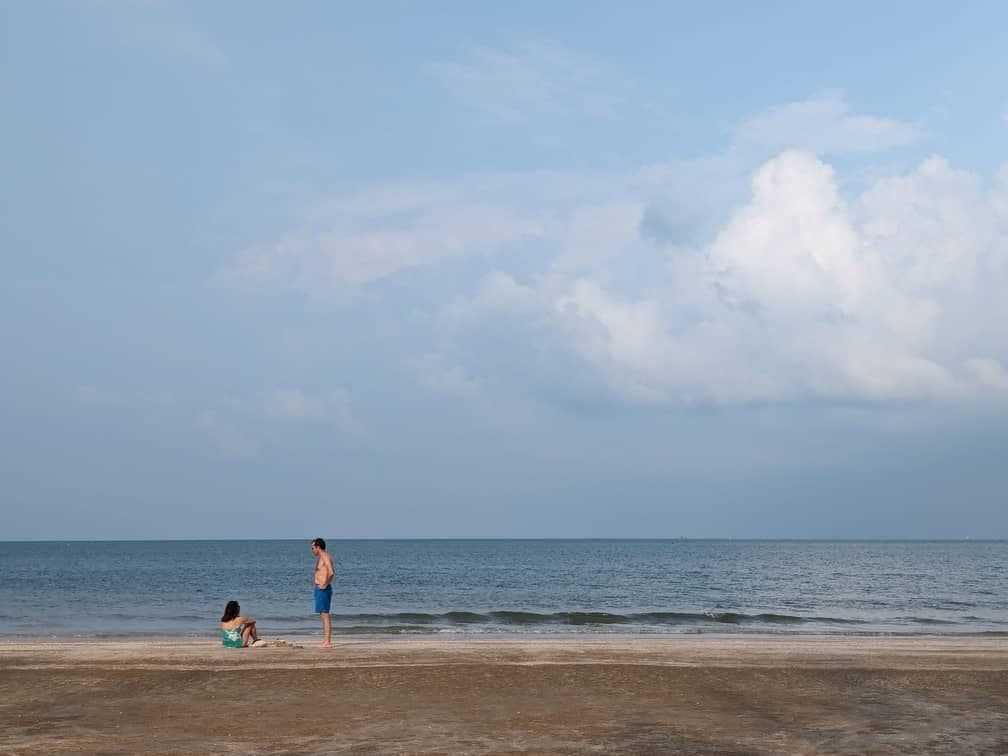

Highlights include the floating temple inside Phraya Nakhon Cave, wild elephants near Kui Buri National Park, a private boat across Ratchaprapha Lake beneath towering limestone peaks, and sunset over the pinnacles of Phang Nga Bay. See the full itinerary for the Bangkok to Koh Yao Noi via Khao Sok tour.
The heritage plains: Uthai Thani to Sukhothai
For riders drawn more to culture than to coastline, the central plains offer Thailand at its most authentic. This eight-day ride follows the quiet backbone of the country from the riverside raft-house town of Uthai Thani north to the wooden lanes of Laplae, on gentle, mostly flat roads between rice paddies and villages where life unfolds at its own pace. The centrepiece is Sukhothai, the first capital of Siam and a UNESCO World Heritage Site, along with the lesser-known UNESCO temples of Si Satchanalai hidden among forest.
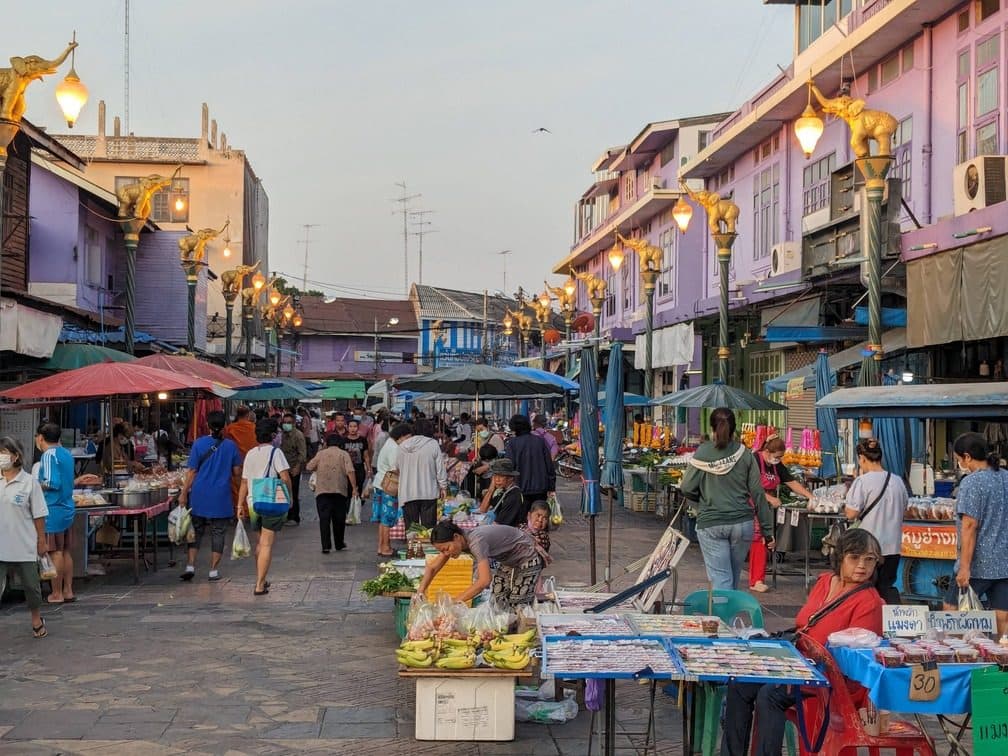
You sleep in family guesthouses, share home-cooked dinners, and meet the potters and weavers who keep 700-year-old crafts alive. It is a journey about depth rather than distance, shaped around the Thailand few travellers reach — explore the Thailand Heritage Plains via Uthai Thani tour.
The mountains and the Golden Triangle: Chiang Rai
If you love the mountains, the north is where Thailand rewards you hardest. This eight-day loop from Chiang Rai pushes into one of the wildest corners of the country, from tea-covered hillsides and hilltribe villages to the banks of the Mekong at the heart of the Golden Triangle. The roads are mostly paved and the climbing is serious — the queen stage to the Phu Chi Fa ridge alone gains over 2,000 metres — with a support vehicle following each stage so you can push hard or ease off.
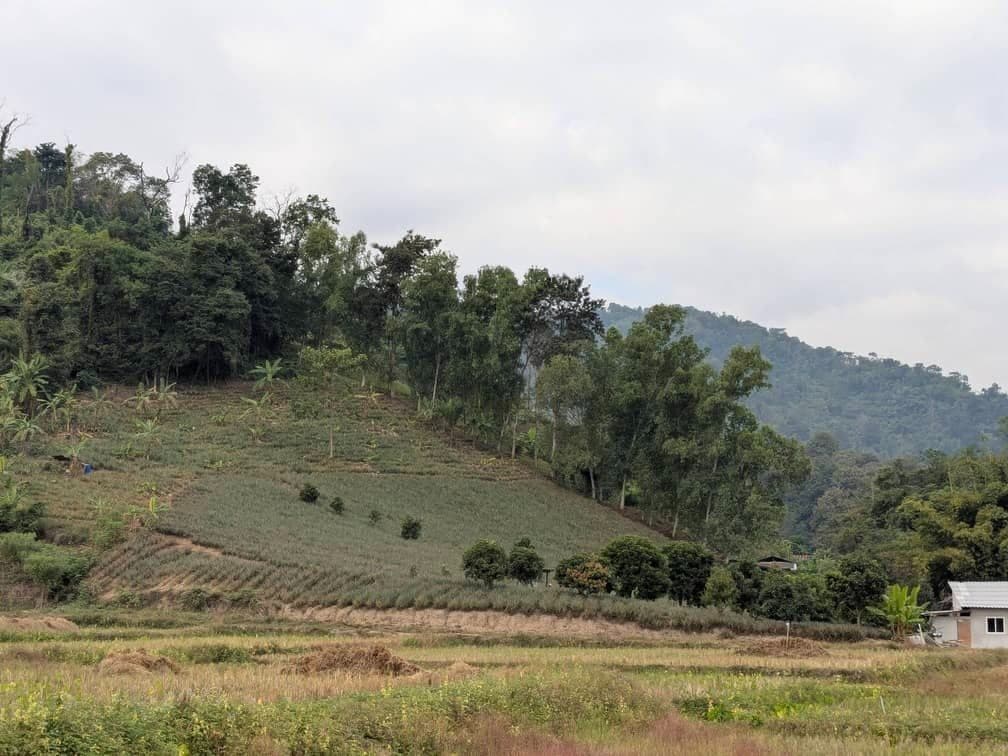
Along the way you ride past the Choui Fong tea plantations, the Doi Tung Royal Villa, the Thai-Burmese border market at Mae Sai, and the confluence where Thailand, Laos and Myanmar meet, finishing with a Mekong boat trip and Chiang Rai's dazzling White Temple. For fit riders who want the real climbs, this is the one — see the Chiang Rai and the Golden Triangle tour.
When to cycle Thailand
The cool, dry season from November to February is the sweet spot across the whole country: warm but not punishing days, low humidity, and clear skies for the coastal and mountain scenery alike. The north is noticeably cooler than the coast in this window — pleasant for climbing, and genuinely chilly on early mornings at altitude, so pack a light layer. March and April bring building heat; the southwest monsoon (roughly May to October) makes the south wet and is best avoided for the coastal route. Riding early in the day, resting through the hottest afternoon hours, and drinking constantly are the three rules that keep tropical cycling comfortable.
Practical tips for your Thailand bike trip
Fitness and terrain. The coast and the central plains are flat and forgiving, suitable for any regular leisure cyclist; the northern Chiang Rai loop is a genuine mountain tour for fit riders. E-bikes make the north far more accessible if the climbs give you pause.
Getting there. Bangkok's Suvarnabhumi airport is the main international gateway, with easy domestic connections north to Chiang Rai. Tours begin and end at points served by transfers, so you rarely need to solve the logistics yourself.
Support and luggage. Every route is self-guided but backed by a local team, with luggage moved ahead each day and a support vehicle on the mountain stages. You ride with just what you need on the bike.
Food and hydration. Eat where the locals eat — the roadside kitchens are safe, cheap and superb — and drink far more water than you think you need. Electrolyte sachets are worth carrying in the heat.
Ready for Thailand?
Coast, plains or mountains — Thailand rewards the cyclist who slows down enough to meet it. Browse our full cycling tour collection, or speak with a consultant about which Thailand itinerary matches your fitness, your interests and your dates.
Frequently Asked Questions
Is Thailand good for a cycling holiday?
Yes — remarkably so, once you leave the main highways. Thailand has a dense network of quiet secondary roads through beautiful and varied landscapes, superb and inexpensive food, warm year-round weather, and famously welcoming hosts. Self-guided tours with luggage transfer and local support make it straightforward even for first-time long-haul cyclists.
When is the best time to cycle in Thailand?
November to February is ideal: the cool, dry season brings comfortable temperatures, low humidity and clear skies across the country. March and April are very hot, and the monsoon from May to October makes the south wet. The northern mountains are cooler and can be chilly on early mornings even in the dry season.
How fit do I need to be to cycle in Thailand?
It depends on the region. The Gulf coast and the central heritage plains are mostly flat and suit any regular leisure cyclist. The northern Chiang Rai and Golden Triangle loop is a serious mountain tour with long climbs and is best for fit riders — though e-bikes make it achievable for many more people.
Are the roads safe for cycling in Thailand?
On the routes we use, yes. Our itineraries deliberately follow quiet back roads and secondary routes with very little traffic, away from the busy highways. Each tour is supported by a local team, with a vehicle on the mountain stages and phone support throughout.
Can I combine the coast, the plains and the mountains?
Each of the three tours is designed as a complete week or ten days in its own region, but they combine naturally for travellers with more time — for example the coastal Bangkok–Koh Yao Noi ride followed by the northern Chiang Rai loop. Speak with a consultant and we can help you link itineraries and handle the internal transfers.