One of the great pleasures of cycling in Europe is the food. Every region has its own specialties, every town its own restaurants, and every evening brings a new culinary discovery. But when you're riding 40 to 70 kilometers per day, what you eat and when you eat it matters more than on a regular holiday. Get it right and you'll feel strong all day. Get it wrong and that afternoon climb will feel twice as steep.
This guide covers practical nutrition for cycling holidays — not a strict training diet, but sensible eating habits that keep your energy steady while still letting you enjoy the local cuisine. Because the whole point of cycling through Italy, France, or Spain is to eat well. That is as true on our self-guided cycling tours in Italy as anywhere else.
Breakfast: The Foundation of Your Riding Day
Breakfast sets the tone for the entire day on the bike. The goal is to eat enough carbohydrates to fuel 3–4 hours of riding without feeling heavy or bloated. Eat 1–2 hours before you start cycling to give your body time to begin digesting.
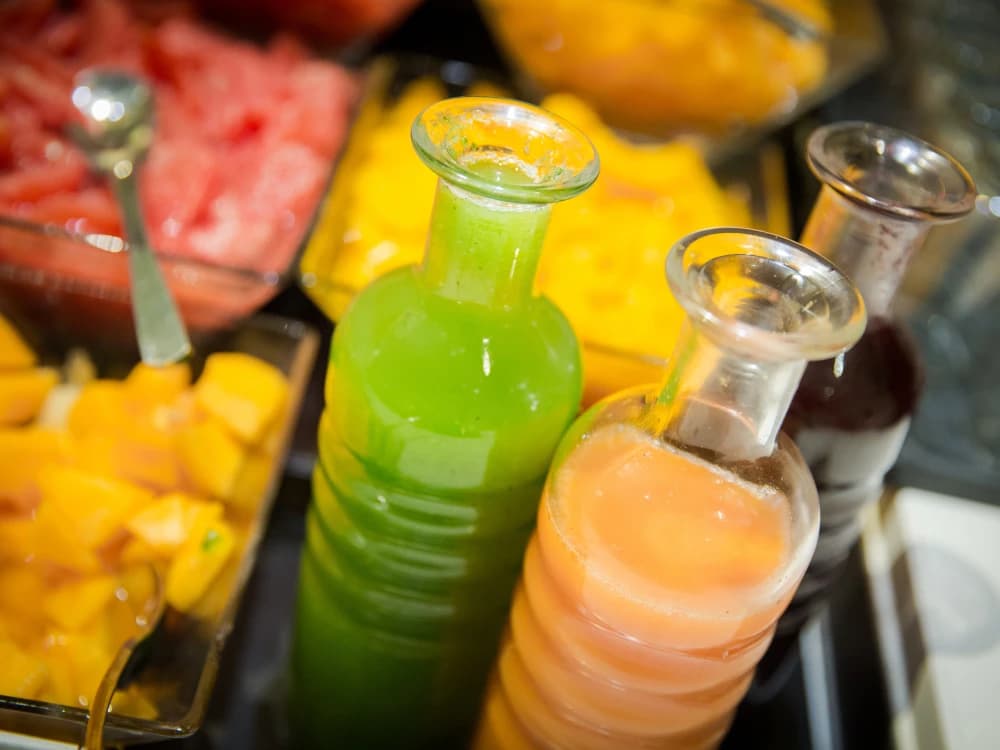
Good breakfast choices: Bread or toast with jam or honey, muesli or granola with yogurt, fresh fruit, orange juice, and coffee. These provide a mix of fast-acting and slow-release carbohydrates that sustain energy throughout the morning.
What to avoid: Heavy protein and fat-heavy foods like bacon, fried eggs, or large amounts of cheese slow digestion and can cause discomfort during the first hour of riding. Save those for rest days.
Most hotels on self-guided cycling tours include breakfast buffets with all of these options. Take advantage of the bread basket — it's the cyclist's best friend.
Eating During the Ride
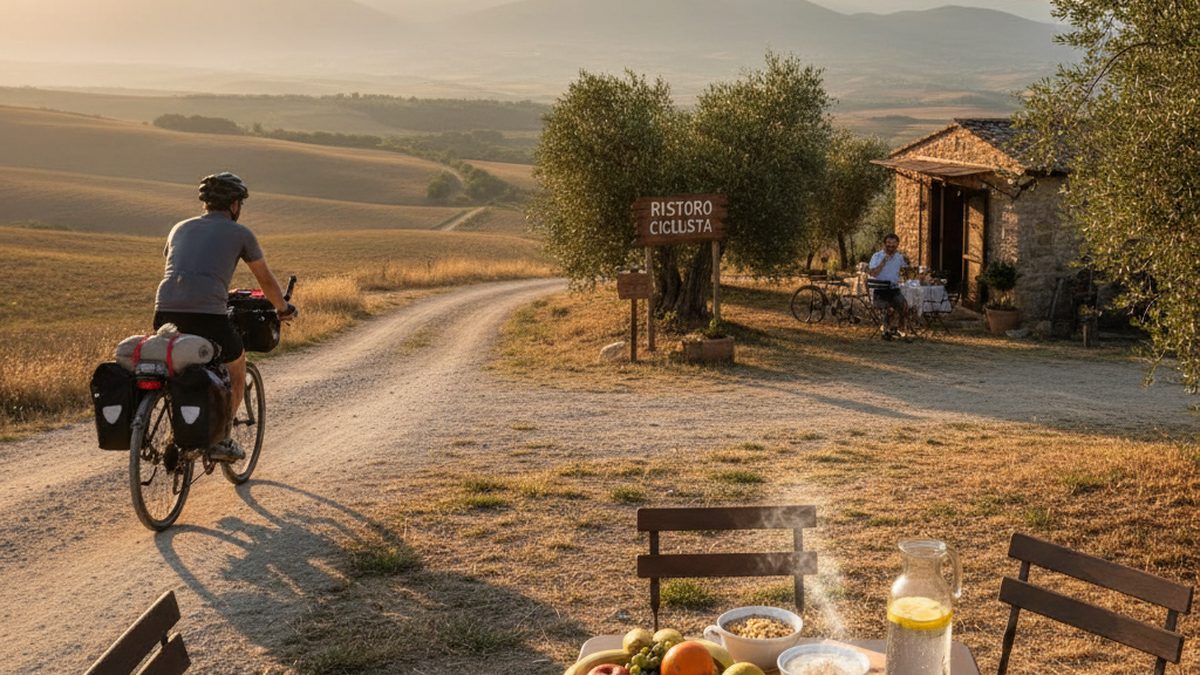
On a cycling tour, you'll typically ride for 3–6 hours per day. During that time, your body burns through its glycogen stores and needs regular replenishment. The rule of thumb is simple: eat little and often rather than waiting until you're hungry.
Every 60–90 minutes: Have a small snack. A banana, a handful of dried fruit, a cereal bar, or a few cookies. These provide quick energy without requiring you to stop for a full meal.
At the halfway point: Stop for coffee and a more substantial snack — a pastry, a slice of cake, or a small sandwich. In Italy, a mid-morning cappuccino and cornetto is practically mandatory. In France, a pain au chocolat fills the same role perfectly.
What to carry: Keep 2–3 snacks in your jersey pocket or handlebar bag. Energy bars, bananas, and dried fruit travel well. Fresh pastries from the morning bakery are even better.
Hydration: The Most Important Factor
Dehydration is the most common cause of fatigue, headaches, and poor performance on a cycling tour. It creeps up gradually — by the time you feel thirsty, you're already mildly dehydrated.
How much to drink: Aim for roughly one liter of water every two hours of riding, more in hot weather. Take small sips frequently rather than large gulps at rest stops.
Water sources: In Italy, public drinking fountains (fontanelle) are common in towns and villages and the water is clean and free. In most European countries, tap water is safe to drink. Fill your bottles at every opportunity.
Electrolytes: On hot days or longer rides, add electrolyte tablets or a pinch of salt to your water. Sweating depletes sodium and potassium, and plain water alone doesn't replace them. Signs of electrolyte depletion include muscle cramps, fatigue, and dizziness.
Lunch: Keep It Light
Lunch on a cycling day is a balancing act. You need fuel for the afternoon's riding, but a heavy meal will slow you down. The best approach is a moderate lunch built around carbohydrates with some protein.
Good lunch choices: A sandwich or panino, pasta with a light sauce, a salad with bread, or a plate of local cheeses and cured meats. In Italy, a simple plate of bruschetta or a focaccia from a bakery is ideal — filling without being heavy.
Timing: Try to eat lunch at least 30–45 minutes before getting back on the bike. This gives your body time to start digesting before the physical effort resumes.
Dinner: Your Reward
Dinner is where cycling nutrition and culinary enjoyment converge. After a day on the bike, your body needs to recover, and a proper evening meal is both the fuel and the reward.
What to eat: Whatever the region is famous for. In Puglia, that means orecchiette, burrata, and grilled fish. In the Loire Valley, it's rillettes, goat cheese, and a glass of Vouvray. In Umbria, truffles, wild boar, and Sagrantino wine. This is the time to eat generously — your body will use every calorie for recovery and tomorrow's ride.
Carbohydrates remain important: Pasta, rice, bread, and potatoes at dinner help replenish glycogen stores for the next day. Don't skip starch in favor of protein-only meals.
Alcohol: A glass or two of wine with dinner is part of the experience and won't affect your riding the next day. But heavy drinking leads to dehydration and poor sleep, both of which make the next morning's ride significantly harder.
Recovery Nutrition
The 30 minutes after you finish riding is when your body is most receptive to replenishment. During this window, a small snack rich in both carbohydrates and protein kickstarts recovery. A fruit smoothie, a yogurt with granola, or even a simple sandwich works well.
If you arrive at your hotel in the early afternoon, shower first and then have a light snack before dinner. This prevents the common mistake of arriving at dinner ravenous and overeating, which can disrupt sleep.
Eating Well Without Overthinking It
The best nutrition advice for a cycling holiday is also the simplest: eat breakfast before you ride, snack every hour on the bike, drink water constantly, and enjoy a proper dinner each evening. You don't need sports gels, protein shakes, or complicated meal plans. The local food at every stop along your route provides everything your body needs — and it tastes far better than anything from a packet.
One of the joys of cycling through places like Italy or France is that eating well is effortless. The ingredients are fresh, the portions are right, and the culinary tradition is built around exactly the kind of balanced, carbohydrate-rich meals that cyclists need.
Frequently Asked Questions
Do I need energy gels on a cycling tour?
For most self-guided tours with daily distances of 30–70 km, energy gels are unnecessary. Regular food — fruit, cereal bars, pastries, and proper meals — provides more than enough fuel. Gels are designed for racing, not touring.
How much water should I drink per day on a cycling holiday?
Aim for 2–4 liters during riding hours depending on temperature and effort. Drink an additional 1–2 liters in the evening. In hot Mediterranean climates (southern Italy, Corsica), increase intake and add electrolytes.
Can I follow a vegetarian or vegan diet on a cycling tour?
Yes. Southern European cuisines are naturally rich in vegetable-based dishes, pasta, bread, legumes, and olive oil. Italy in particular offers excellent vegetarian options at every meal. Inform your tour operator of dietary requirements when booking so hotels can prepare accordingly.
Should I eat differently on rest days?
On rest days, reduce carbohydrate intake slightly and eat more protein and vegetables. Your body uses rest days for repair, so nutrient-dense meals matter more than pure energy intake. It's also a good day for a longer, more relaxed lunch.
What if I have food allergies?
Inform your tour operator when booking. European hotels and restaurants are generally accommodating of allergies and intolerances. Learning key phrases in the local language ("senza glutine" in Italian, "sans gluten" in French) is helpful for restaurants.
Fuel Up and Ride
Browse our full collection of cycling tours to find a route through Europe's best food regions. From the seafood of the Italian Riviera to the vineyards of Bordeaux, every route is a culinary journey as much as a cycling one.