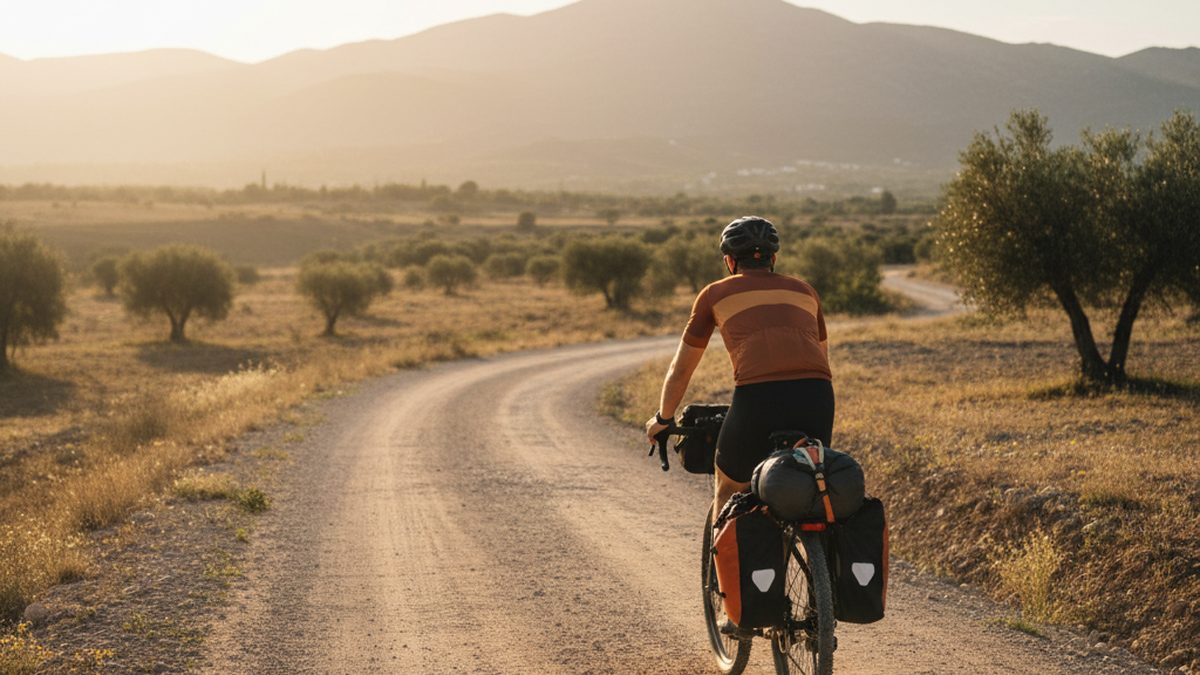
Packing for a cycling holiday is simpler than most people expect. Since self-guided tours handle the heavy logistics — your luggage is transferred between hotels each day — you only need to carry what you'll use on the bike. No panniers, no camping gear, no cooking equipment. Just a small daypack with the essentials and a suitcase that travels by van.
This checklist covers everything you need for a self-guided cycling tour in Europe, organized by category. The goal is to pack light, stay comfortable, and avoid the two most common mistakes: bringing too much clothing and forgetting sun protection.
Cycling Clothing
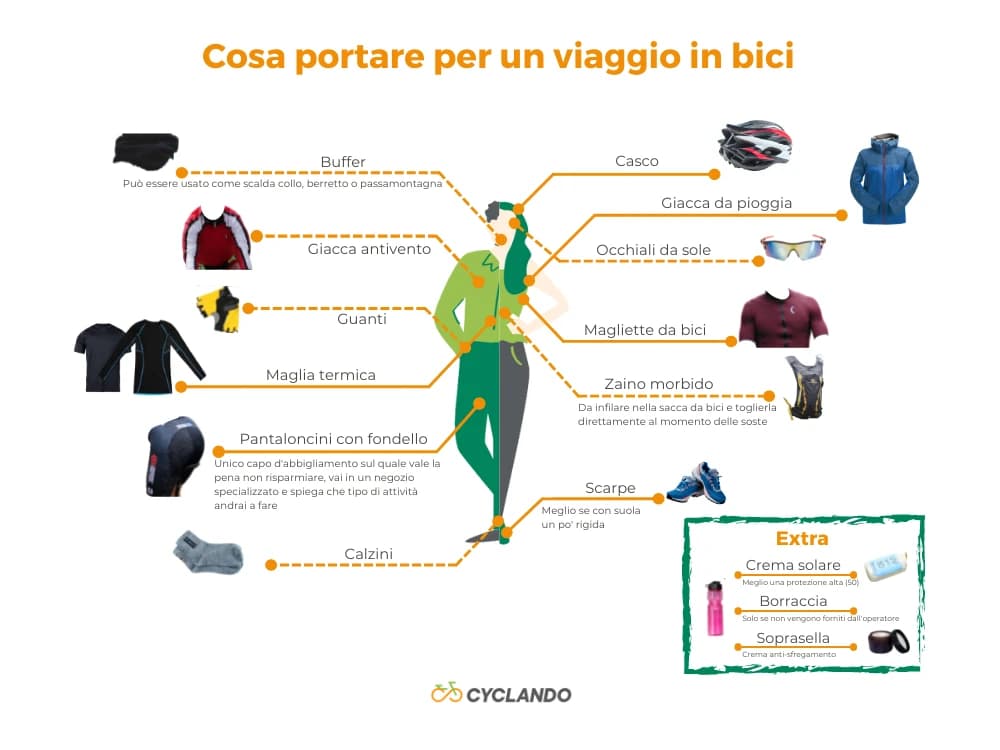
You don't need a professional racing kit, but cycling-specific clothing makes a significant difference in comfort over multi-hour rides. Here's what to bring:
Padded cycling shorts (2–3 pairs): This is the single most important item. Padded shorts prevent saddle soreness, which can turn a great holiday into an uncomfortable one. Two pairs minimum — wash one, wear one. Three pairs if you don't want to do laundry every night.
Cycling jerseys or moisture-wicking tops (2–3): Any breathable, quick-drying top works. Cycling jerseys have the advantage of rear pockets for snacks and phones, but a regular athletic shirt is fine.
Lightweight rain jacket: Packable and waterproof. Even in summer, an afternoon shower is always possible. This doubles as a wind layer for fast descents in alpine areas.
Arm and leg warmers (optional): More versatile than carrying a second jacket. Useful for cool mornings in spring or autumn, and they pack down to almost nothing.
Cycling gloves: Padded gloves reduce hand fatigue and protect your palms. Half-finger gloves are standard for warm-weather touring.
On-Bike Essentials
Helmet: Most tour operators provide helmets with the bike rental, but check in advance. If you prefer your own, bring it.
Sunglasses: Essential for eye protection from sun, wind, and insects. Wrap-around sport sunglasses work best.
Sunscreen (SPF 50): You will be in the sun for 4–6 hours per day. Apply before you ride and reapply at lunch. This is the most commonly forgotten item, and the consequences are immediate.
Water bottles (1–2): Most rental bikes come with a bottle cage. Bring your own bottles or buy them locally. In Italy and much of Europe, fountain water is drinkable and free.
Small daypack or handlebar bag: For carrying your phone, wallet, sunscreen, snacks, and rain jacket during the ride. Keep it under 5 liters — anything larger starts to feel heavy after a few hours.
Evening and Off-Bike Clothing
Casual outfit (1–2): For dinner and evening walks. European restaurants are relaxed but slightly more dressed-up than American or British casual. A clean pair of trousers and a collared shirt or nice top is plenty.
Comfortable shoes: Something you can walk around town in after a day of cycling. Light sneakers or sandals work well. These also serve as your restaurant shoes.
Swimwear: Many tours pass by beaches, lakes, or hotels with pools. A swimsuit takes up almost no space and opens up options for post-ride relaxation.
Tech and Navigation
Phone with GPS: Your primary navigation tool on a self-guided tour. The operator provides GPS tracks or a dedicated app. Make sure your phone is charged each morning.
Portable battery pack: GPS navigation drains your phone battery. A 10,000 mAh power bank ensures you never run out mid-ride.
Charging cables: For phone and any other electronics. European outlets use Type C or Type F plugs — bring an adapter if traveling from outside Europe.
Health and Comfort
Chamois cream: Reduces friction and prevents chafing on longer rides. Apply before putting on your cycling shorts. Not glamorous, but genuinely important for multi-day riding.
Basic first aid: Adhesive bandages, antiseptic wipes, ibuprofen, and any personal medication. Minor scrapes and saddle sores are the most common cycling ailments.
Lip balm with SPF: Often forgotten, always needed. Hours of sun and wind dry out your lips faster than you'd expect.
What NOT to Bring
Your own bike: Unless you're very particular about equipment, the touring bikes and e-bikes provided by European operators are excellent. Shipping a bike internationally adds significant cost and risk.
Too many clothes: Hotels have laundry facilities or offer same-day laundry service. Three days' worth of cycling clothes and two evening outfits is enough for a week-long tour.
Heavy locks: Your bike stays at or near the hotel each night. During the day, a quick café stop doesn't require a D-lock — keep the bike in sight or ask the staff to watch it.
Paper maps: GPS tracks on your phone are more reliable and easier to follow. The route notes provided by your operator cover everything you need.
Packing Tips
Your main luggage is transferred by van between hotels, so use a standard suitcase or duffel — not a backpack. Most operators limit luggage to one bag per person, typically under 20 kg. Pack your cycling clothes at the top for easy access each morning.
Roll clothes instead of folding to save space. Put electronics and chargers in a zip-lock bag. And always keep your riding essentials — shorts, jersey, sunscreen, phone — accessible even if your luggage doesn't arrive on time.
For a detailed look at how self-guided tours handle luggage and logistics, see our How It Works page.
Frequently Asked Questions
Do I need to bring my own helmet?
Most self-guided tour operators provide helmets with the bike rental. Check your tour details to confirm. If you prefer your own helmet for fit and comfort, bring it — it can clip to your daypack when not in use.
How much luggage can I bring on a cycling tour?
Most operators allow one suitcase or duffel bag per person, typically under 20 kg. Your luggage is transferred by van between hotels each day, so you only carry a small daypack while riding.
Should I bring cycling shoes?
Clipless cycling shoes are optional. Most touring bikes have flat pedals, so comfortable sneakers or sport sandals work fine. If you use clipless pedals at home, check whether the rental bike supports your cleat system.
What if I forget something?
European towns have pharmacies, sporting goods shops, and supermarkets where you can pick up most essentials. Sunscreen, chamois cream, and basic cycling accessories are widely available.
Do I need special clothing for an e-bike tour?
No. The same clothing works for both standard bikes and e-bikes. You may sweat less on an e-bike, but sun protection, padded shorts, and rain gear are equally important regardless of bike type.
Ready to Pack and Ride?
Now that your packing list is sorted, browse our full collection of cycling tours to find your next adventure. Whether you choose the flat Puglia route from Alberobello to Lecce, the cultural riches of Puglia, or an alpine descent through the Adige Valley, you'll be ready.