Bike theft is one of the few genuine worries on a cycling holiday. The good news is that it is also one of the easiest to prevent. With the right lock, a few smart habits, and a bit of awareness about where you park, you can ride through Europe without constantly looking over your shoulder. This guide covers everything you need to know to keep your bicycle safe while touring.
Why Bike Theft Is a Concern for Touring Cyclists
Bicycle theft has increased across Europe over the past decade, driven partly by the rising value of modern bikes and e-bikes. For touring cyclists, the risk is different from commuters: you are in unfamiliar places, often carrying panniers that signal an expensive setup, and you need to leave your bike unattended while visiting towns, eating lunch, or checking into hotels. Self-guided tours like those on Life on a Bike include pre-booked accommodation, which means your bike is safely stored overnight — but daytime stops still require attention.
Choosing the Right Lock for a Cycling Tour
The lock you carry is your first line of defence. A general rule of thumb: spend roughly ten percent of your bike's value on a quality lock. For touring, you need to balance security with weight and packability.
U-locks offer the highest resistance to cutting and leverage attacks. They are heavy but nearly impossible to defeat without power tools. If your bike is worth more than €1,000 or you plan stops longer than 15 minutes in urban areas, a U-lock is the best choice.
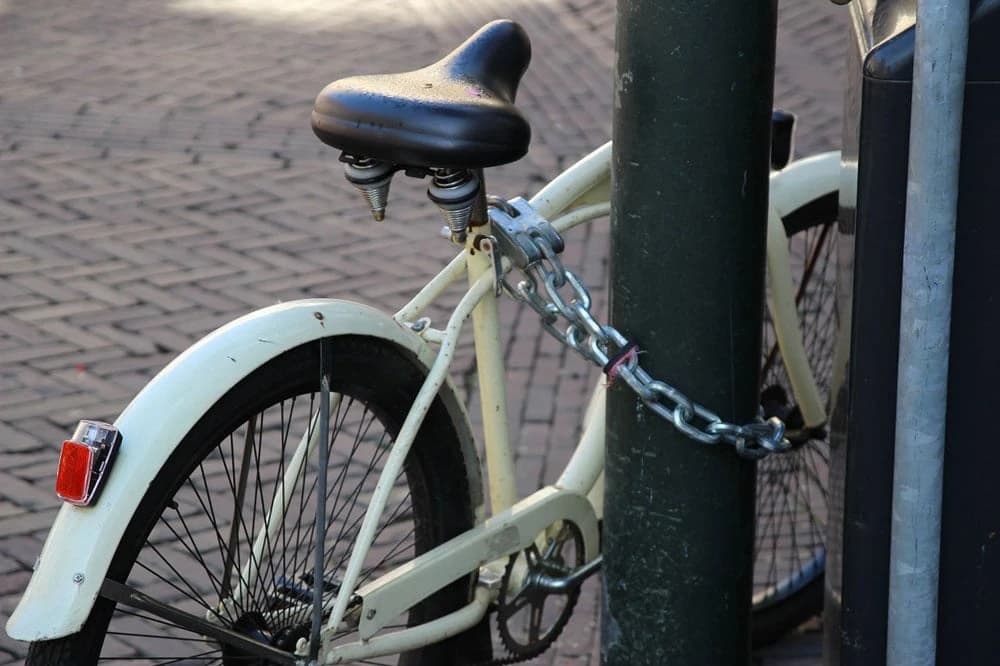
Chain locks with hardened steel links are a good compromise — flexible enough to wrap around larger objects and reasonably secure. Look for chains rated at least 8mm thickness.
Cable locks are the lightest option but offer the least protection. They work for quick cafe stops in low-risk areas or as a secondary lock alongside a U-lock.
GPS trackers are increasingly popular as a backup. Small devices hidden inside the handlebars or seat tube can help recover a stolen bike. They do not prevent theft but add a layer of insurance.
The safest approach is to combine two lock types — for example, a U-lock through the frame and rear wheel, plus a cable lock securing the front wheel. This forces a thief to carry two different tools, which most will not bother with.
How to Lock Your Bike Properly
Even the best lock is useless if attached incorrectly. Follow these principles every time you park:
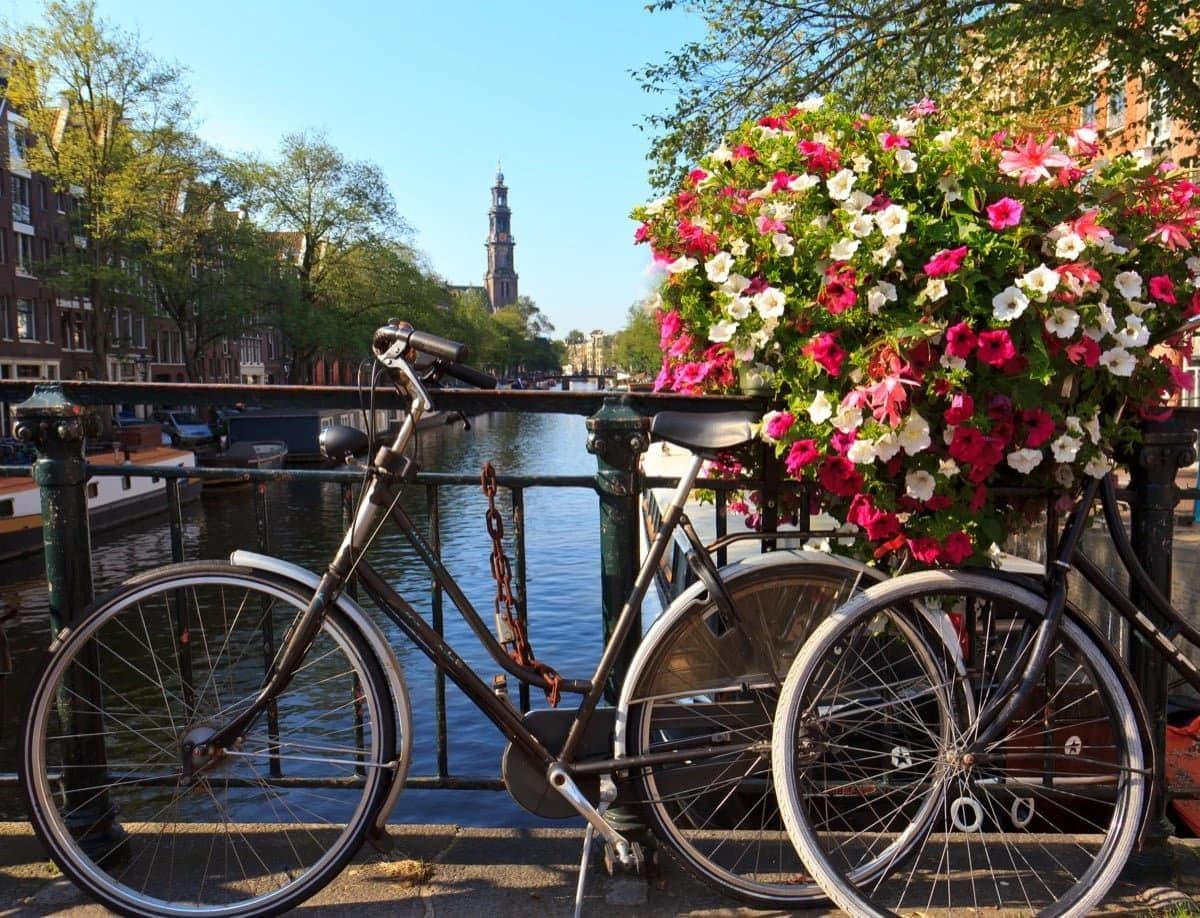
Always lock to a fixed, immovable object — a bike rack, a sturdy metal post, or a railing that is bolted to the ground. Check that the object is tall enough that the bike cannot be lifted over it. Avoid signposts that can be unbolted from the base, thin trees, or wooden fences.
Lock through the frame first, not just a wheel. A wheel can be removed in seconds with a quick-release lever. The ideal setup is: U-lock through the frame and rear wheel, cable through the front wheel and frame.
Secure your saddle and seatpost if they use a quick-release clamp. A simple cable loop or a seatpost bolt replacement costs a few euros and prevents opportunistic theft of components.
Keep the lock mechanism facing downward — this makes it harder for a thief to work on the keyhole with picks or leverage tools.
Where to Park: Smart Habits on Tour
Location matters as much as your lock. On a cycling tour through places like the Puglia coast or the Umbrian countryside, you will stop in small towns where theft risk is generally low. But in larger cities at the start or end of a route, extra caution is warranted.
Park in busy, visible locations. A bike locked on a main street with foot traffic is far less attractive to a thief than one tucked away in a quiet alley. Thieves need time and privacy — deny them both.
Avoid leaving your bike overnight outdoors in cities. Self-guided tour packages include hotel accommodation where bikes can typically be stored in a locked garage, a luggage room, or even your room. Always ask your hotel about secure bike storage when you check in.
At lunch stops, choose a restaurant with outdoor seating where you can see your bike, or ask the staff if you can bring it inside or store it in a back room. In most European cycling regions, restaurant owners are accustomed to touring cyclists and happy to help.
If you are riding with others, lock your bikes together. Multiple bikes chained to each other and to a fixed object create a much bigger deterrent than a single bike alone.
Making Your Bike Less Attractive to Thieves
Thieves are opportunists. They look for easy targets — clean, expensive-looking bikes with weak locks. A few simple steps can make yours less appealing:
Remove visible accessories when you park: bike computer, lights, saddlebag with valuables. These signal an expensive setup and are easy to grab.
Register your bike with a national cycling registry or note down its serial number (usually stamped under the bottom bracket). This will not prevent theft, but it dramatically increases the chance of recovery if police find it.
Photograph your bike before the trip — serial number, distinctive features, overall shots. If the worst happens, you will have everything you need for a police report and insurance claim.
On a self-guided tour, you are typically riding a rental bike provided by the tour operator. These are covered by the operator's insurance, which removes much of the financial worry. Check your tour package details for the specific insurance coverage included.
What to Do If Your Bike Is Stolen on Tour
If it happens despite your precautions, act quickly. File a police report immediately — you will need it for any insurance claim. Contact your tour operator's 24/7 support hotline (included in all self-guided packages on Life on a Bike) and they will arrange a replacement bike so your holiday can continue. Take photos of the broken lock and the location. Check nearby CCTV cameras and ask local businesses if they saw anything.
Frequently Asked Questions
What is the best lock for a cycling tour?
A compact U-lock offers the best security-to-weight ratio for touring. For maximum protection, combine it with a lightweight cable lock to secure both wheels. Look for locks rated "Sold Secure Gold" or equivalent.
Should I bring my own lock on a self-guided tour?
Most tour operators provide a basic cable lock with rental bikes. If you want stronger protection, especially in cities, bringing your own U-lock is worthwhile. It adds about 800g to 1.2kg to your luggage.
Are e-bikes more likely to be stolen?
E-bikes are higher-value targets, yes. However, they are also heavier and harder to ride away quickly without the key. Always remove the display unit and battery key when parking. Many e-bikes on guided tours have integrated locks as well.
Is bike theft common in rural Europe?
Theft is rare in the small towns and countryside that most cycling tours pass through. The highest risk is in large cities, transport hubs, and popular tourist areas. Rural stops on routes like the Trabocchi Coast or Umbrian Valley loop through Assisi, Spoleto and Montefalco are generally very safe.
What happens if a rental bike is stolen during my tour?
Contact your tour operator immediately via the 24/7 support line included in your package. They will arrange a replacement bike, usually within hours. File a police report for the insurance process. Most operators include basic theft coverage, though an excess may apply.
Can I insure my own bike for a cycling tour?
Yes. Many home insurance policies cover bicycles abroad, or you can purchase specialist cycling insurance. Check that the policy covers the full replacement value and includes coverage for accessories and luggage. Keep proof of value, such as a purchase receipt and photos.