The last day of a cycling holiday is always bittersweet. You have spent a week riding through beautiful landscapes, eating well, sleeping deeply, and living at the rhythm of the road. Then suddenly you are back at your desk, the bike is in the garage, and the tan is the only evidence that any of it happened. The post-holiday dip is real, and it hits cyclists harder than most — because a cycling trip engages body and mind in a way that a beach holiday does not. Here is how to manage the transition and keep the cycling spirit alive.
Why Cycling Holidays Create Stronger Post-Trip Blues
A cycling tour is not a passive holiday. You are physically active for 4–6 hours a day, your senses are fully engaged with the landscape, and you experience a sense of accomplishment with every stage completed. Your body adapts to this rhythm within 2–3 days: you sleep better, eat with genuine hunger, and your mood stabilises.
When you return to a sedentary office routine, the contrast is stark. Your body misses the movement, your mind misses the stimulation, and the daily satisfaction of covering ground under your own power is replaced by spreadsheets. Understanding this helps — the blues are not a sign of weakness but a natural response to a genuinely positive experience ending.
Come Home a Day Early
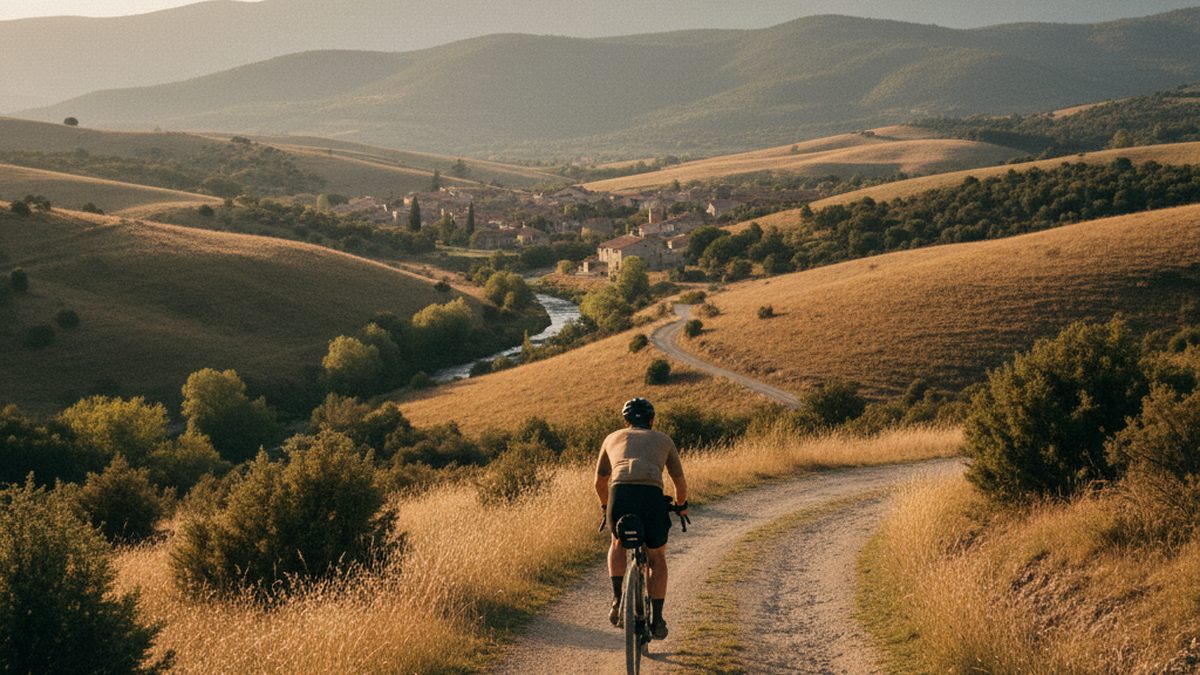
The single most effective strategy is to build a buffer day between the end of your trip and the start of work. Flying home on Sunday evening and going to work on Monday morning is a recipe for shock. Instead, return on Saturday, spend Sunday at home: unpack slowly, do laundry, buy groceries, and ease your body back into its regular sleep schedule.
This transition day lets you process the trip mentally. Sort through your photos, message your travel companions, and let the experience settle before the demands of work crowd it out.
Keep Cycling at Home
The most direct antidote to post-trip blues is to keep riding. You do not need to do 60 km a day — even a 30-minute cycle commute or an evening ride around your neighbourhood maintains the physical and mental benefits you gained on tour.
If you cycled for a week on holiday, your fitness is better than it was before you left. Use that momentum. Join a local cycling group, explore routes near home that you have been meaning to try, or simply ride to the supermarket instead of driving. The point is to keep the bicycle as part of your daily life, not something that only comes out for holidays.
Plan Your Next Trip
Research consistently shows that anticipation accounts for a significant portion of the happiness we derive from holidays. Having a future trip to look forward to — even if it is months away — provides a psychological anchor that makes the return to routine easier.
Start browsing. If you rode through Puglia this summer, maybe the Umbrian countryside next spring. If you loved the Trabocchi Coast, consider the Italian Riviera from Nice to Genoa. Having a next destination in mind transforms post-trip nostalgia into productive planning.
Protect Your Weekends
The first few weekends after returning are critical. Resist the temptation to catch up on work or fill them with chores. Instead, treat them as mini-holidays: go for a long ride, visit somewhere new nearby, eat at a restaurant you have been meaning to try. The weekend is your pressure valve — use it to maintain the sense of freedom and exploration that made your cycling holiday so satisfying.
Autumn weekends are particularly good for cycling in many parts of Europe: the summer crowds have gone, the light is golden, and the temperatures are comfortable. A Saturday morning ride through autumn colours can feel almost as good as a day on tour.
Share and Relive the Experience
Do not fight the nostalgia — use it. Put together a photo album (even a digital one), write a short journal entry about your favourite day, or simply tell the story of your trip to friends over dinner. Reliving positive experiences through storytelling reinforces the memories and extends the emotional benefit of the holiday well beyond the trip itself.
If you kept a cycling app running during your tour (Strava, Komoot, or similar), review your routes and stats. Seeing the total kilometres, elevation, and the map of your journey provides a satisfying sense of accomplishment that desk work rarely delivers.
Frequently Asked Questions
Is post-vacation syndrome a real thing?
Yes. Psychologists recognise it as a common response to the transition from a stimulating holiday back to routine. Symptoms include low mood, difficulty concentrating, irritability, and fatigue. It typically lasts 1–2 weeks and resolves naturally, especially if you maintain physical activity.
How long do post-holiday blues last?
Most people feel back to normal within 1–2 weeks. Maintaining exercise (especially cycling), protecting your sleep schedule, and having a future trip to plan all shorten the adjustment period.
Does cycling help with mood after a holiday?
Absolutely. Cycling triggers endorphin release, improves sleep quality, and provides a sense of achievement — all of which counteract post-trip low mood. Even 30 minutes of cycling per day makes a measurable difference.
When should I start planning my next cycling holiday?
As soon as you want to. Booking 3–6 months in advance gives you the best choice of dates and accommodation, especially for popular routes in peak season (June–September). Early booking also gives you something concrete to look forward to. Browse our tour collection for inspiration.
How can I keep cycling in winter?
Cycle commuting is the easiest way to maintain the habit year-round. Invest in waterproof clothing, good lights, and mudguards. Indoor trainers (Zwift, etc.) are an alternative if weather is extreme. Some cyclists plan a short winter cycling break in southern Europe — the Algarve, Sicily, and southern Spain are rideable year-round.