

Cargo bikes have moved from niche utility vehicles to mainstream transport in cities across Europe. They carry children, groceries, tools, and even furniture — replacing car trips for millions of families and businesses. Whether you are considering a cargo bike for daily commuting, school runs, or weekend adventures, this guide covers the main types, what to look for, and how they fit into a cycling lifestyle.

Types of Cargo Bikes
Cargo bikes come in three main configurations. Front-loaders (also called bakfiets or box bikes) have a large cargo box between the handlebars and the front wheel. They offer the most carrying capacity — up to 100 kilograms — and are the most popular choice for families with young children. Longtail bikes extend the rear of the frame to accommodate a longer cargo rack, carrying children on bench seats or large panniers on either side. They are narrower than front-loaders and handle more like a standard bicycle. Midtail bikes are a compact compromise, with a slightly extended rear that carries one child or moderate cargo without the bulk of a full longtail.
Electric Assist — Almost Essential

While pedal-only cargo bikes exist, the additional weight of the bike plus cargo makes electric assist almost essential for practical daily use. A motor rated between 250 and 500 watts transforms a loaded cargo bike from a workout into normal transport. Battery range varies from 40 to 100 kilometres depending on load, terrain, and assist level. Most e-cargo bikes use mid-drive motors (Bosch, Shimano, Brose) that provide natural-feeling power delivery. Hub motors are cheaper but less responsive under heavy loads. Budget at least €3,000 to €5,000 for a quality electric cargo bike — less expensive options exist but often compromise on battery quality or frame durability.
Carrying Children Safely
Cargo bikes are one of the safest ways to transport children by bicycle. Front-loader boxes typically include built-in bench seats with three-point harness systems, a rain canopy, and a windscreen. Children sit low, within the rider's line of sight, and protected by the box structure. Longtail bikes use rear-mounted child seats or bench seats with footrests and grab handles. For very young children (under one year), a front-loader with a Maxi-Cosi adapter allows you to click an infant car seat directly into the cargo box.
Cargo Bikes for Commuting and Errands
A cargo bike replaces a car for most urban journeys. A weekly grocery shop fits easily in a front-loader box or longtail panniers. Commuters use them to carry laptops, work gear, and a change of clothes without needing a backpack. Small business owners — florists, coffee vendors, delivery services — increasingly use cargo bikes as their primary work vehicles. The operating cost is a fraction of a car: no fuel, no parking, no insurance (in most European countries), and minimal maintenance.
Cargo Bikes in Winter
Cargo bikes are not just fair-weather vehicles. In Copenhagen and Amsterdam, they are used year-round, including through snow and freezing temperatures. The key adaptations for winter are: studded tyres for icy roads, mudguards to protect cargo and rider, a rain canopy for children, and warm clothing for the rider. The low centre of gravity of most cargo bikes actually provides better stability than a standard bicycle in slippery conditions. Battery performance drops in cold weather — expect 20 to 30 percent less range below 5°C — so charge overnight in a warm space.
From Cargo Bike to Touring Bike
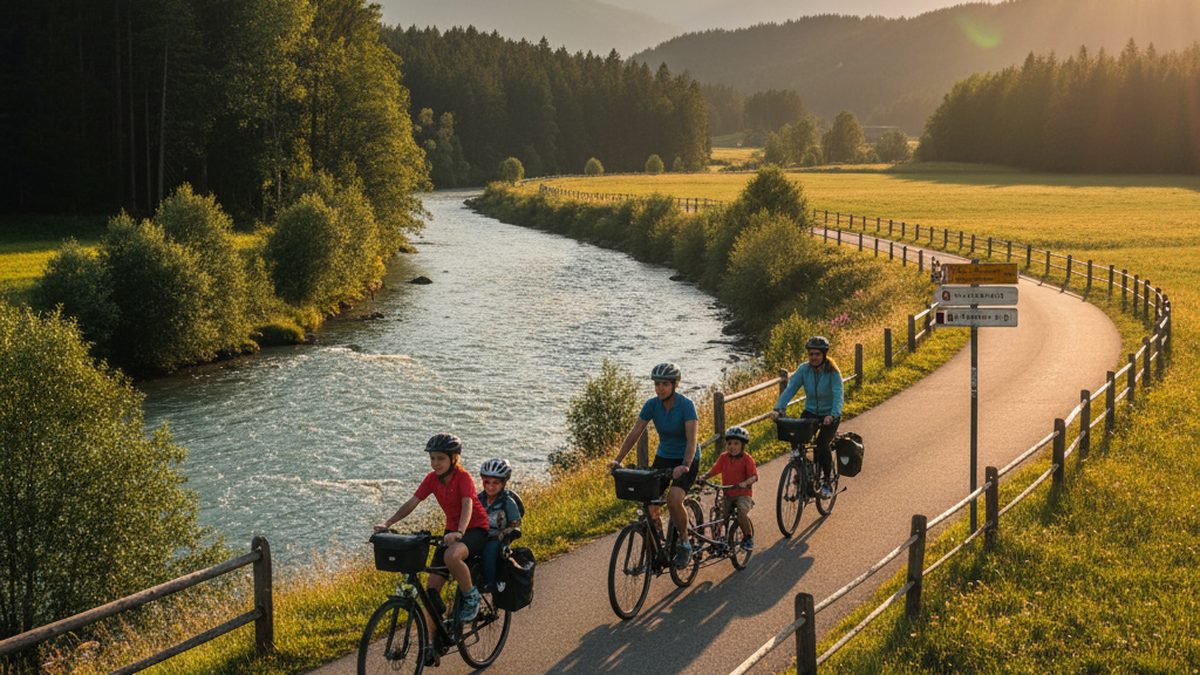
Families who discover cycling through a cargo bike often develop an appetite for longer rides and multi-day tours. The transition from urban cargo cycling to touring is natural — the fitness, route-finding skills, and confidence you build riding daily transfer directly to cycle touring. The Adige Valley family tour is an ideal first touring experience for cargo bike families: flat, car-free paths, short daily distances, and bike rental included so you do not need to transport your own bike. The Tour of Salento is another excellent family-friendly option. Browse the full tour catalogue for more family cycling holidays.
Frequently Asked Questions
How much does a cargo bike cost?
Quality electric cargo bikes range from €3,000 to €7,000 depending on the type, motor, and accessories. Non-electric cargo bikes start around €1,500. Government subsidies are available in many European countries and cities, reducing the purchase price by €500 to €2,000.
Can I ride a cargo bike without electric assist?
Yes, but it requires significantly more effort, especially when loaded. Flat cities like Amsterdam and Copenhagen make pedal-only cargo bikes practical. In hilly terrain, electric assist is strongly recommended.
How many children can a cargo bike carry?
Most front-loader cargo bikes carry two to three children in the box. Longtail bikes typically carry two children on the rear bench. Check the manufacturer's maximum load rating — most range from 80 to 200 kilograms total cargo capacity.
Are cargo bikes safe in traffic?
Cargo bikes are as safe as any bicycle in traffic, with the advantage of greater visibility due to their size. Children in a front-loader box are protected by the box structure and sit within the rider's line of sight. Use dedicated cycle lanes wherever available and fit lights and reflectors for visibility.
Can I take a cargo bike on a cycling holiday?
Transporting a cargo bike is impractical for most holidays due to size and weight. Self-guided cycling tour operators provide appropriately sized rental bikes including children's bikes, making it easy to enjoy a family cycling holiday without transporting your own equipment.