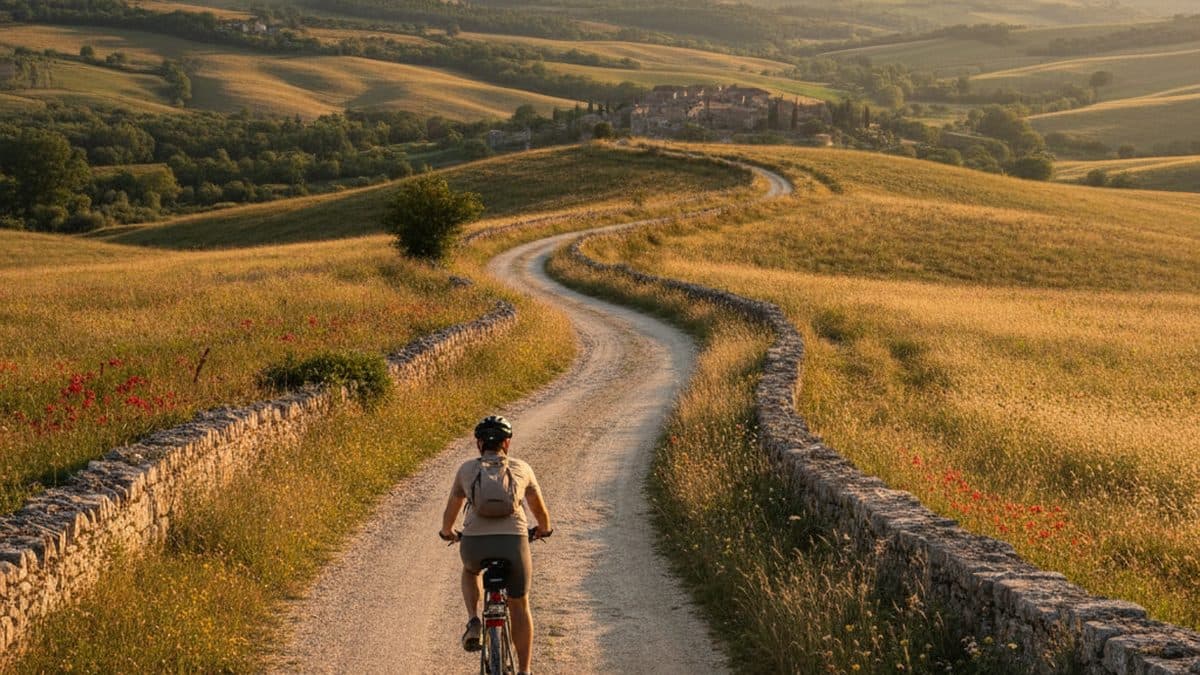
The right bicycle transforms a child's relationship with cycling. Too large and they struggle to control it; too small and they outgrow it in months. The key is matching wheel size to your child's height and inseam, then checking that the bike's weight, brakes, and geometry are appropriate for their age and ability. This guide covers everything you need to know to make a confident choice.
Wheel Size by Age and Height
Children's bikes are categorised by wheel diameter rather than frame size. The standard progression is: 12-inch wheels for ages two to four (height 85–100 cm), 14-inch for ages three to five (95–110 cm), 16-inch for ages four to six (105–120 cm), 20-inch for ages six to nine (115–135 cm), and 24-inch for ages eight to twelve (130–155 cm). These ranges overlap because height matters more than age. The most reliable test is the standover height: your child should be able to stand over the top tube with both feet flat on the ground and at least two centimetres of clearance. When seated, they should reach the pedals with a slight bend in the knee at the bottom of the stroke.
Weight Matters More Than You Think
A child's bike should weigh no more than 30 to 40 percent of the child's body weight. Many cheap children's bikes weigh 10 to 12 kilograms — nearly half the weight of a five-year-old — making them exhausting to ride and difficult to control. Quality children's bikes from brands like Frog, Woom, and Islabikes weigh 5 to 8 kilograms for the same wheel size, which makes an enormous difference to how much a child enjoys riding. The investment in a lighter bike pays off in enthusiasm and confidence.
Brakes: Coaster, Rim, or Both
Small children (under five) often start with a coaster brake, which engages when they pedal backwards. This is intuitive but offers less control than hand brakes. From age five or six, children should transition to hand-operated rim brakes with levers sized for small hands — look for short-reach levers that a child can squeeze comfortably. Some bikes offer both coaster and rim brakes during the transition period. Disc brakes appear on higher-end children's bikes in the 20-inch and 24-inch categories and offer the best stopping power in wet conditions.
Gears: When to Add Them
Single-speed bikes are ideal for children under seven or eight. They are simpler to maintain, lighter, and eliminate the confusion of gear shifting while a child is still mastering balance and braking. From the 20-inch wheel size upward, gears become useful, especially if your family rides hilly terrain. Start with a simple setup — six or seven gears on the rear cassette with a single chainring — rather than a full adult-style drivetrain. Grip shifters (twist-to-shift) are easier for small hands than trigger shifters.
Bikes for Family Cycling Holidays
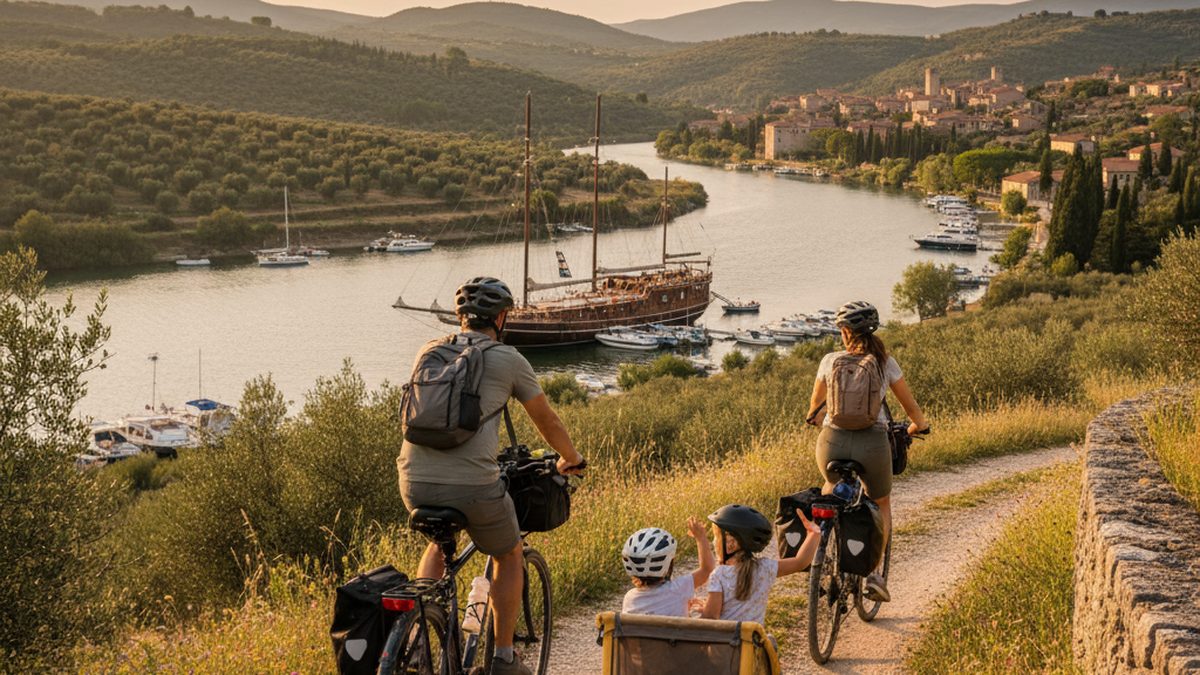
If you are planning a family cycling holiday, the bike your child uses at home may not be ideal for multi-day touring. Self-guided tour operators typically offer children's bikes sized appropriately as part of the rental package, so you do not need to transport your own. The Adige Valley family tour and the Umbrian Valley short break are both designed for families with children and include bike rental with properly sized children's bikes. E-bikes are also available for parents, which helps when the family includes riders of very different fitness levels.
Frequently Asked Questions
Should I buy a bike my child can grow into?
No. A bike that is too large is unsafe — the child cannot reach the ground, the brakes, or the handlebars properly. Buy the correct size now and plan to replace it as they grow. Second-hand markets for quality children's bikes are strong, so resale value offsets much of the cost.
Are balance bikes worth it?
Yes. Balance bikes (no pedals, no training wheels) teach children to balance naturally and make the transition to pedal bikes much smoother. Most children who learn on a balance bike skip training wheels entirely and ride a pedal bike confidently from age four or five.
How often should I replace my child's bike?
Children typically outgrow a bike every two to three years between ages three and twelve. Check sizing at least twice a year by having your child stand over the frame and sit on the saddle.
Do children need cycling helmets?
A properly fitted helmet is essential for all children cycling, regardless of age or route. Look for helmets certified to EN 1078 (European standard) with adjustable straps and a dial-fit system at the back for a secure fit. The helmet should sit level on the head, covering the forehead.
What age can children join a bike tour?
Most self-guided family tours are designed for children aged ten and above who can ride independently for 30 to 50 kilometres per day. Younger children can join in a trailer or child seat. Browse the tour catalogue and filter for family-friendly options to find routes suitable for your children's ages.