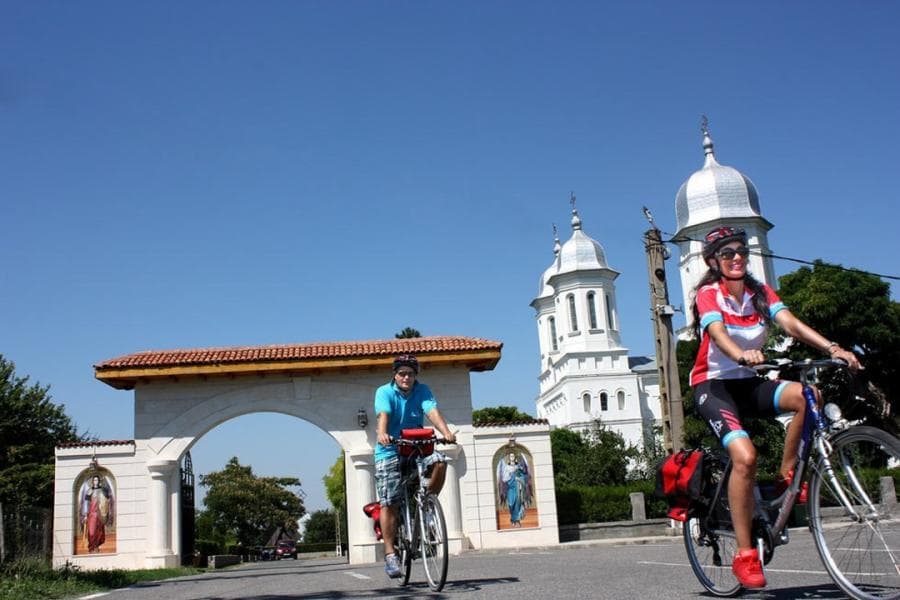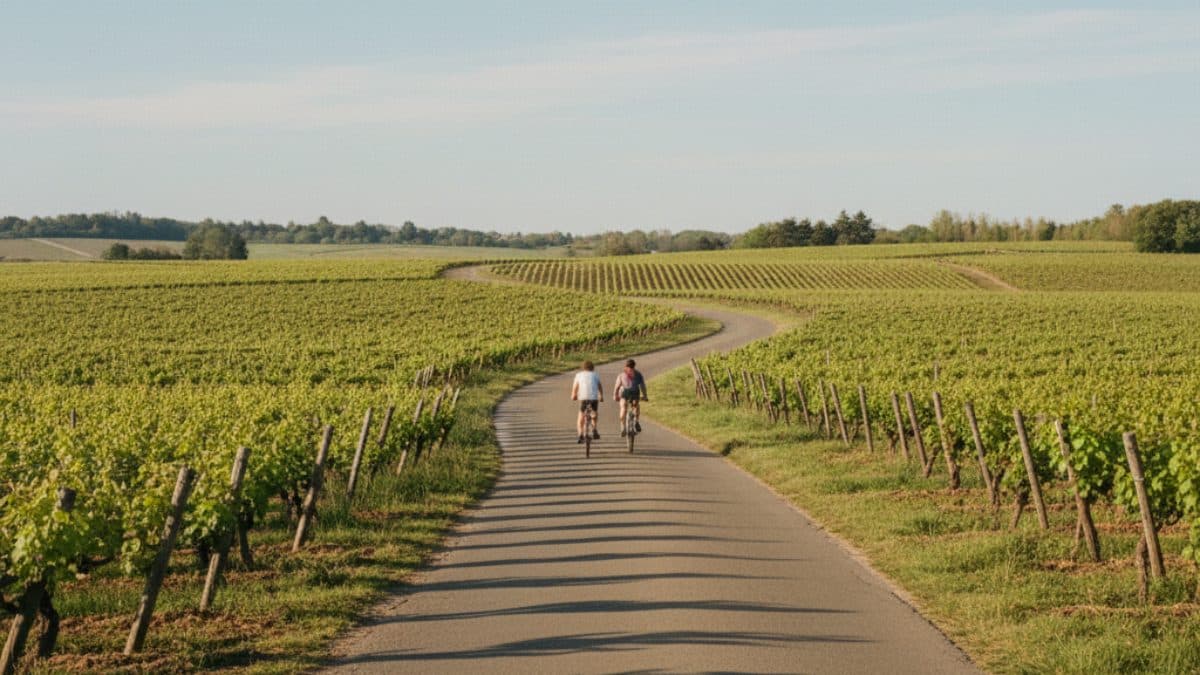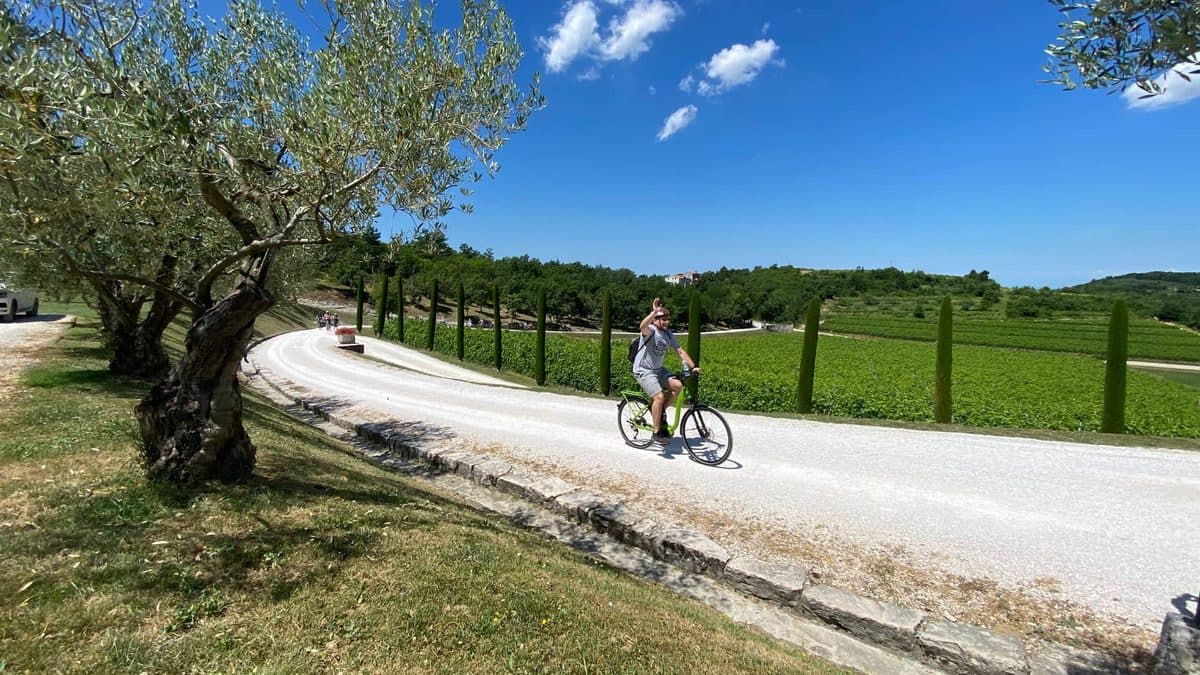
The right accessories can transform a cycling tour from an endurance test into a comfortable, safe, and genuinely enjoyable experience. But the cycling industry sells a bewildering range of gadgets, and not all of them are worth carrying. This guide focuses on the accessories that actually matter for touring cyclists — the ones that improve safety, navigation, and comfort on multi-day rides through Europe. The examples come from routes we know well, including our cycling tours in Italy.
GPS Bike Computer: Your Most Important Accessory
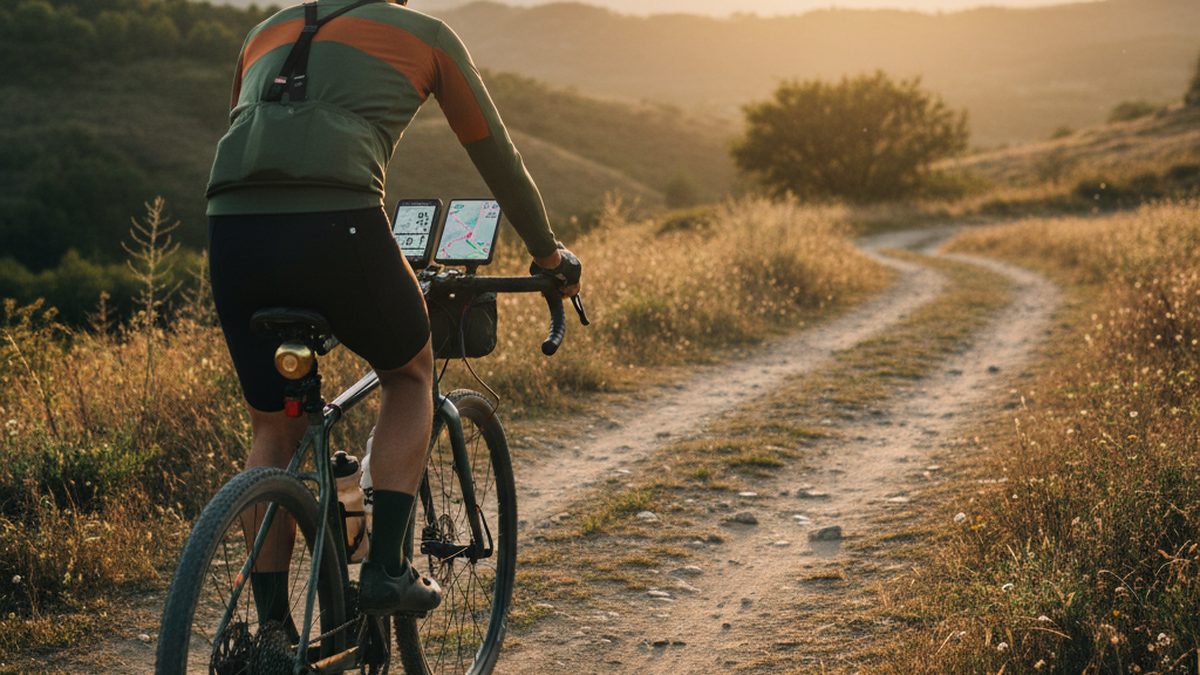
A dedicated GPS bike computer has replaced paper maps as the essential touring tool. Modern devices from Garmin, Wahoo, and Hammerhead display turn-by-turn navigation from pre-loaded routes, track distance and speed, and last 10–20 hours on a single charge — far longer than a smartphone running navigation apps.
For self-guided cycling tours, a GPS computer is particularly valuable. Tour operators provide GPX route files that load directly onto the device, showing your exact route with turn alerts. This means you can keep your phone in your pocket (saving battery for photos and emergencies) and follow the route without stopping to check a screen.
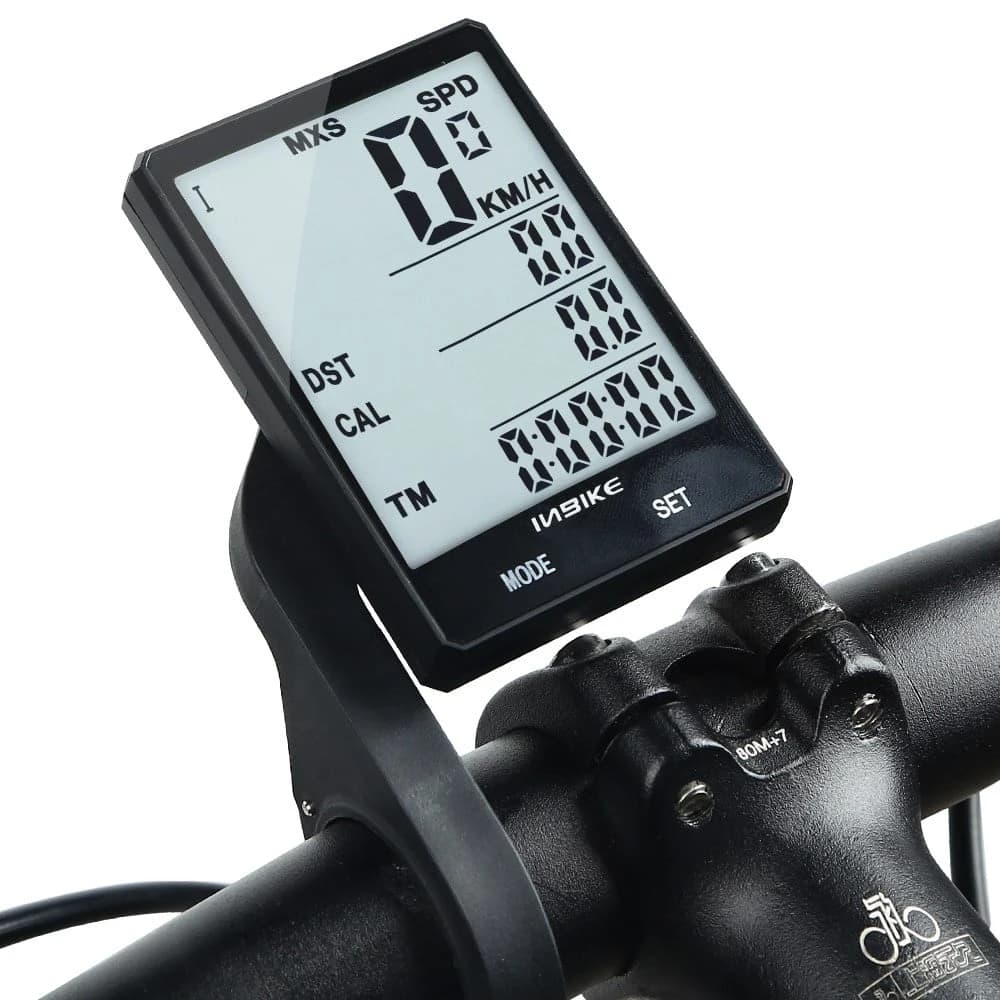
If you prefer simplicity, a basic bike odometer still does its job. Knowing your distance and speed is motivating on long days, and a simple wired or wireless computer weighs almost nothing and costs under €30.
Lights: Essential Even in Daylight
Many touring cyclists skip lights because they plan to ride only during the day. This is a mistake. European cycling routes regularly pass through tunnels, underpasses, and dense forest sections where visibility drops suddenly. A front light and rear light weigh almost nothing and can prevent a serious accident.
For touring, choose rechargeable USB lights with at least 400 lumens up front and a flashing rear light visible from 200 metres. Mount them permanently — removing and reattaching lights daily is the fastest way to forget them entirely. Some modern lights combine front illumination with a bell and a horn, solving two problems in one handlebar-mounted unit.
Helmet: Non-Negotiable
Helmet laws vary across Europe, but wearing one is always a good idea on a cycling tour. Modern helmets are lightweight (250–300g), well-ventilated, and far more comfortable than older designs. Some touring-specific models include integrated rear lights, sun visors, and MIPS technology (a liner that reduces rotational impact forces in a crash).
The most important factor is fit. A helmet that does not fit properly will not protect you. Try several models before your trip, and look for adjustable retention systems that let you fine-tune the fit. On a self-guided tour, if you are renting a bike, most operators include a helmet — but bringing your own ensures a perfect fit.
Bell: Small but Legally Required
A bell is a legal requirement in many European countries (including Germany, Austria, and Italy) and a practical necessity on shared cycle paths. A clear, friendly ring warns pedestrians and slower cyclists of your approach without startling them. Compact brass bells from companies like Knog or Spurcycle produce a clear, long-lasting tone and mount neatly to the handlebars.
On busy cycle paths like the Loire à Vélo from Orléans to Tours or the Trabocchi Coast, a bell is used constantly. It is one of those accessories you do not think about until you need it — and then you are glad it is there.
Lock: Peace of Mind at Every Stop
Even on a guided or self-guided tour, you will leave your bike unattended at lunch stops, viewpoints, and shops. A lightweight cable lock provides basic deterrence for short stops, while a compact U-lock offers real security in towns and cities. The weight penalty is 300g–1.2kg depending on the lock type — a worthwhile trade for peace of mind.
Most tour operators provide a basic lock with rental bikes, but if you are riding your own bike or want extra security, carrying your own is recommended.
Repair Kit: The Basics
A basic repair kit weighs under 500g and can save your day. At minimum, carry a spare inner tube, tyre levers, a mini pump or CO2 inflator, and a multi-tool with Allen keys. On a self-guided tour, the operator's support hotline can arrange mechanical assistance, but being able to fix a flat tyre yourself means you are back on the road in 10 minutes instead of waiting an hour.
If your bike runs tubeless tyres (increasingly common on touring and gravel bikes), carry a tubeless repair kit with plugs instead of a spare tube.
Water Bottles and Hydration
Two water bottle cages and two 750ml bottles are standard for touring. In warm climates like southern Italy or Portugal, hydration is critical — plan to drink 500ml per hour of riding. Insulated bottles keep water cool for longer. If your route passes through areas without regular water stops, a hydration pack (1.5–2L bladder in a small backpack) provides extra capacity.
What You Do Not Need
The cycling industry excels at selling accessories that solve problems you do not have. For a touring holiday, you can safely leave behind: power meters, heart rate monitors (unless you genuinely use training data), aero bars, clip-on mudguards (your tour bike should already have them), and any gadget that requires daily charging. Keep it simple, keep it light, and focus on enjoying the ride.
For a complete packing list, see our guide on how self-guided tours work, which covers everything from clothing to documents.
Frequently Asked Questions
What accessories are included with a rental bike on a self-guided tour?
Most operators include a helmet, a basic lock, a repair kit with pump, and a handlebar bag or pannier. GPS devices are sometimes included or available as an add-on. Water bottle cages and bottles are standard. Check your specific tour package for details.
Do I need a GPS bike computer or can I use my phone?
A phone works but has drawbacks: battery drain, screen visibility in sunlight, and vulnerability to rain and vibration. A dedicated GPS computer lasts 10–20 hours per charge and is designed for outdoor visibility. For multi-day tours, a GPS computer is the better choice.
Is a helmet compulsory for cycling in Europe?
Helmet laws vary by country. Helmets are mandatory in Spain and parts of France (outside urban areas). In Italy, Germany, and Austria, helmets are not legally required for adults but are strongly recommended. Children under 12–16 must wear helmets in most countries.
What type of lock should I bring on a cycling tour?
A lightweight cable lock (300–500g) is sufficient for short stops at cafes and viewpoints. For overnight security in cities or if riding a high-value bike, a compact U-lock provides stronger protection. Most tour operators provide a basic lock with rental bikes.
How much do essential cycling accessories cost?
A basic touring accessory kit costs €100–200: GPS computer (€150–300 or use your phone), lights (€30–50), bell (€10–20), lock (€20–60), repair kit (€15–25), and bottles (€10–20). If renting a bike on a self-guided tour, most of these are included.