
The Loire Valley is the most beginner-friendly long-distance cycling destination in France, and one of the most beautiful anywhere in Europe. A UNESCO World Heritage landscape often called the Garden of France, it pairs flat, well-signed cycle paths with a density of Renaissance châteaux, vineyards, and riverside villages that is unmatched on the continent. Whether you want a gentle family weekend, a classic week among the great castles, or a full crossing of the valley from the vineyards to the Atlantic, there is a route here for you. This guide explains how cycling the Loire works, walks through every self-guided tour we offer, and gives practical advice on châteaux, wine, timing, and choosing the right itinerary.
The Loire à Vélo: France's Most Famous Cycle Route
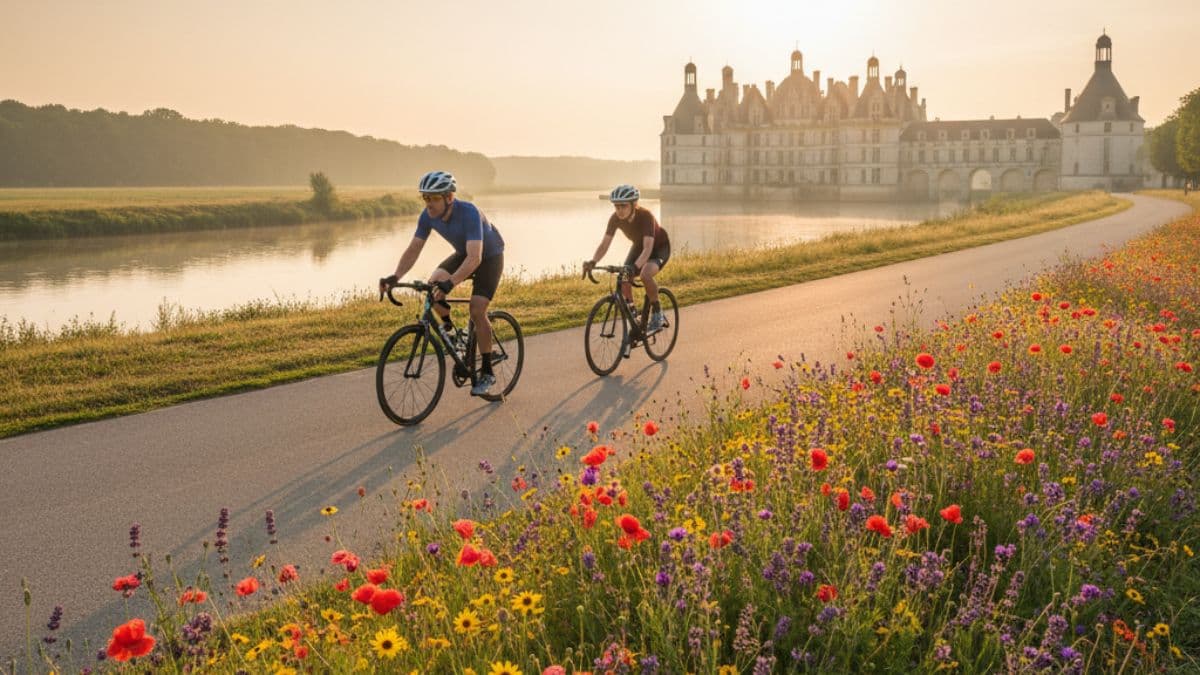
The backbone of cycling in the region is the Loire à Vélo, a continuous, mostly flat cycle route that follows the last wild river in Europe for hundreds of kilometres. It is largely traffic-free, well signposted, and runs past the doorstep of the most famous châteaux, which makes it ideal for riders of every level — including families and confident beginners. Because the terrain is so gentle, the route works equally well on a trekking bike or an e-bike, and daily distances on our tours are designed to leave plenty of time for château visits, wine tastings, and long riverside lunches.
One of the most complete ways to experience it is the Loire à Vélo from Orléans to Angers, a self-guided ride that links the valley's great château towns into a single continuous journey.
The route's other great advantage is logistics. It is built around the regional rail network, so most itineraries start and finish at towns with direct train connections, and on self-guided trips your luggage is moved between hotels for you. You simply ride from one castle town to the next with a day bag.
Riding the Loire à Vélo End to End
If you want to follow the river as a journey, several linear tours connect into the full length of the Loire à Vélo, and you can ride one section or string them together. The upper section, the seven-day Nevers to Orléans tour, is the lesser-known and quietest stretch, taking in the Sancerre vineyards, the spectacular Briare canal bridge, and the moated château of Sully-sur-Loire before finishing in Joan of Arc's city.
From there the classic château corridor begins. The six-day Orléans to Tours tour rolls past Chambord, Blois, Chaumont, and Amboise, while the seven-day Blois to Tours tour concentrates on the greatest châteaux of all — Chambord, Chenonceau, Amboise, and the Renaissance gardens of Villandry. For a longer westward ride, the seven-day Blois to Saumur tour links five UNESCO-listed châteaux including the fairy-tale Château d'Ussé and Fontevraud Abbey.
Continuing downstream, the six-day Tours to Angers tour covers the most castle-rich stretch of the valley — Villandry, Ussé, Chinon, and the tapestry fortress of Angers — through the Anjou vineyards. Finally, the seven-day Angers to the Atlantic tour traces the river's last journey to the sea, past Nantes, the salt marshes of Guérande, and the wild Atlantic coast at Le Croisic.
The Classic Châteaux Loops and Discovery Tours
If your priority is the castles rather than covering distance, the discovery tours concentrate the highlights into a compact area around Blois and Amboise. The six-day Loire Castles Cycling Discovery is the most popular introduction, with flat riding past Chambord, Chenonceau, and the royal château of Amboise, plus Leonardo da Vinci's Clos Lucé. The longer eight-day Cycling Discovery in Châteaux Country adds the Vouvray vineyards, the mysterious Sologne forest, and more time among the great castles.
Travelling with children? The seven-day Loire Family Cycling tour from Blois to Amboise is built specifically for families, with short, easy stages, a natural bathing pool near Chambord, the Tintin-inspiring Château de Cheverny, and an optional canoe trip on the Loire.
Short Breaks and Centre-Based Stays
You do not need a full week to experience the Loire. The centre-based short breaks let you settle into one base and ride out to a different château each day, with no luggage transfers at all. The four-day Loire Castles Superior Cycling Stay is based in a charming auberge at Chitenay, with day rides to Chambord, Cheverny, Blois, and Chaumont-sur-Loire. The four-day Royal Cycling Escape from Amboise uses the royal town of Amboise as its hub, with quiet-lane rides to Chenonceau, Chaumont, and the Vouvray wine country. Both are ideal for a long weekend or as an add-on to a longer French trip.
Off the Beaten Track: Saumur to Chinon
For riders who want the Loire's atmosphere without the busiest sections, the eight-day Saumur to Chinon escape is a loop through the valley's quieter western reaches. It threads troglodyte cave villages, the Saumur-Champigny vineyards, Fontevraud Abbey, the medieval fortress of Chinon, and the gardens of Villandry — a slower, more local side of château country, with several accommodation categories to choose from.
Cycling the Loire in Luxury
The Loire is also one of the best places in France for a high-end cycling holiday, because so many of its finest hotels are châteaux in their own right. The seven-day Deluxe Cycling Getaway in Château Country pairs rides between Chambord and Chenonceau with evenings in five-star properties such as Fleur de Loire and Les Sources de Cheverny, plus a gourmet lunch at the foot of Chambord. For the most refined option, the eight-day Luxury Loire Valley Deluxe tour loops from Amboise through six of the valley's most famous châteaux, staying in four- and five-star château-hotels including the Château d'Artigny, with spa days, Vouvray wine tastings, and an optional hot-air balloon flight over the castles.
Châteaux Not to Miss
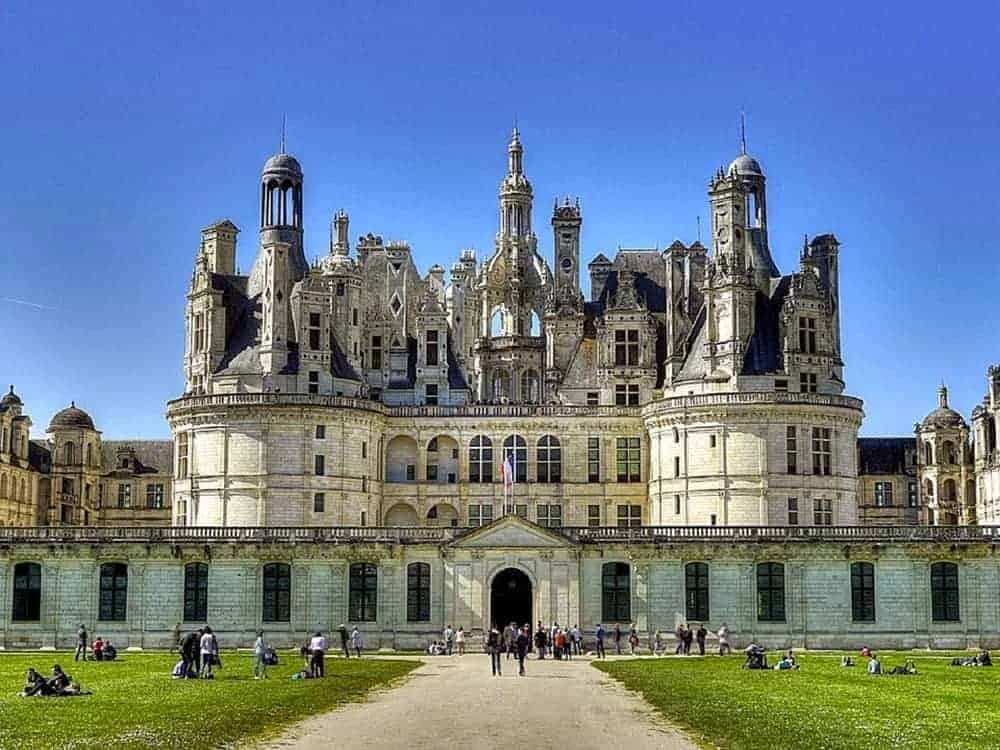
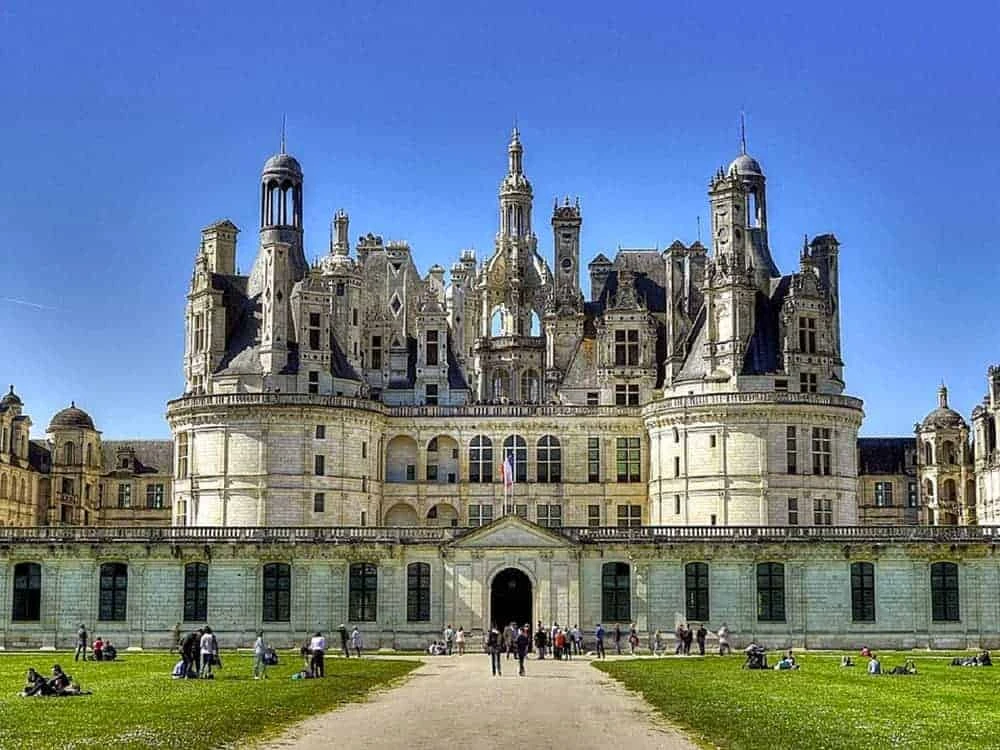
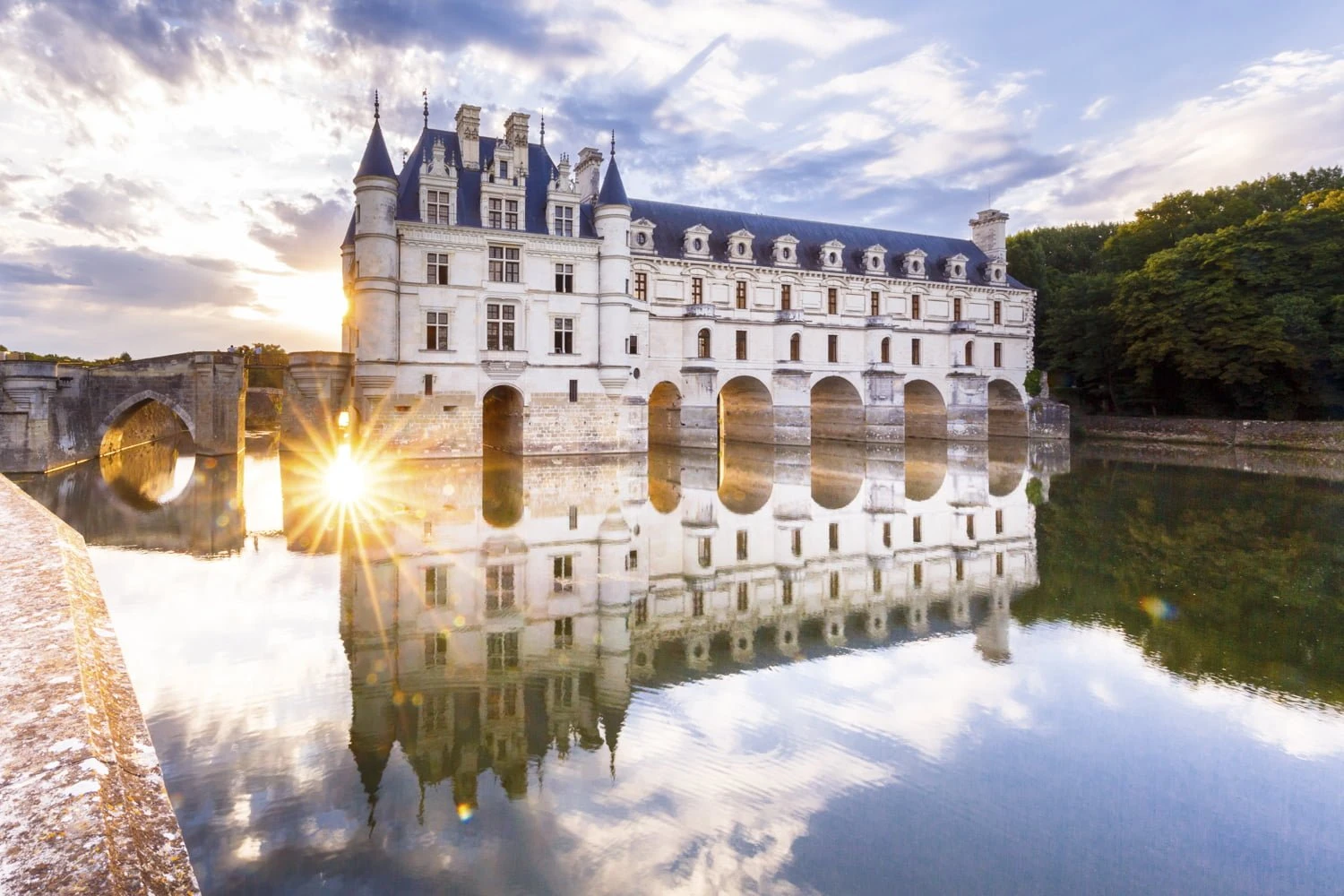
The castles are the reason most people come, and a few stand out. Chambord is the largest, a 440-room Renaissance masterpiece with a double-helix staircase often attributed to Leonardo da Vinci. Chenonceau, the elegant arched château spanning the Cher, is the most photographed in France. Amboise and the neighbouring Clos Lucé mark Leonardo's final home, while Villandry is famous for its geometric Renaissance gardens. Smaller gems — Cheverny, Chaumont-sur-Loire with its International Garden Festival, and the fairy-tale Ussé said to have inspired Sleeping Beauty — are scattered along the routes and easy to fold into a day's ride.
Wine Along the Route
The Loire is one of France's great wine regions, and the cycle paths run straight through the vineyards. In the east you will pass the crisp whites of Sancerre; through the central valley come the sparkling and still wines of Vouvray and Montlouis; further west are the reds of Chinon and Saumur-Champigny and the whites of Anjou and Savennières. Many of our tours include tastings, and you can stop at producers along the way — the gentle pace of riding makes the Loire an ideal place to explore them.
Best Time to Cycle the Loire
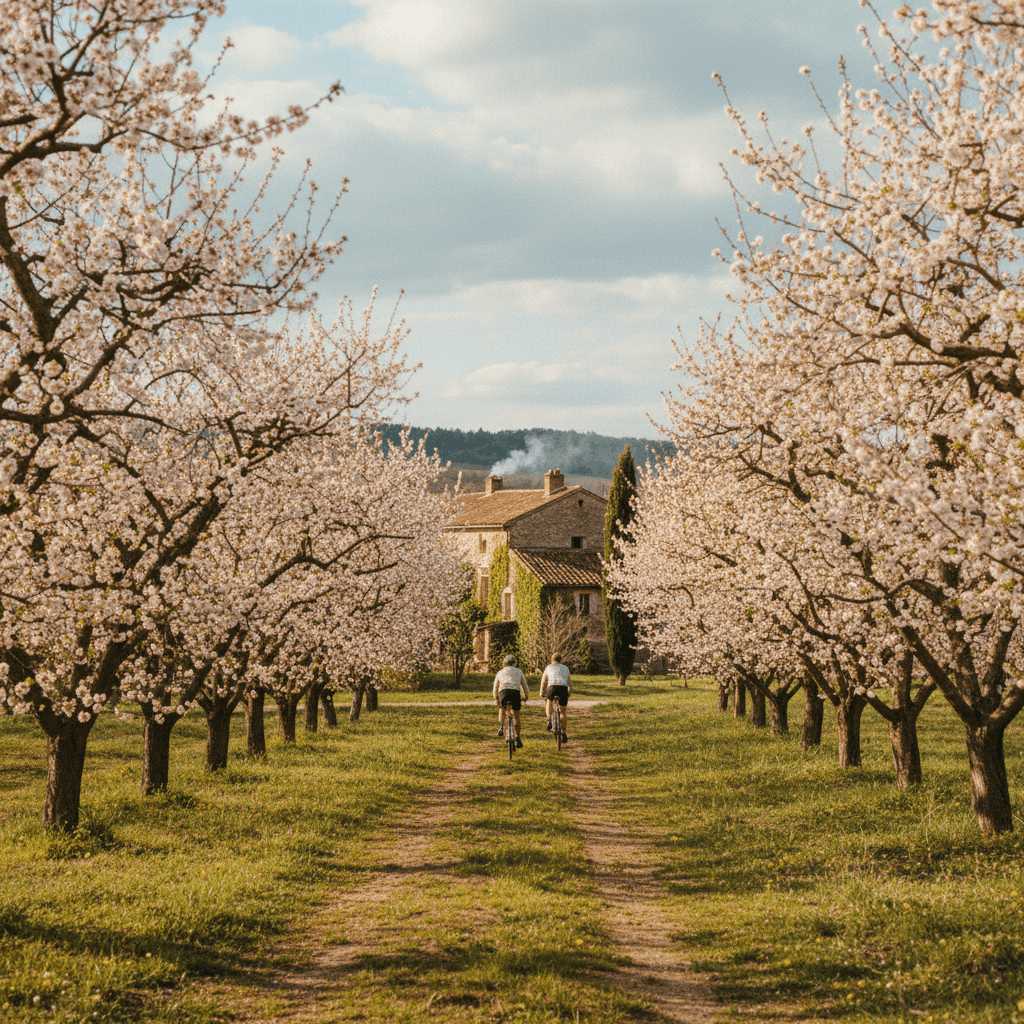
The season runs from spring to autumn. May and June bring mild weather, long days, and gardens in full bloom — including the Garden Festival at Chaumont — and are arguably the best riding conditions of the year. July and August are warmer and livelier, ideal for families thanks to open-air bathing and summer events, though the châteaux are busier. September and early October coincide with the grape harvest and bring golden light and quieter paths. Winter is the low season, when many châteaux reduce their hours, so the shoulder months of late spring and early autumn are the reliable favourites.
Getting There and Back
The Loire is very easy to reach. High-speed TGV trains link Paris to Tours and Angers in around an hour to ninety minutes, and regional trains connect Orléans, Blois, Amboise, Saumur, and Nantes along the valley. Because the routes are built around this rail network, getting to your start point and home from your finish is straightforward, and most tours are designed so you can travel car-free from start to end. Nantes and nearby airports also serve the western end of the valley.
How to Choose the Right Loire Route
Choose by how much time you have and what you want from the trip. For a long weekend, the four-day centre-based stays at Chitenay or Amboise deliver the highlights with no luggage transfers. For a classic week among the great castles, the six- to eight-day discovery tours or the Blois–Tours and Orléans–Tours stages are the sweet spot. Families are best served by the dedicated Blois-to-Amboise family tour. If you want a journey, ride one or more of the linear Loire à Vélo stages from Nevers all the way to the Atlantic. And for a special occasion, the deluxe and luxury château-hotel tours are hard to beat. Every tour is self-guided, with route notes, GPS tracks, and luggage transfers included, so you ride at your own pace.
Frequently Asked Questions
Is the Loire Valley suitable for beginners and families?
Yes — it is one of the best cycling destinations in Europe for beginners and families. The Loire à Vélo is flat, mostly traffic-free, and well signposted, and several tours are designed specifically with short, easy stages for children.
Are the tours guided or self-guided?
All the Loire tours in this guide are self-guided. You get detailed route notes and GPS tracks, ride at your own pace, and your luggage is transferred between hotels so you only carry a day bag.
How many châteaux will I actually see?
That depends on the route, but most tours pass several major châteaux and dozens of smaller ones. The discovery and Blois–Tours tours are built around the greatest castles, while the linear stages spread them along a longer journey.
What kind of bike should I choose?
Trekking bikes and e-bikes are both well suited to the flat terrain. E-bikes are popular on the longer linear stages and for riders who want to relax and focus on the scenery and the wine.
Can I do just part of the Loire à Vélo?
Yes. The route is divided into sections — Nevers to Orléans, Orléans to Tours, Blois to Saumur, Tours to Angers, and Angers to the Atlantic — so you can ride a single stage or combine several into a longer trip.
When is the best time to go?
Late spring and early autumn offer the most comfortable riding, blooming or harvest-season vineyards, and quieter paths. Summer is great for families but busier at the châteaux.
Start Planning Your Loire Ride
From a four-day castle escape to a full crossing of the valley from the vineyards to the Atlantic, there is a Loire Valley cycling route for every level and every interest. Browse all our cycling tours in France to compare itineraries, durations, and routes, and find the trip that fits your time and your taste.