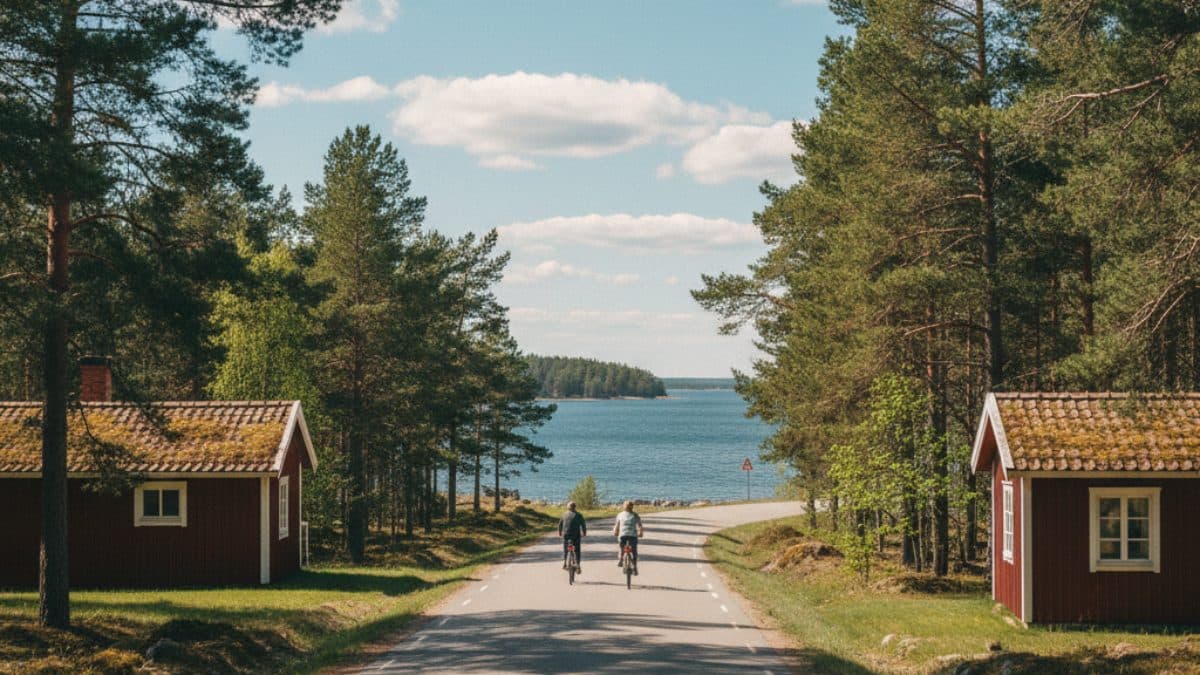

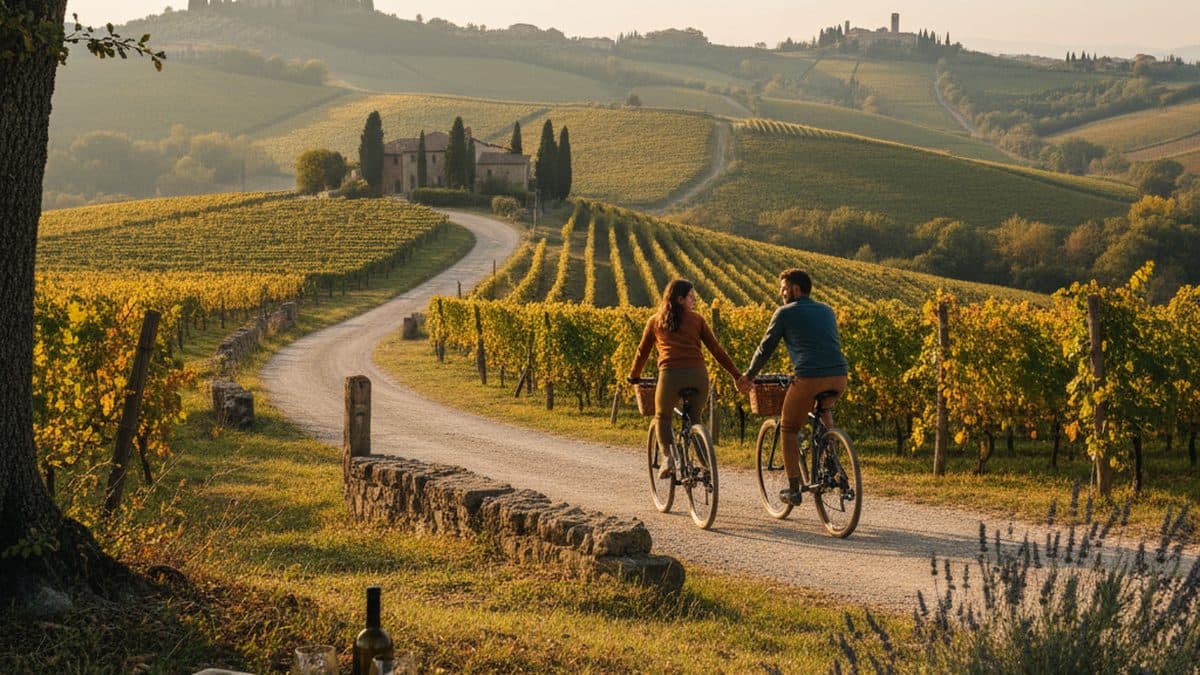
Italy and France are the two best countries in Europe for cycling holidays. Both offer world-class scenery, extraordinary food and wine, excellent cycling infrastructure, and a range of routes from easy to challenging. Choosing between them is not about finding a winner — it is about matching the right country to what you want from your trip.
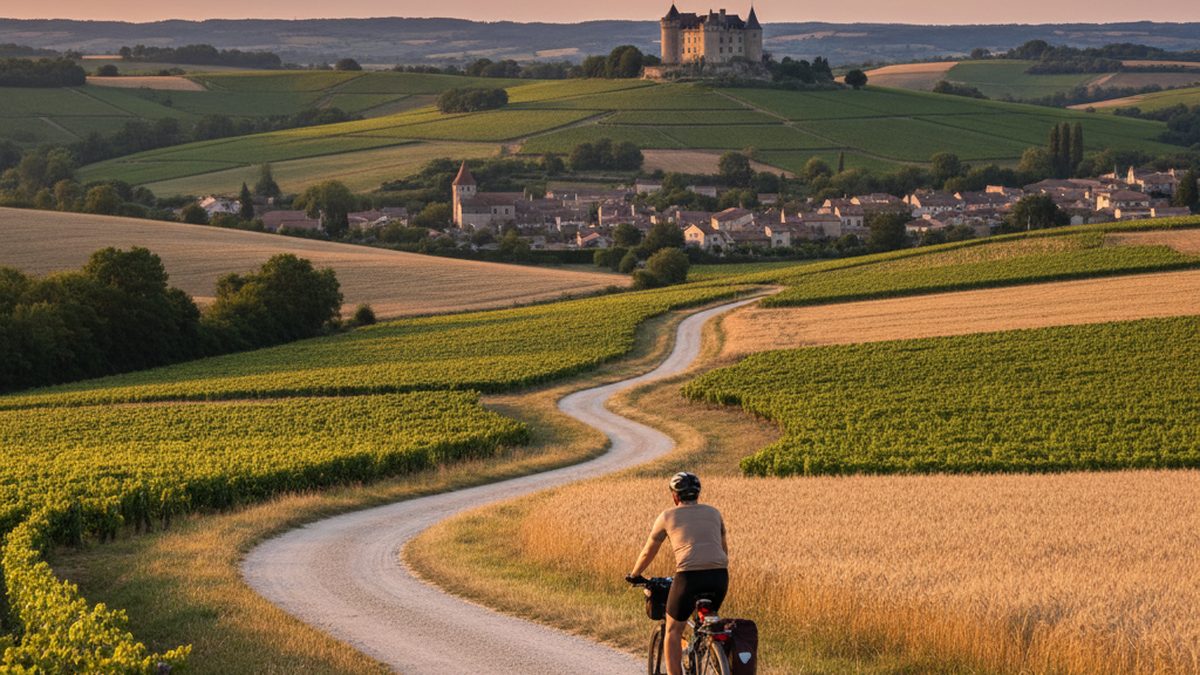
On the French side, few rides make the case better than this flat, château-lined ride from Orléans to Angers along the Loire à Vélo.
This guide compares Italy and France across the factors that matter most to cycling tourists: terrain, weather, food, infrastructure, cost, and the overall riding experience.
Terrain and Landscape
Italy offers the widest range of cycling terrain in Europe. In a single week, you can ride through Alpine valleys in South Tyrol, along the flat Adriatic coast in Abruzzo, through the rolling hills of Umbria, or across the sun-baked flatlands of Puglia. The variety is exceptional — no two Italian cycling regions feel the same. Routes like the Dolomiti to Trieste cross three countries and multiple climate zones in a single tour.
France excels in dedicated cycling infrastructure. The national Véloroutes and Voies Vertes programme has created thousands of kilometres of car-free paths, many following rivers and canals through gentle landscapes. The Loire Valley and the Vélodysée Atlantic coast are among the best-surfaced, best-signposted cycle routes in the world. France also has dramatic terrain — Corsica's mountains rival the Alps — but the standout feature is the quality of the flat, purpose-built paths.
Verdict: Italy for variety and drama. France for infrastructure and car-free riding.
Weather and Season Length
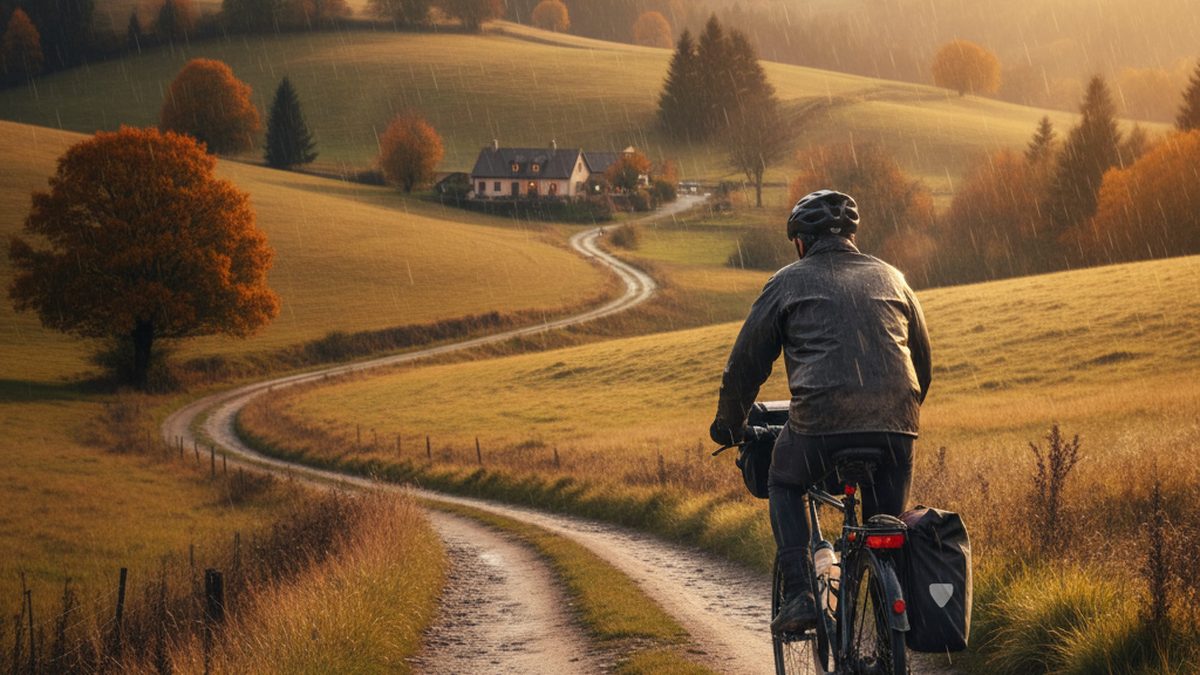
Italy has a longer cycling season, especially in the south. Puglia and the Trabocchi Coast are comfortable from March through November — a nine-month window. Northern Italy (South Tyrol, Dolomites) is more limited: May to September. The country's north-south range means you can find good cycling conditions somewhere in Italy for most of the year.
France has a slightly shorter season overall. Brittany and Normandy are best from May to September, the Loire Valley from April to October, and Provence from March to November. Corsica matches southern Italy for season length. France's maritime north can be cooler and wetter than equivalent Italian latitudes.
Verdict: Italy, thanks to the south. If you want to ride in March or November, Puglia is reliably warm when Brittany is still in rain jackets.
Food and Wine
This is where the comparison gets personal. Both countries are among the world's greatest food cultures, but the cycling experience of eating differs.
Italy delivers food that is deeply local. Every valley has its own pasta shape, every town its own cheese. In Puglia, you eat orecchiette with turnip greens and burrata; in Umbria, truffles and Sagrantino wine; on the coast, fresh fish pulled from the sea that morning. Italian food is casual, abundant, and unfailingly generous. A roadside trattoria in Italy can be as good as a starred restaurant elsewhere.
France offers a more structured culinary experience. Wine regions are clearly defined, and the connection between terroir and table is explicit. The Bordeaux wine region is a cycling destination built entirely around wine and food. The Loire Valley combines château visits with wine tastings. French cuisine tends toward more formal dining, with multi-course meals that reward patience and appetite.
Verdict: A draw — genuinely. Italy for casual, ingredient-driven eating. France for structured wine and dining experiences. You cannot go wrong with either.
Cycling Infrastructure
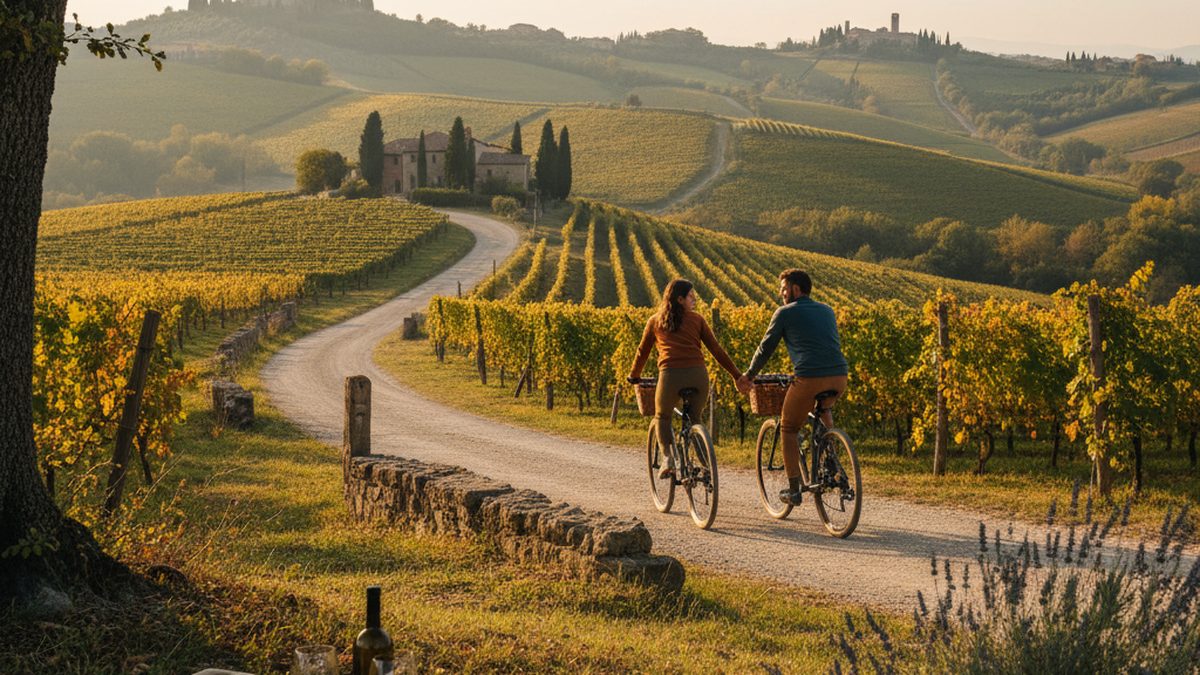
France leads here. The Véloroutes and Voies Vertes network is purpose-built for cycle touring: smooth surfaces, clear signage, separated from traffic, and maintained to a high standard. Routes like the Loire à Vélo are cycling highways where you can ride for days without sharing road space with cars.
Italy has improved dramatically in recent years, with over 20,000 km of dedicated cycle paths including converted railway lines like the Trabocchi Coast Via Verde and the Adige Valley path. However, many Italian cycling routes still use shared roads with traffic, especially in the south and on coastal routes. The riding is safe — drivers in cycling regions are accustomed to bikes — but it is not the same as a dedicated, car-free path.
Verdict: France, clearly. If riding on dedicated, traffic-free paths is important to you, France has the edge.
Cost
Italy is generally cheaper for cycling holidays, especially in the south. The Valle Umbra loop starts from €565 for 7 days — exceptional value for a week of cycling, accommodation, and luggage transfer in a region with world-class food and wine. Puglia and Abruzzo are similarly affordable.
France tends to be more expensive, particularly in popular regions like Provence, the Loire Valley, and Bordeaux. Accommodation and dining costs are higher than equivalent Italian regions. The Atlantic coast and Brittany offer better value than the south.
Verdict: Italy, especially southern Italy. The price difference for comparable tour quality can be 20–30%.
Cultural Experience
Italy offers a more immersive, spontaneous cultural experience. Italian life happens outdoors — in piazzas, at market stalls, over long lunches. Cycling through Italy means being absorbed into the daily rhythm of a culture that treats food, conversation, and leisure as serious pursuits. The pace of a bicycle matches the pace of Italian life.
France offers a more curated cultural experience. Châteaux, wine domaines, and museum-quality architecture are the highlights, and they are best experienced with some planning. The Véloscénie from Paris to Mont Saint-Michel is a cultural journey through French history, from the capital to the medieval abbey.
Verdict: Italy for immersion and spontaneity. France for planned cultural highlights.
Our Recommendation
If this is your first cycling holiday: start with Italy. The combination of affordable pricing, long season, varied terrain, and incredible food makes it the most forgiving and rewarding introduction to cycle touring.
If you have cycled in Italy and want something different: France. The dedicated cycling paths, the structured wine experiences, and the distinct landscapes of Brittany, Corsica, and the Loire offer a genuinely different riding experience.
And if you cannot decide: the Nice to Genoa route crosses from France into Italy, giving you both countries in a single tour.
Browse our Italy cycling tours and France cycling tours to compare routes side by side.
Frequently Asked Questions
Which country is easier for cycling?
Both offer easy routes. Italy's Trabocchi Coast and Adige Valley are among Europe's easiest cycling tours. France's Loire Valley and Vélodysée Atlantic coast are equally beginner-friendly. The key difference is that France has more dedicated, car-free paths on easy routes.
Which is cheaper?
Italy is generally 20–30% cheaper than France for comparable cycling tour packages. Southern Italian regions (Puglia, Umbria, Abruzzo) offer the best value in Europe for self-guided cycling tours.
Which has better food?
Both are world-class. Italy offers casual, ingredient-driven cuisine that varies from town to town. France offers more structured dining with strong wine-pairing traditions. Your preference depends on whether you prefer spontaneity or curation in your eating experiences.
Can I combine both countries in one trip?
Yes. The Nice to Genoa route crosses the Franco-Italian border along the Riviera. The Basel to Strasbourg route crosses the Franco-German border. Multi-country routes add variety and a sense of journey to the cycling experience.
Which country has longer cycling seasons?
Italy, thanks to its southern regions. Puglia is rideable from March to November. France's southern regions (Provence, Corsica) have comparable seasons, but northern France (Brittany, Normandy) has a shorter window: May to September.