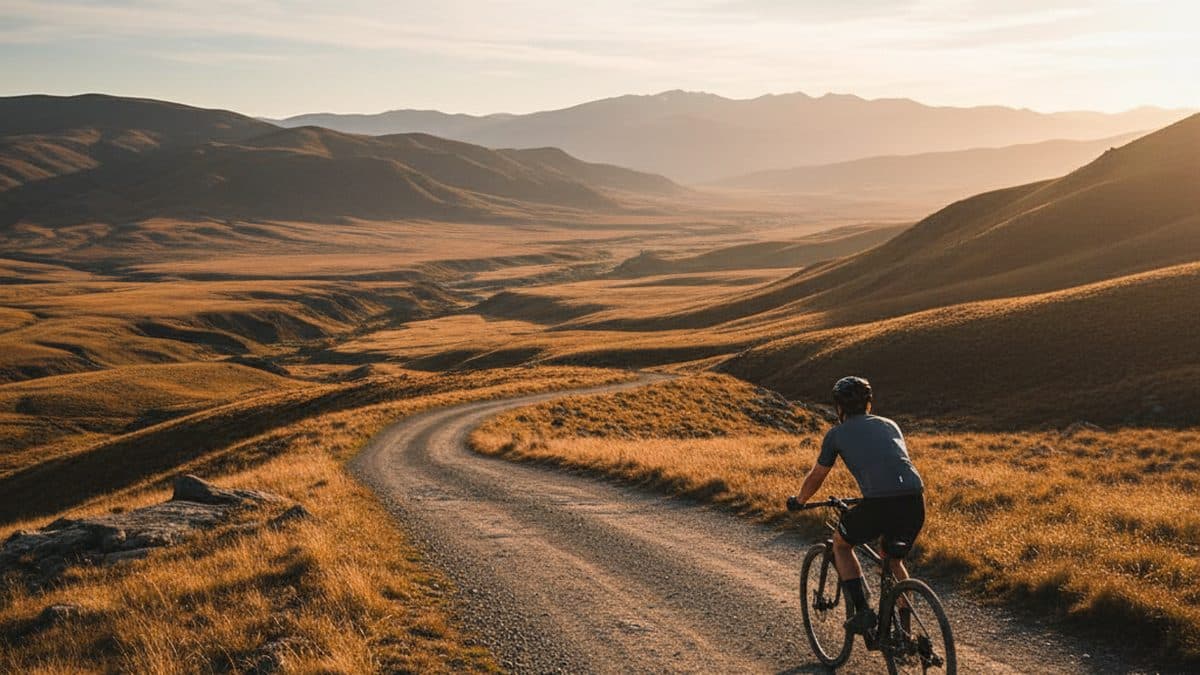
The short answer: June and September are the best months to cycle in Italy. But depending on where you ride and what you prefer — quiet roads or warm seas, budget prices or peak-season energy — every month from March through November has something to offer.
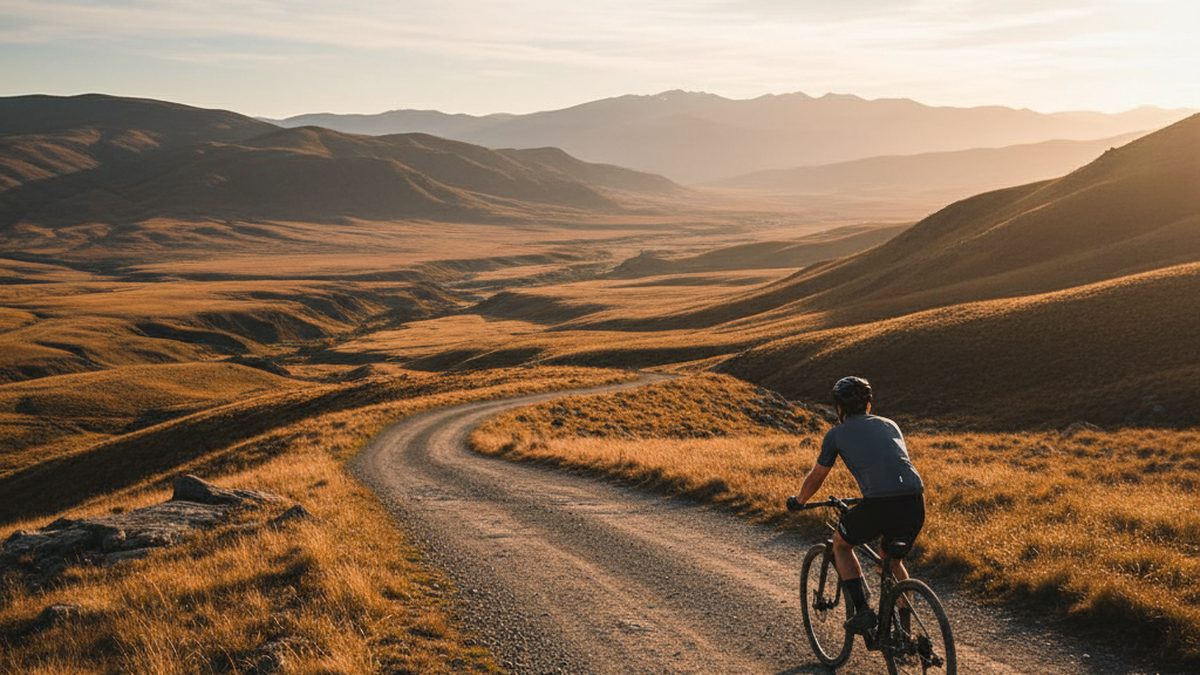
Italy stretches over 10 degrees of latitude, from the Alpine passes of South Tyrol to the sun-baked flatlands of Sicily. That range means the cycling season varies dramatically by region. A route that is perfect in April in Puglia would still be snow-covered in the Dolomites. This guide breaks down what to expect month by month, so you can match your trip to the conditions that suit you best.
March — Early Season in the South
March marks the start of the cycling season in southern Italy. Puglia, Sicily, and Sardinia see daytime temperatures between 14°C and 18°C, with manageable rainfall and long daylight hours returning after winter. The countryside is green, wildflowers are beginning to bloom, and tourist crowds are virtually nonexistent.
Northern and central Italy remain too cold and wet for comfortable touring in March. Snow lingers on Alpine passes and rain is frequent across the Po Valley and Tuscany.
Best regions: Puglia, Sicily, Sardinia
Typical temperatures: 14–18°C (south)
Crowd level: Very low
Pricing: Low season rates
April — The Sweet Spot for Southern and Central Italy
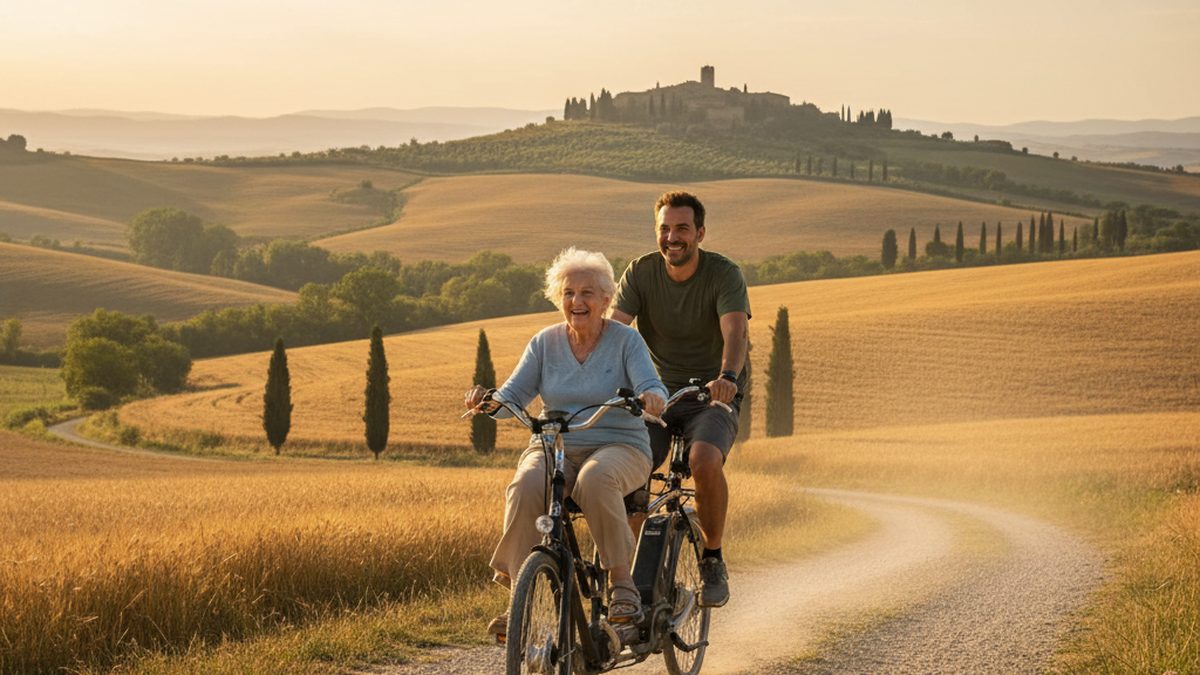
April is one of the best months for cycling in central and southern Italy. Temperatures in Puglia and along the Adriatic coast reach 18–22°C, and the Umbrian and Tuscan hills are at their most photogenic — rolling green fields, blooming poppies, and clear skies. The Puglia route from Matera to Lecce is particularly rewarding in April, with comfortable riding temperatures and uncrowded roads.
The Trabocchi Coast also opens for the season, with mild Adriatic breezes and the car-free Via Verde cycle path in excellent condition.
Best regions: Puglia, Umbria, Abruzzo, Tuscany
Typical temperatures: 18–22°C (central/south)
Crowd level: Low to moderate
Pricing: Shoulder season — good value
May — The Whole Country Opens Up
May is when Italy truly becomes a cycling paradise from north to south. Alpine valleys begin to warm up, making routes like the Adige Valley family tour viable for the first time in the year. The Dolomites are accessible on lower-altitude routes, and the Ligurian coast is warm enough for post-ride swims.
Central Italy enjoys ideal conditions: 22–26°C, minimal rain, and landscapes at peak beauty before the summer heat sets in. The Valle Umbra loop through Assisi, Spoleto, and Montefalco is spectacular in May, with Sagrantino vineyards in full leaf.
Best regions: All regions
Typical temperatures: 20–26°C
Crowd level: Moderate
Pricing: Mid-season rates begin
June — Peak Conditions, Pre-Peak Crowds
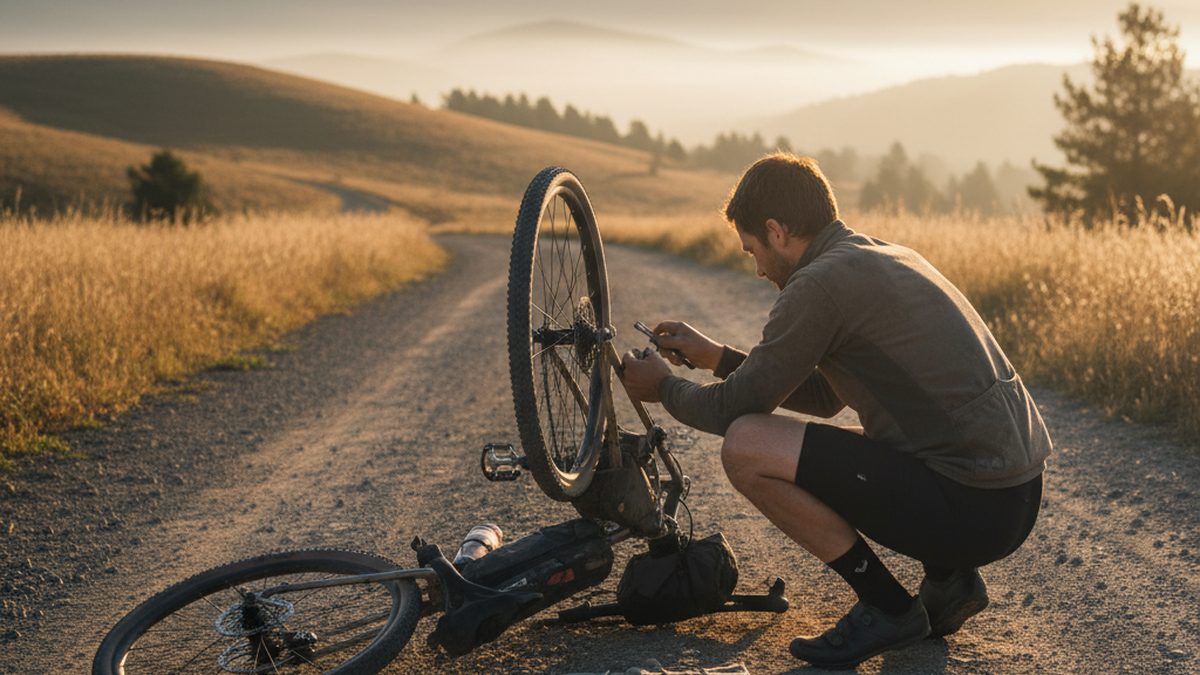
June is widely considered the single best month for cycling in Italy. Temperatures are warm but not yet oppressive (24–30°C in most regions), daylight extends past 9 PM, and the summer tourist rush has not fully arrived. Hotel availability is good and prices remain below July–August levels.
This is the ideal month for the Nice to Genoa coastal route, where the Mediterranean is warm enough for swimming but the Ligurian hills are not yet scorching. Alpine routes like Dolomiti to Trieste are fully open, with wildflower meadows at their peak.
Best regions: All regions — especially Alps and coast
Typical temperatures: 24–30°C
Crowd level: Moderate to high
Pricing: High season begins mid-June
July and August — High Summer
July and August bring the highest temperatures and the largest crowds. Southern Italy can exceed 35°C, making long rides uncomfortable and potentially dangerous. Puglia, Sicily, and the Adriatic coast are best avoided for cycling during these months unless you start very early in the morning.
The exception is the Italian Alps. South Tyrol, the Dolomites, and the Adige Valley remain pleasant at altitude, with temperatures between 25°C and 30°C. The Adige family route is popular in summer for exactly this reason — the valley path stays cool, and Lake Garda at the finish provides the perfect cool-down.
Accommodation prices peak in August, when most Italians take their summer holidays. Booking well in advance is essential.
Best regions: Alps, Dolomites, Lake Garda
Typical temperatures: 25–36°C (varies by altitude)
Crowd level: Very high
Pricing: Peak season — highest rates
September — The Second Sweet Spot
September rivals June as the best cycling month in Italy. Summer heat fades to comfortable 22–28°C across most of the country, the sea remains warm for swimming, and tourist numbers drop sharply after the first week. Prices fall back to shoulder-season levels.
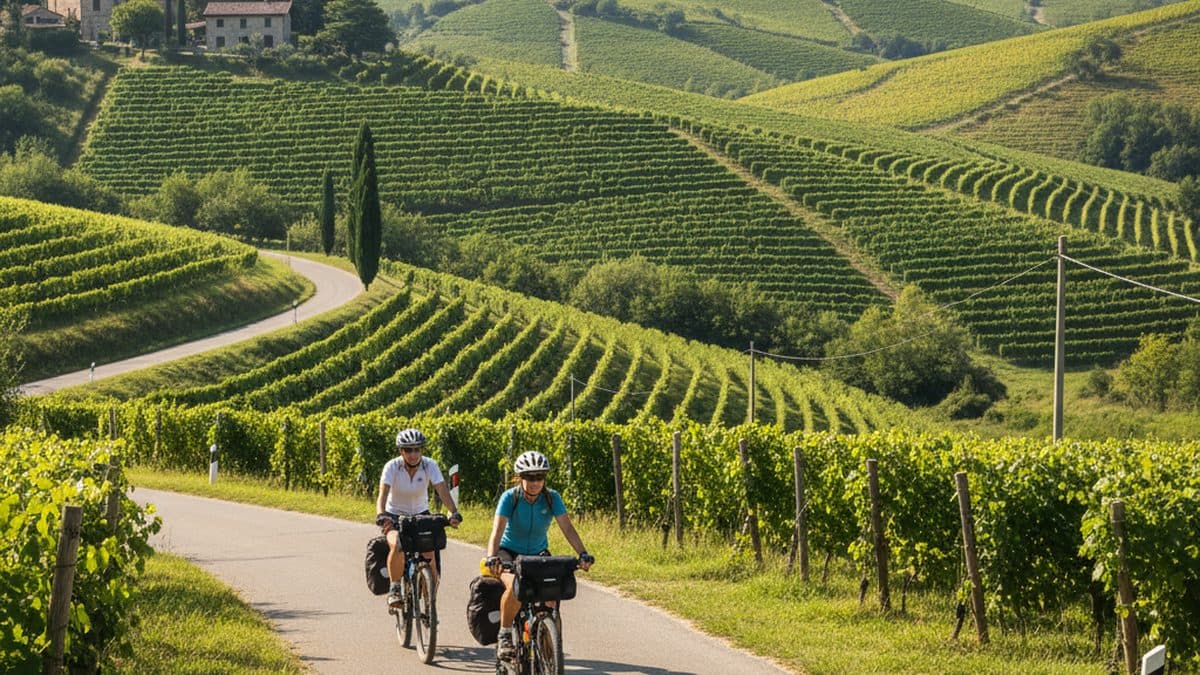
This is harvest season across Italy's wine regions, making routes through Umbria, Tuscany, and Puglia especially rewarding. The Umbria loop passes through Montefalco during the Sagrantino grape harvest — an experience that combines great cycling with extraordinary food and wine.
Cross-border routes are excellent in September. The Istria route from Trieste to Pola benefits from warm Adriatic water, truffle season in the Istrian interior, and reduced border-crossing wait times.
Best regions: All regions — especially wine country
Typical temperatures: 22–28°C
Crowd level: Moderate, dropping fast
Pricing: Shoulder season — excellent value
October — Autumn Riding in the Centre and South
October marks the transition to late season. Central and southern Italy remain comfortable for cycling, with temperatures between 16°C and 22°C and autumn colours adding warmth to the landscape. The Trabocchi Coast and Puglia are still pleasant, though shorter days mean less riding time.
Alpine routes close for the season as temperatures drop and the first snowfalls arrive above 1,500m. The Adige Valley and Dolomite routes are no longer recommended after mid-October.
Best regions: Puglia, Abruzzo, Umbria, Liguria
Typical temperatures: 16–22°C (central/south)
Crowd level: Low
Pricing: Low season returns
November — Last Call
November is the final month for cycling in most of Italy. Only the far south — Puglia, Sicily, and Sardinia — offers reliably dry weather, with temperatures around 14–18°C. Rain increases significantly across central and northern Italy, and many tour operators close for the season.
If you are flexible and willing to accept shorter days and occasional rain, November in Puglia can be a memorable experience: empty roads, mild temperatures, and the year's new olive oil pressing season.
Best regions: Puglia, Sicily
Typical temperatures: 14–18°C (far south)
Crowd level: Very low
Pricing: Lowest rates of the year
Quick Reference: Best Months by Route
To help you match your travel dates to the right tour, here is a summary of the optimal cycling window for each of our most popular Italian routes:
Trabocchi Coast (Abruzzo) — April to October. Best in May, June, September.
Puglia: Matera to Lecce — March to November. Best in April, May, September, October.
Valle Umbra (Umbria) — April to October. Best in May, June, September.
Nice to Genoa (Riviera) — May to October. Best in June, September.
Adige Valley (Alps to Lake Garda) — May to September. Best in June, July, August.
Dolomiti to Trieste — May to September. Best in June, September.
Istria: Trieste to Pola — April to October. Best in May, June, September.
How Weather Affects Pricing
Tour pricing in Italy follows a predictable seasonal pattern. Most operators use three tiers: low season (March, November), shoulder season (April, May, October), and high season (June through September). The difference between low and high season for the same tour can be 15–25%, primarily driven by accommodation costs.
The best value window is the overlap between good weather and shoulder pricing: late April to mid-June, and mid-September to mid-October. During these periods you get near-perfect cycling conditions at prices significantly below peak rates.
Browse all available dates and pricing on our Italy cycling tours page.
Frequently Asked Questions
What is the best month to cycle in Italy?
June and September offer the best combination of warm temperatures, long days, and manageable tourist numbers across most of Italy. June is slightly better for Alpine routes; September is ideal for wine regions and the south.
Can I cycle in Italy in winter?
Cycling tourism in Italy is seasonal. Most tour operators run from March through November. Sicily and Sardinia may be rideable in December and February, but accommodation and support services are limited.
Is it too hot to cycle in Italy in August?
In southern and central Italy, August temperatures regularly exceed 35°C, making extended cycling uncomfortable. Alpine routes in South Tyrol and the Dolomites remain pleasant at altitude. If you must travel in August, choose a northern route.
When is the cheapest time to book a cycling tour in Italy?
March and November offer the lowest prices, but the best value is in April, May, and October — shoulder-season months with good weather and reduced rates compared to peak summer pricing.
How far in advance should I book?
For June, July, and August, book at least 3–4 months ahead to secure your preferred accommodation. Shoulder-season tours (April, May, September, October) can often be booked 4–6 weeks in advance without issues.