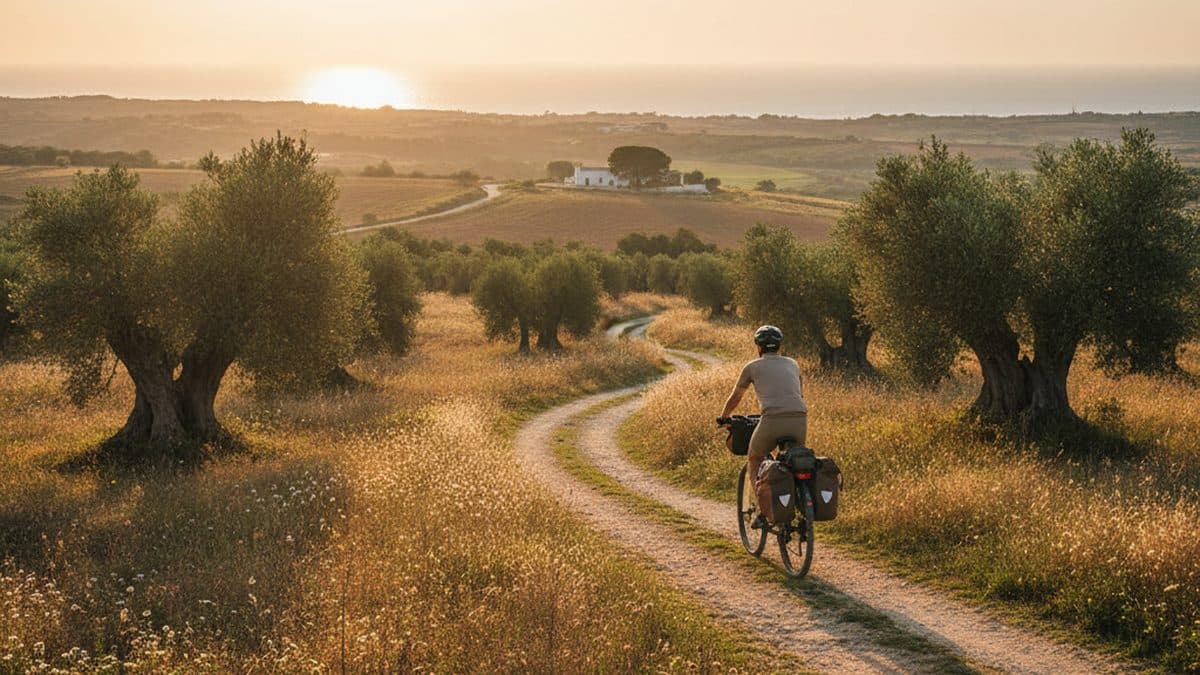
Packing for a self-guided cycling tour is different from packing for a regular holiday. You need gear for the bike, clothes that work both on and off the saddle, and the discipline to keep everything light enough for daily luggage transfers. The good news is that your tour operator provides most of the heavy equipment — the bike, repair kit, panniers or handlebar bag, and GPS navigation. Your job is to pack smart for everything else.
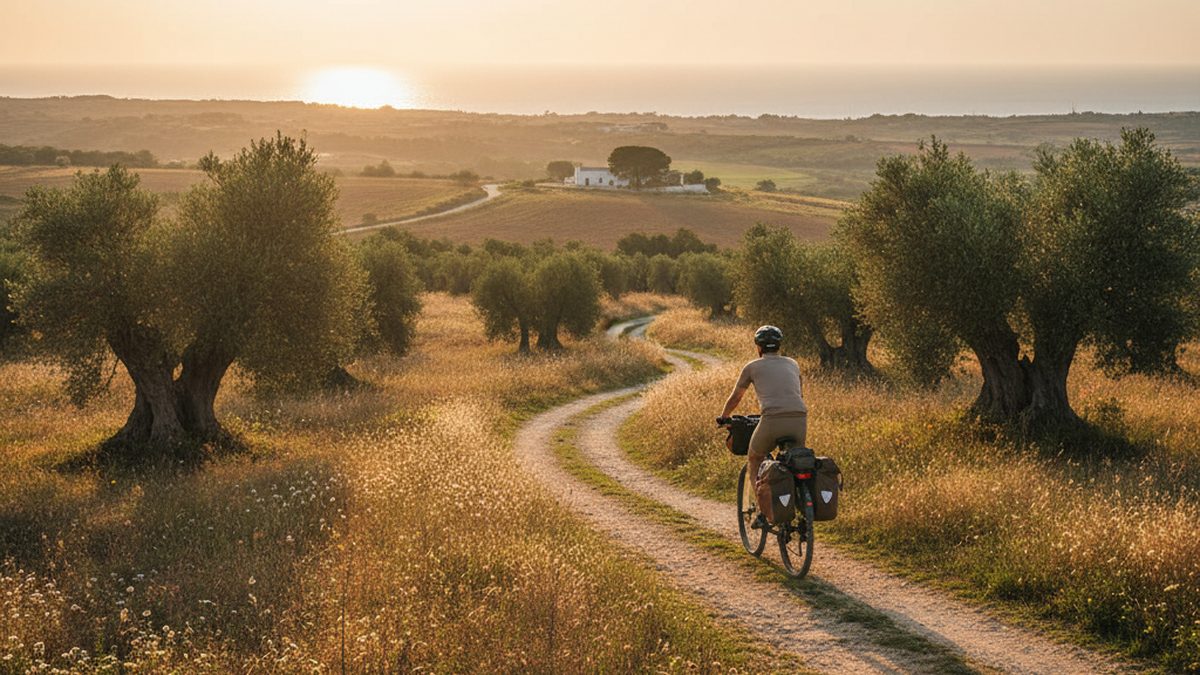
This checklist is based on what experienced cyclists actually bring on week-long tours in Italy, with notes on what you can leave at home.
What Your Tour Operator Provides
Before you start packing, check what is already included in your tour package. Most self-guided cycling tours in Italy provide a touring bike or e-bike (fitted to your measurements), a helmet, a handlebar bag or small pannier for daily essentials, a basic repair kit with spare tube, pump, and tyre levers, a phone holder or GPS device with the route pre-loaded, and a lock. Some operators also provide a water bottle, a high-visibility vest, and rain covers for your bags.
If you are bringing your own bike, the operator will typically arrange a bike box transfer from your arrival point to the first hotel and back at the end of the tour. Check this when booking. For details on what is typically included, see our How It Works page.
Cycling Clothing
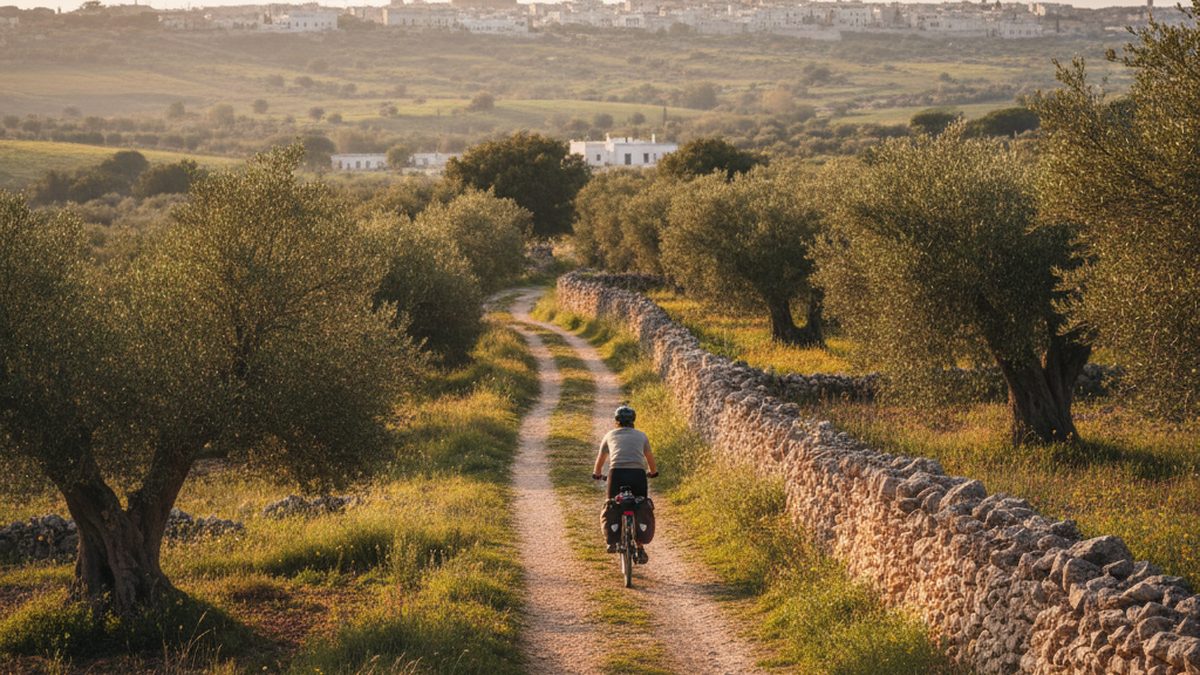
You do not need a full professional cycling wardrobe. Most touring cyclists in Italy ride in comfortable, breathable clothing rather than Lycra — though padded cycling shorts are strongly recommended for multi-day rides.
Essentials: Two pairs of padded cycling shorts (or one pair of padded liner shorts worn under regular shorts), two or three moisture-wicking cycling jerseys or technical t-shirts, one lightweight windproof jacket, one pair of cycling gloves (half-finger), and cycling-specific sunglasses with UV protection.
For variable weather: One arm warmers or lightweight long-sleeve jersey, one packable rain jacket (waterproof and breathable), and one pair of lightweight leg warmers or knee warmers for early-season or mountain routes.
Footwear: If you are using the operator's bike, any comfortable trainers or sport shoes with a stiff sole will work — the pedals are flat. If you ride with clipless pedals and cleats, bring your own shoes and confirm pedal compatibility with the operator before departure.
Off-Bike Clothing
Italian restaurants and hotels are generally informal, but you will want something clean and comfortable for evenings. Pack light: one pair of lightweight trousers or a skirt, two casual t-shirts or tops, one light sweater or fleece for cooler evenings, underwear and socks for the trip (quick-dry fabric saves space), one pair of comfortable walking shoes or sandals, and swimwear if your route passes through coastal areas or includes hotels with pools.
Laundry is easy to arrange in Italy. Most hotels can wash and dry clothes overnight, and many towns have self-service laundromats. For a week-long tour, three to four days' worth of clothing is plenty.
Luggage and Bags
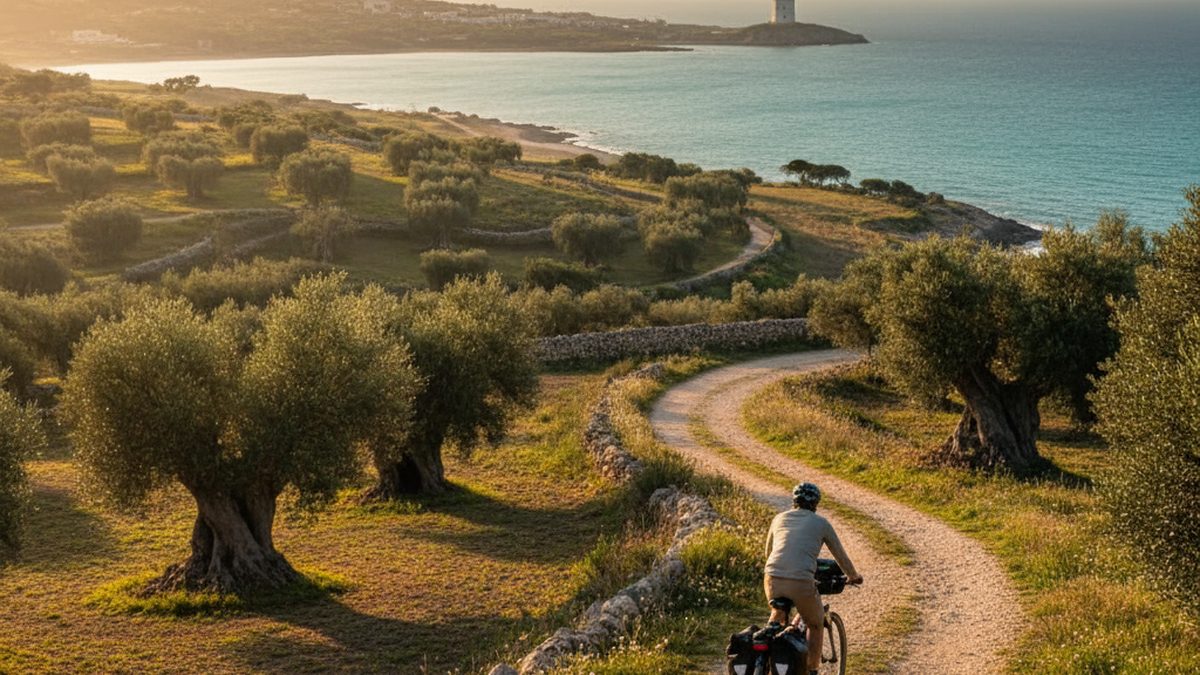
Your main luggage is transferred between hotels each day by the tour operator. The typical weight limit is 15–20 kg per person, packed in a single soft bag or small suitcase. Avoid hard-shell suitcases if possible — soft duffel bags or backpacks are easier to load into transfer vehicles.
While riding, you will carry a small daypack or handlebar bag with essentials: phone, wallet, sunscreen, snacks, water, a rain jacket, and any medication you need during the day. Keep this as light as possible — ideally under 3 kg.
Sun Protection and Skincare
Italian sun is strong, especially from June through September. Sunburn is the most common health issue on cycling tours, and it is entirely preventable.
Bring: Sunscreen SPF 50 (sport formula, sweat-resistant), lip balm with SPF, chamois cream or anti-chafing balm (essential for multi-day riding), after-sun moisturiser, and a lightweight buff or neck gaiter for sun protection.
Electronics and Navigation
Your operator provides GPS route files, but you will want your own devices for communication and photos.
Bring: Smartphone with offline maps downloaded (Google Maps or Komoot), a portable battery pack (10,000 mAh minimum — GPS navigation drains batteries fast), charging cables and a European plug adapter (Type C/F), and a small camera if your phone camera is not sufficient.
Download the route files and offline maps before you leave home. Mobile data coverage in rural Italy is generally good, but mountain valleys and remote stretches can have weak signal.
Health and Safety
Bring: A small first-aid kit with plasters, antiseptic wipes, and painkillers, any prescription medication you take regularly (with a copy of the prescription), your European Health Insurance Card (EHIC) or travel insurance documentation, and a basic bike multi-tool if you are experienced with minor adjustments.
Italy has excellent pharmacies (farmacie) in every town, so you do not need to bring a full medical kit. If you forget sunscreen or need blister plasters, you can buy them along the route.
Documents
Bring: Passport or national ID card, tour booking confirmation and hotel vouchers (printed and digital), travel insurance policy number and emergency contact details, a credit or debit card (contactless payment is widely accepted in Italy), and a small amount of cash for rural areas, markets, and tips.
What to Leave at Home
One of the most common packing mistakes is bringing too much. Your luggage is transferred daily, but excess weight slows down transfers and takes up space in the vehicle. Leave behind anything you would not wear or use at least twice during the trip.
Skip: Heavy cotton clothing (slow to dry, bulky), more than two pairs of shoes, a full-size laptop (use your phone or a tablet), thick towels (hotels provide them), excessive cycling tools (the operator has spares), and books (use an e-reader if you read).
Packing for Specific Routes
Some routes require slight adjustments to the standard packing list.
Alpine routes like the Grand Tour of the Dolomites by road bike or Dolomiti to Trieste: Add warmer layers. Mountain mornings can be cool even in summer, and descents at speed can feel cold. A fleece, arm warmers, and a windproof jacket are essential.
Coastal routes like the Trabocchi Coast or Nice to Genoa: Bring swimwear and a quick-dry towel. You will want to swim. Sun protection is especially important on exposed coastal paths.
Southern routes like Puglia: Prioritise sun protection and hydration. Carry an extra water bottle and wear a cap under your helmet. Evenings are warm enough that you can skip the fleece.
Frequently Asked Questions
How much luggage can I bring on a cycling tour?
Most operators allow 15–20 kg per person in a single soft bag for daily luggage transfer. You carry a small daypack while riding with phone, water, snacks, and rain jacket. Check your operator's specific weight limit when booking.
Do I need to bring my own bike?
No. All self-guided tour packages include a quality touring bike or e-bike, fitted to your size. Bringing your own bike is an option for experienced cyclists who prefer their own setup, but it adds logistical complexity.
Should I bring cycling shoes with cleats?
Only if you have strong preferences about pedal systems. Operator-provided bikes use flat pedals that work with any shoe. If you bring clipless pedals and shoes, confirm compatibility with the operator before departure.
What if I forget something?
Italy has well-stocked shops in most towns. Sunscreen, basic clothing, toiletries, and even cycling accessories can be purchased along the route. Pharmacies are excellent for health and skincare products.
Do I need a European plug adapter?
Yes. Italy uses Type C and Type L plugs. A universal European adapter (Type C/F) works in most Italian hotels. Bring at least one adapter and a multi-port USB charger to keep all your devices charged.