



It is no longer new news that cycling, like any physical activity, involves health benefits for our body. What was once a simple hobby has become one of the most complete sports disciplines of our time.
The benefits of cycling are many and concern both the physical and mental aspects. Strengthening the cardiac muscles, reducing fat deposits, toning the leg muscles and many other advantages that will be able to give us the bicycle.
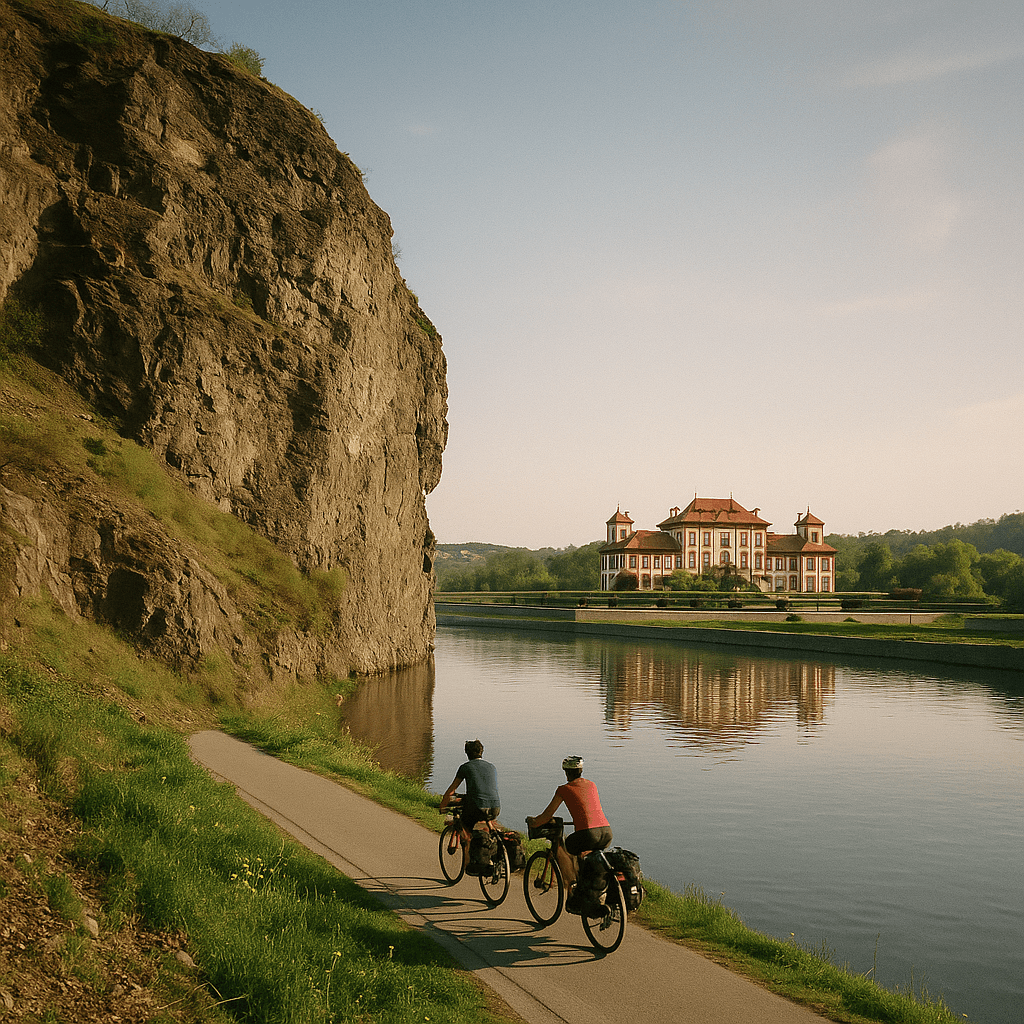
In addition to the sports benefits, cycling also offers us the possibility of enjoying the surrounding landscape and nature, with a totally ecological means. For all these reasons, and given the seasonal cold, why not try winter sports on two wheels?
In this article, we will analyze the benefits of cycling in winter and how this sport can offer us a complete and effective workout even when the temperatures are low.

Cycling in winter: benefits and features
Let's start by saying that pedaling in winter has numerous benefits that cannot be found in any other season. In fact, even if the temperatures are lower and the days are shorter, we can benefit from an even more intense training.
The colder the temperatures, the more the body has to make efforts to maintain the right body temperature, thus increasing the caloric expenditure and intensifying the aerobic work. This is why cycling in winter is more effective than in other seasons.
Another benefit is the strengthening of the immune system that comes from training at low temperatures. By slowly and gradually increasing the frequency and intensity of your workouts, we will be able to increase the antibodies that are responsible for defending our body against various infections and diseases.
Not to mention the psychological benefits of winter cycling: having to overcome the mental barrier of cold and bad weather makes us more mentally strong and more motivated to face daily challenges.
How to train in winter
To train properly in winter, you need good preparation and the right gear. First of all, it is essential to have a good winter outfit suitable for the cold season.
The bicycle must also be well maintained and cleaned more frequently due to the salt and moisture that characterize the winter season. It is important to pay particular attention to the chain which, if dirty and poorly lubricated, will rust more easily.
Training should start with a longer warm-up phase, at least 15-20 minutes, in order to properly warm up the muscles and joints before subjecting them to more intense efforts.
Once warmed up, we can proceed with the training. During the winter period, high intensity training alternated with low intensity periods is recommended, which allows our body to recover while maintaining an effective training intensity.
Another important thing is hydration: even if the temperatures are low, we must not forget to drink, as the body also loses liquids in winter, even if we do not feel thirsty.
Winter sport: shorter distances and gradual increase
If you are a beginner in winter cycling, it is important to start with shorter distances to allow your body to adapt to the cold. Then, you can gradually increase the distance and intensity of your training.
A good tip is to start by riding for about 30 minutes, then gradually increase the duration and intensity. Remember, the most important thing is to be consistent and not to give up even when the conditions are not optimal.
The benefits will become visible after a few weeks of training: more resistance to the cold, greater muscle tone, a stronger immune system and undoubtedly a greater sense of well-being and positivity.




 240km
240km
 8 days / 7 nights