
Lifeonabike
13 December 2023
3 Minute read
Raise your hand if you don't remember the day you learned to ride a bike!
It seems to be a simple act, but in reality, it is not: many people who do not have particularly natural balance skills need to be instructed step by step. If you are looking for tips for teaching children how to ride a bike, you are in the right place: keep reading to find out all the steps to make your child master the bike safely!
The first step to teaching a child to ride a bike is to choose the right bike size. A bike that is too large becomes uncomfortable, especially for young children, making it difficult for them to reach the handlebars and pedals. On the other hand, a bike that is too small creates problems with body posture and cannot support the child's growth. A correctly sized bike makes the child feel safe and stable, so the choice is not trivial.
The best way to choose a correctly sized bike is to make the child sit on the saddle and check that the leg is stretched out almost completely (but not fully) when the pedal is at the lowest point. This way, the child will have the right leverage to pedal without straining their legs.
For the height, the child should be able to touch the ground with their toes when sitting on the saddle: this helps them to support themselves if they lose their balance.
A common technique to teach children to ride a bike is to start with a balance bike. For children who already have a traditional bike with pedals, a useful trick is to remove the pedals and lower the saddle. In this way, the child can push themselves off the ground with their feet, improving their balance without having to worry about pedaling. This is the principle behind balance bikes: improving balance is the first step, pedaling comes later.
Once the child feels confident with their balance, you can gradually raise the saddle, always ensuring that the child can still touch the ground with their toes. After this phase, the pedals can be reattached.
An alternative to removing the pedals is to use training wheels (also called stabilizer wheels). However, this option is more debated than the balance bike method. The main reason for this debate is that training wheels can sometimes give a false sense of balance and lateral movement: the child may think they are pedaling on a normal bike, but in reality the training wheels are preventing them from tilting and learning how to recover from instability.
Most experts recommend the balance bike method (removing pedals) over the training wheels method, especially for teaching children with poor balance skills.
Once the child is ready to start pedaling, it is important to ensure that they have the correct body position on the bike.
The main points to remember are:
Before going on a trail, make sure your child practices in a safe, flat area like a parking lot or park. In this way, the child can focus on balance and pedaling without worrying about obstacles, traffic, or slopes. This is also a good opportunity for you to supervise your child's technique and correct any mistakes.
As your child becomes more confident, you can gradually introduce new challenges: light slopes, curves, and obstacles. The key is to go at the child's pace and not force them to do things they are not ready for. Every child is different, and some may take longer than others to master the bike.
Finally, children learn a lot by imitation. If you ride a bike regularly and enjoy it, your child is more likely to want to learn and enjoy cycling too. So take your children on bike rides, show them how fun it can be, and let them see that you use a bike as a means of transport or recreation.
Teaching children to ride a bike is an important milestone in their development. It takes patience, practice, and the right approach, but with these seven steps, you will give your child the tools to master this essential skill safely and confidently. So get ready to see your child pedaling away happily!
Share on:


Subscribe and receive unique travel offers!
Become part of our community, stay updated on our activities.
Share on:
Itineraries that might interest you
Starting from
€1399
per person
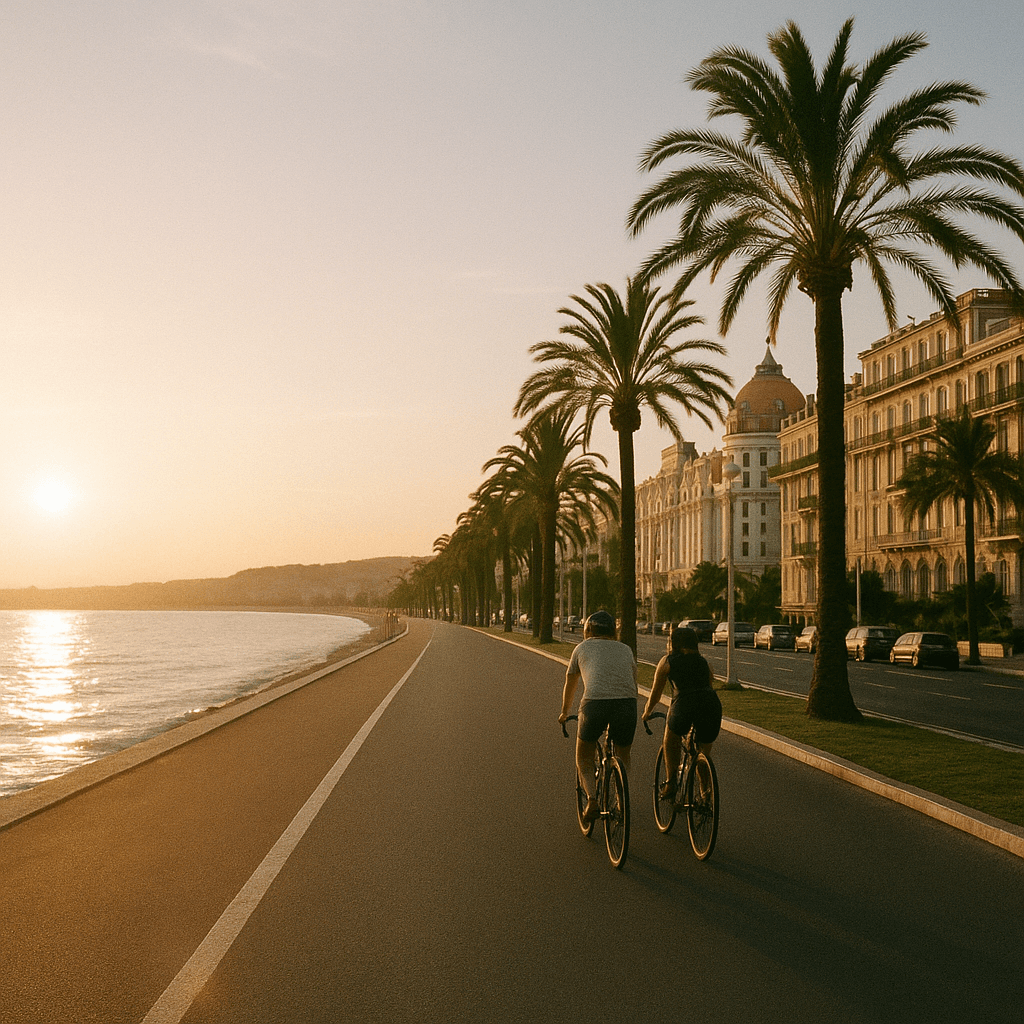
The Scent of the Sea: Nice – Genoa by Bike

 240km
240km
 8 days / 7 nights
Starting from
€1715
per person
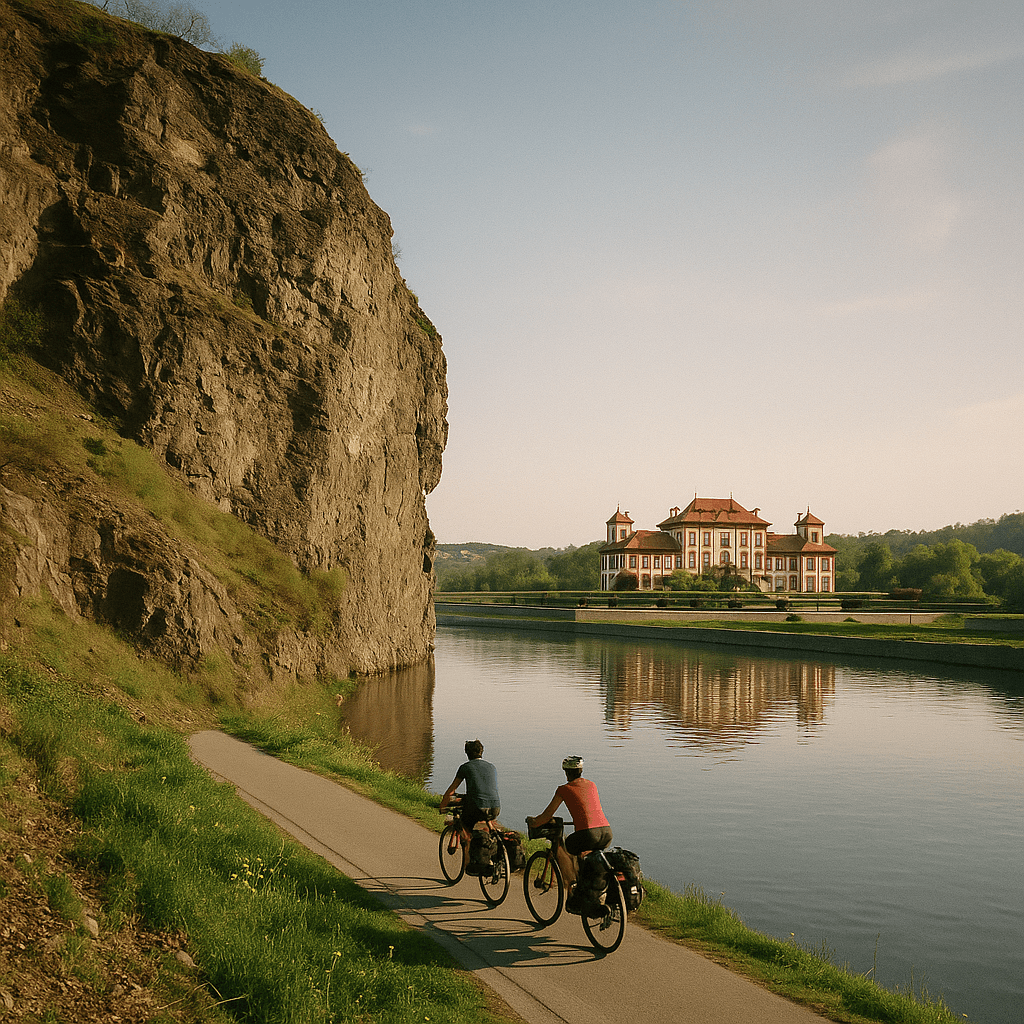
Prague – Berlin Bike Tour
536km
13 days / 12 nights
Starting from
€720
per person
Bike to Coast and the Via Verde of the Trabocchi Coast
161km
6 days / 5 nights
Lifeonabike srl
Your trusted partner for cycling holidays in Europe.
© Lifeonabike 2026 - All rights reserved.
Version 1.32.4
Sign up and receive unique travel offers!
Become part of our community, stay updated on our activities
I want to sign up