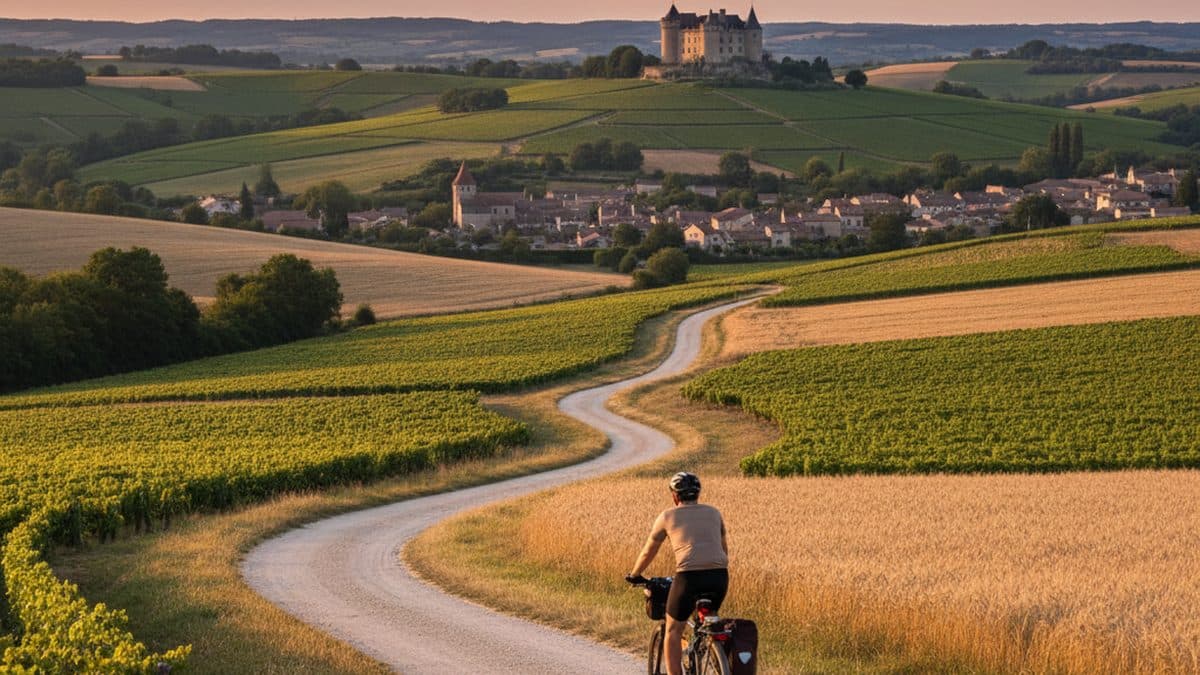
Corsica is not a typical cycling destination. It is a mountainous island in the Mediterranean where coastal roads climb steeply into granite peaks, where the scent of maquis shrubland fills the air on every descent, and where turquoise bays appear around corners you did not know existed. Cycling here is demanding, beautiful, and unlike anything on the French mainland.
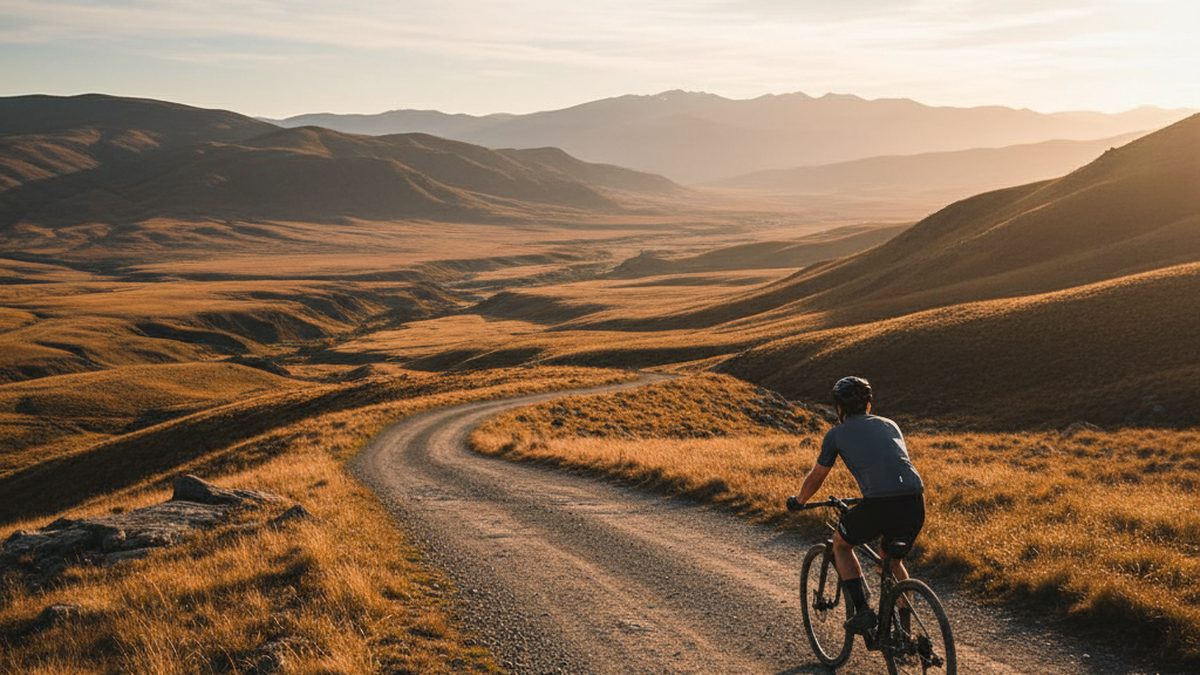
This guide covers everything you need to know before booking a cycling tour in Corsica: the main routes, what the riding is actually like, the best time to visit, and how to prepare for the island's challenging terrain. Corsica is one of many destinations covered by our self-guided cycling tours in France.
What Makes Corsica Different
Corsica is the fourth-largest island in the Mediterranean, but it packs the elevation of the Alps into a space just 183 km long and 83 km wide. The interior rises to 2,706 m at Monte Cinto, and even coastal roads rarely stay flat for long. A ride that looks like a gentle coastal cruise on the map will involve 800 m or more of climbing in a single day.
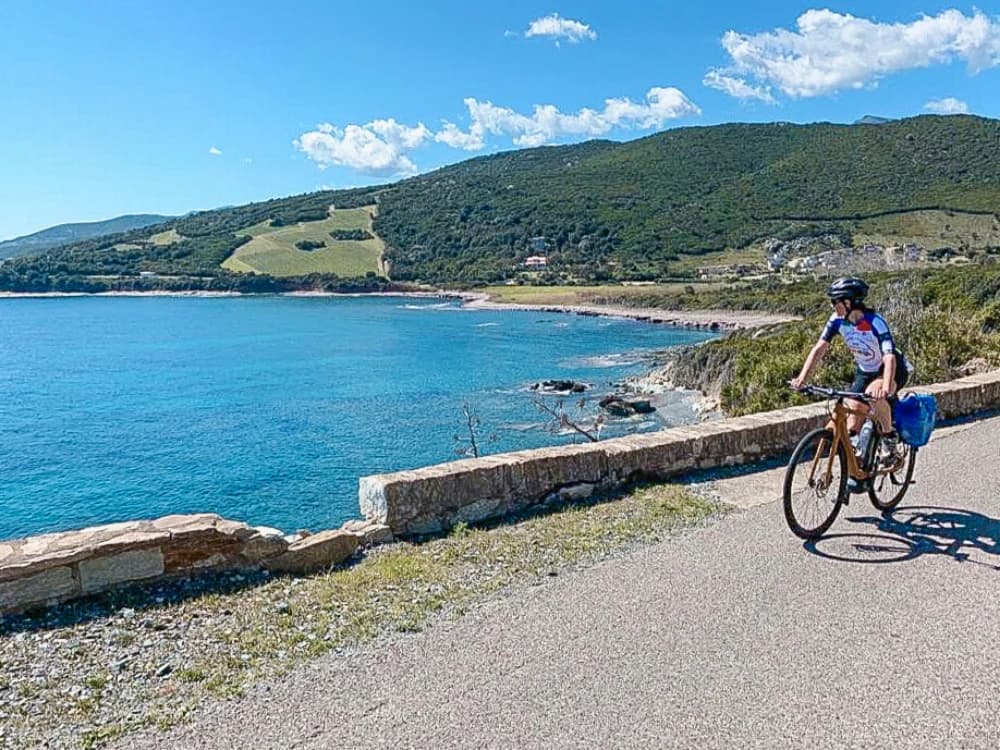
This is what makes Corsica exceptional: the constant interplay between mountains and sea. You climb through chestnut forests and pine groves, reach a col with views stretching to the Italian mainland, then descend to a bay where the water is clear enough to see the seabed from the road. The reward-to-effort ratio is among the highest of any cycling destination in Europe.
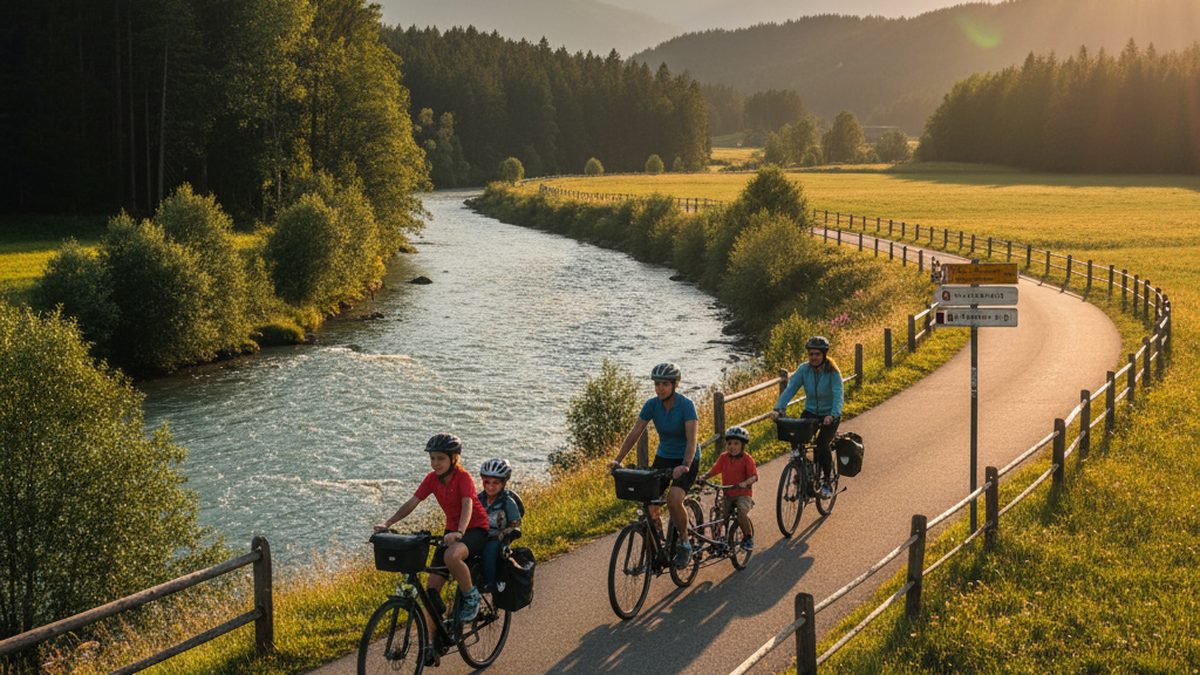
The roads are generally well-maintained, with smooth tarmac and minimal traffic outside the high summer months. Corsica does not have dedicated cycle paths — you ride on public roads — but the low traffic volumes and the quality of the road surfaces make for excellent cycling.
The GT20: Corsica's Signature Cycling Route
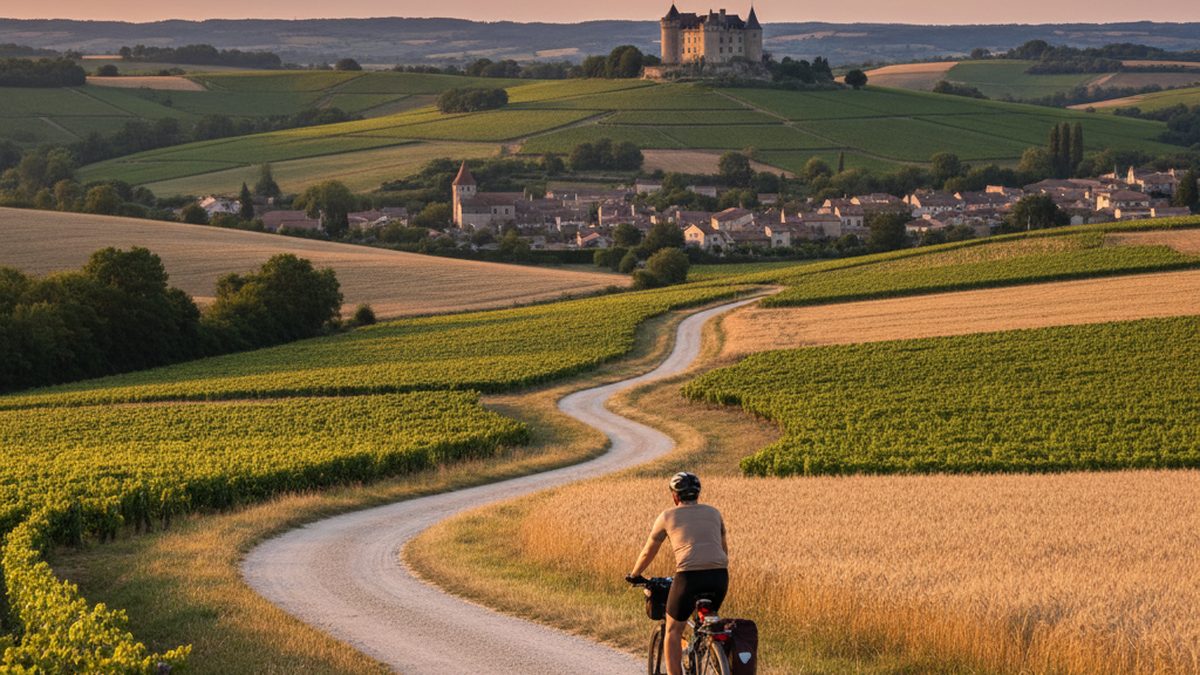
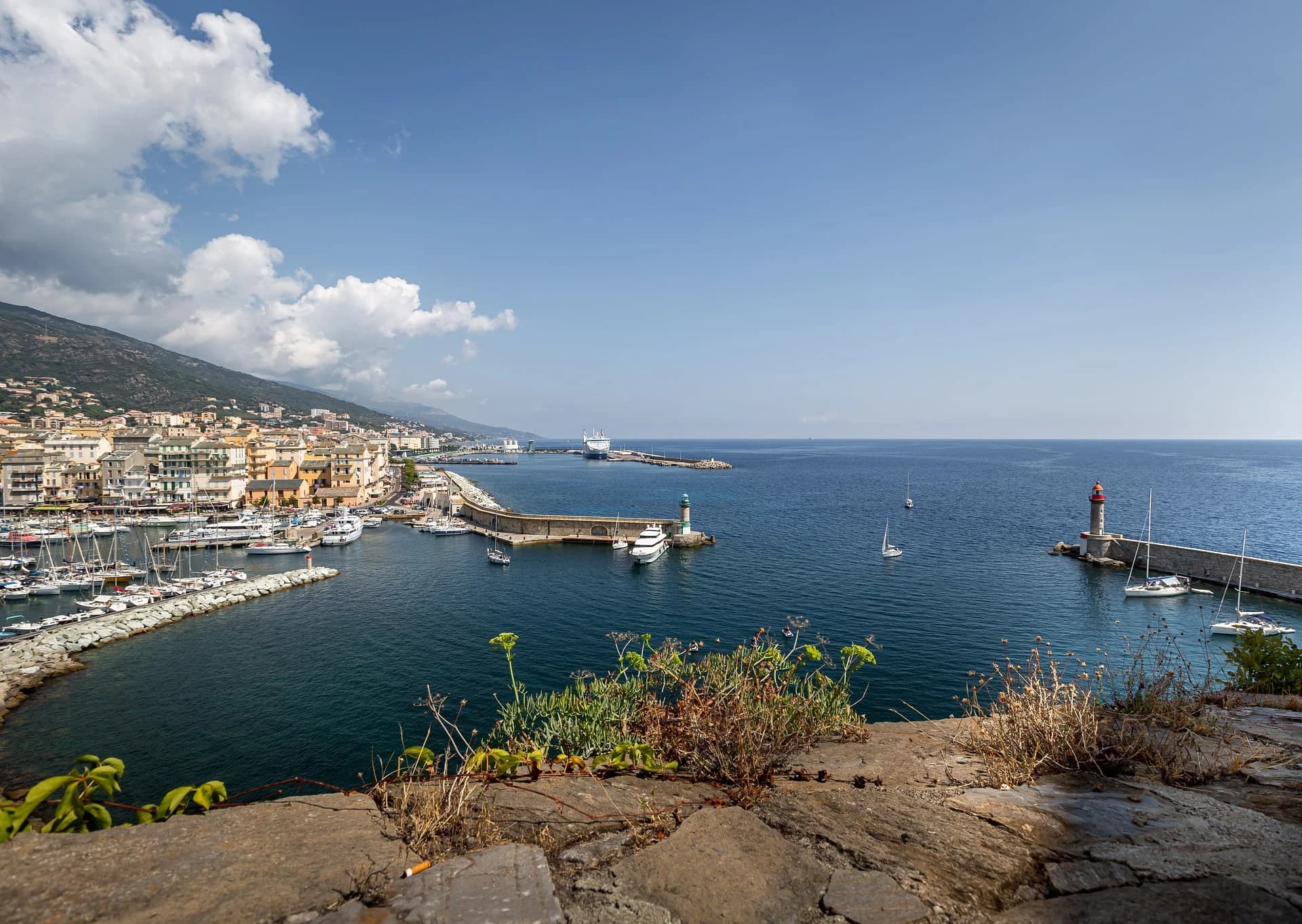
The GT20 (Grande Traversée 20) is Corsica's premier cycling route, running the length of the island from Bastia in the north to Bonifacio in the south. The full route covers approximately 600 km with over 10,000 m of total climbing, typically ridden over 12 to 14 days.
Most touring cyclists ride a section of the GT20 rather than the full route. The North Corsica GT20 from Bastia to Calvi covers the northern section, widely considered the most scenic part of the route. The riding takes you through the Nebbio region, over the mountain passes of the interior, and down to the beautiful bay of Calvi. This section captures the essence of Corsican cycling: challenging climbs, mountain villages, and Mediterranean coastline.
Our Corsica Tours
We offer three Corsica cycling tours, each targeting a different experience and fitness level:
The North Corsica GT20: Bastia to Calvi is the most popular option. It follows the GT20 through the northern mountains, offering a balanced mix of coastal riding and mountain stages. The route is challenging but achievable for fit recreational cyclists, with daily distances of 50 to 70 km and significant climbing.
The Bastia to Ajaccio: Corsica's West Coast is a longer route that traverses the island from east to west coast, following the dramatic western shoreline. The west coast is wilder and less developed than the east, with fewer towns but more dramatic scenery. This route includes some of the steepest climbs on the island.
The Northern Corsica Road Bike Tour is designed for experienced road cyclists who want a more sportive experience. The route explores Cap Corse (the narrow peninsula at the island's northern tip) and the Castagniccia region, with its chestnut forests and remote mountain villages. The climbing on this route is relentless but the roads are extraordinary.
Difficulty and Fitness Requirements
Corsica is not a beginner destination. All three routes involve sustained climbing, sometimes over mountain passes exceeding 1,000 m elevation. A typical day involves 50 to 80 km of riding with 800 to 1,500 m of elevation gain.
To enjoy Corsica comfortably, you should be able to ride 60 km with 1,000 m of climbing in a single day without exhaustion. If you ride regularly and can handle hilly terrain, you will manage. If you are a flat-terrain cyclist who has never tackled serious climbs, Corsica will be a shock.
E-bikes are available on all our Corsica tours, and they transform the experience. With electric assistance, the climbs become manageable for a much wider range of cyclists. If you are uncertain about your fitness, an e-bike is a smart choice — it lets you enjoy the scenery without being destroyed by the gradients.
When to Go
The Corsica cycling season runs from May to October. June and September are the best months: warm temperatures (22–28°C), manageable mountain passes, and fewer tourists than the July–August peak. The sea is warm enough for swimming from June onwards.
July and August are hot (30–35°C at sea level) and busy, especially on the coast. Climbing in the afternoon heat is unpleasant and potentially dangerous. If you must travel in high summer, start early each morning and plan to finish riding by 1 PM.
May and October are cooler and quieter, but mountain passes above 1,200 m may still have cold temperatures or occasional closures. Check conditions with your tour operator before booking a shoulder-season trip.
Getting to Corsica
Corsica has four airports: Bastia, Ajaccio, Calvi, and Figari (near Bonifacio). Seasonal flights connect to Paris, Lyon, Marseille, Nice, and several other European cities. The flight from the French mainland takes about 90 minutes.
Ferry services run from Nice, Toulon, and Marseille to Bastia, Ajaccio, and other Corsican ports. The crossing takes 4 to 12 hours depending on the route and vessel. Ferries are a good option if you want to bring your own bike, as they offer generous luggage allowances.
What to Expect on the Road
Corsican roads are narrow, winding, and often carved into the side of mountains. Guard rails are not always present, and some descents require careful bike handling. The road surfaces are generally good, but fallen rocks and loose gravel can appear on mountain roads, especially after rain.
Traffic is light outside the major towns and the peak summer months. Corsican drivers are accustomed to cyclists and generally patient on mountain roads. The main hazard is tourist traffic in July and August, when rental cars driven by unfamiliar visitors can be unpredictable on narrow mountain roads.
Water refills are important. Mountain stages can have long stretches without villages or fountains. Carry at least two bottles (1.5 litres) on climbing days, and refill at every opportunity. Corsican mountain water from public fountains is excellent.
Food and Accommodation
Corsican cuisine is mountain food with Mediterranean influence: wild boar, chestnut flour preparations, strong sheep cheese (brocciu), and charcuterie cured in mountain air. The wines — particularly the reds from Patrimonio and the whites from Vermentino grapes — are increasingly respected and still underpriced compared to mainland French wines.
Accommodation on our tours ranges from comfortable 2 and 3-star hotels to family-run auberges in mountain villages. In remote areas, options are limited, which is one reason why pre-booked self-guided tours work well in Corsica — finding accommodation on the fly can be difficult in peak season.
Frequently Asked Questions
Is Corsica too hard for average cyclists?
Corsica is challenging, but e-bikes make it accessible to a much wider range of cyclists. With electric assistance, fit recreational cyclists can handle the climbs comfortably. Without an e-bike, you need genuine climbing fitness.
How does Corsica compare to cycling in the Alps?
Corsica has shorter climbs than the major Alpine passes but they are steeper and more frequent. The daily elevation gain is comparable (800–1,500 m), but the coastal setting and Mediterranean climate make the experience very different. The descents to turquoise bays are a reward the Alps cannot match.
Can I swim during a Corsica cycling tour?
Yes. The routes pass near beaches and coves, and the water is warm enough for swimming from June to October. Many cyclists build swimming stops into their afternoon schedule. Your tour notes will identify the best swimming spots along the route.
Is Corsica suitable for road bikes?
Yes. All our Corsica routes are on paved roads. The Northern Corsica Road Bike Tour is specifically designed for road cyclists. Tyre width of 25–28 mm is recommended for comfort on some rougher sections.
Do I need to speak French in Corsica?
Basic French is more useful in Corsica than on the mainland, as English is less widely spoken outside tourist areas. Hotel staff and restaurant owners in tourist zones speak enough English for practical communication. A few Corsican and French phrases go a long way.